There is something about a good sports bra that can really make or break a workout (and a workout outfit). You want to make sure you’re getting enough support, but that it also sits on your body in a way that is comfortable and doesn’t pinch, put pressure, or cut into any parts of chest and back area.
To help you decide on a sports bra this summer, I’ve put together a comprehensive list of the top new sports bras for this summer. They combine support, comfort and (of course) will look cute as part of your next gym fit.
Affiliate Disclosure:Please note that this article contains affiliate links. This means that if you click through the links and make a purchase, I may earn a small commission from that purchase at no extra cost to you. To learn more about affiliate marketing and how I use the income from affiliate inks, check out my affiliate page.
First up is this full support sports bra from Amazon. I am always impressed by how far Amazon’s clothing selection has come from when I first started shopping on Amazon. It is a great place for dupes, and you can typically find colours, sizes and support levels that suit you best.
I also want to mention that for all of the Amazon products, I selected those that are eligible for prime and have 4+ star ratings.
If you’re looking for something a little more stappy, with less coverage, this is a great option for you. I am a smaller chested girl, so I can typically get away with something like this, even on a higher impact day.
If you require more support, this may not be the best choice for high-impact workouts, but could still be great for running errands, your hot-girl-walk or light workouts.
For the last Amazon find, I wanted to share this sports bra because of the materials and the support it offers. For a full coverage sports bra that has breathable materials, this is a great cross-training bra. You could take this on a run, go to a Zumba(TM) class, or wear it to a yoga class where you know you’ll have your head below your hips and the girls need to stay secured.
There are plenty of colour combinations for this bra as well, so I really feel like it is a great all-around sports bra. Plus, it is part of amazon prime, so you’ll get it in time for you next workout!
If you’ve been here before, you know that I love GymShark’s products. I find they offer great style, selection, and colour options for a great price. As I mentioned before, I am not a particularly chesty gal, so going for something like this is an easy option to me because I can wear this to the gym, a class, on a dog walk, or just in my day-to-day life when I don’t feel like wearing a wire bra.
As always, GymShark offers all of their products in great colours, so be sure to check out the page to find a colour that works for you.
This sports bra is hot off the press and part of their new spring-summer 2024 collection. I really wanted to include this one in the article because I felt like the style was fresh. Although they don’t have a ton of colour options, I think it is nice to include a bralette with this cut.
The bralette offers ample coverage, a nice u-shaped cut down to the bust and straps that look like they won’t dig into my shoulders. This is a great all-day wear type of bralette and a solid addition to every gym-girlie’s summer wardrobe.
Now on the flip side of things, this sports bra is great when you’re looking to show off the girls a little more. There is less coverage, but I think the styling of this one is what makes it really stand out.
With slightly thicker straps, you are still getting support from the bra, but you also have a deeper cut neck-line and this sports-bra has more of a bathing suit look to it.
Another great option for a hot-girl walk or a hot yoga class when you want support, and want more skin showing so you don’t overheat.
This is a sports-bra I have had on my radar for quite somet time now. I believe it was released with their late winter, early spring collection and I think the design just makes sense.
When I am doing a higher-intensity workout, even with my smaller chest, I’ll still get sweat in my cleavage. This style of sports bra gives you a deeper neck-line so that girls can breathe, but also a peek-a-boo cutout for extra breathability and ventilation.
Last, but certainly not least, I wanted to make sure i included a sports-bra for my hardcore lifting girlies. GymShark started as a weight-lifting/power-lifiting brand, so if there is one thing they do well, it is making workout clothes for the heavy-lifters of the gym.
Although a basic style, there is something about this that makes me believe that as soon as I have this on, I’ll be able to lift heavier! This is a great addition to your workout wardrobe if you are a power-lifter, or if you simply prefer a more square neckline.
If there is one thing I love in a sports bra, it is a high neckline. This is the first and only high-neckline sports bra in this list because I am also very picky about my high neck-line sports bras.
They have to be built for comfort, or else they can feel like they are riding up to close to my neck. The cut around the shoulder area has to be just right so I don’t feel like I am being squished there and my chest is spilling over, and I also like when there’s breathable mesh included in the design.
I have a Victoria Sport sports bra from ages ago that is the older sister to this design. The fact this ticks all of my high-neck sports bra boxes is great, but what really sold me is the thin back straps. I love showing off my back when I am working out, and sometimes high-neck sports bras will have full coverage on the back as well. That’s fine, but something that shows off the back is always better.
As mentioned in the name of the sports bra, this is a lower support option, but I just love the design of it. It has that ballet dancer look to it, and I just think that is so feminine and pretty in a sports bra. It also have a nice v-neckline so your girls are able to breathe.
Since it is lower support, I would bring this on my hot-girl-walks, and maybe under a light shirt while running errands.
To round out my list of top sports bras for summer, I have one final, full coverage, medium support sports bra. I just think it is crucial to have some high-quality sports bras that are ready for any kind of activity.
I have included quite a few lower support, and low coverage sports bras, so I wanted to make sure I offered one final suggestion for a full coverage sports bra. This also comes in black, but I love this dusty pink colour that a lot of sportswear brands are included in their colourways.
*Notice: This article briefly discusses eating disorders and sexual assault. If you find this content triggering, please consult your loved ones or resources available to you. Sending you love. Affiliate Disclosure:Please note that this article contains affiliate links. This means that if you click through the links and make a purchase, I may earn a small commission from that purchase at no extra cost to you. To learn more about affiliate marketing and how I use the income from affiliate inks, check out my affiliate page.
I find it a little sad that we have vilified fat in our society. Using it as an insult, producing fat-free foods and fat-blasting workouts. The truth is that fat is vital to our survival. Both the fat content in food and the fat cells in our bodies.
In this article I hope to, at the very least, shed a positive light on fat. There’s already too much discourse that makes people feel shame for carrying more fat on their bodies and makes them fear foods that have a high fat content.
For women this is truly disheartening. Let me lay out some facts for you about women’s bodies and our relationship with fat:
Women cannot have low body fat percentage like men. In physique competitions, men can get down to about 4% at their stage weight. If women go below around 12%, we lose our periods and it can impact all of the systems that are tightly linked to our menstrual cycle (which is almost all of them).
The fat deposits in our body all have similar jobs, but they are also all specialized. In Cat Bohannon’s book, Eve, she explains that the fat in our hips and thighs has specialized fatty acids that helps with the development of a baby’s brain. Remove that fat, or deposit fat from other areas of the body and you risk the normal development of the baby’s brain.
She also mentions that it is very common for women who get liposuction surgery to see stubborn fat deposits in their upper arms appear after the surgery.
We have fat for a reason so messing with it, removing in a traumatic way like surgery or desperately trying to avoid having fat on your body will ultimately lead to a body that is trying to find ways to recover the lost contributions of the fat on our body.
Now, before I go any further I do want to acknowledge the very real reality that tipping into morbid obesity, where the body has much more fat than it needs can be lead to cardiovascular complications, impact joint health and lead to serious self-esteem and mental health struggles.
With that, I also want to acknowledge that the world is a really judgemental and sometimes scary place for women. If we were alive during the roman empire, having a voluptuous figure would be deemed a sign of wealth. Marilyn Monroe’s curves added to her appeal, and even today we are being told that a flat stomach but a curvy, BBL bum is the ideal body.
All of these mixed messages and moving targets can impact women’s mental health and lead to mental health disorders like Anoriexia, Bulimia, Orthorexia, and Binge Eating Disorder. I am also keenly aware that some women’s bodies will create a suit of armour of fat after experiencing sexual trauma. So we can never judge someone for having very little fat on their body or having more fat on their body. If you are struggling with an eating disorder or are in crisis, please consult the resources here (ED) and here (SA).
Fat’s Jobs: A Review
One of the reasons I get my knickers in a knot when people are hating on the fat on their body or the fat in foods is that fat has so many important jobs in the body. For starters, fat in food is the most calorically dense macronutrient in our diets. Carbohydrates and proteins offer us ~4kcals/g, whereas fats offer us 9kcals/g.
That’s twice as much energy for the same amount of food. When our ancestors were roaming the plains and desolate landscapes of the past, finding something with a high fat content meant requiring less of that meal to gain the same amount of energy. This is crucial for survival, and is likely why we have systems that depend on fat.
Fat in food also provides flavour. Flavour is crucial for the more modern experience of eating. Having something that tastes good can impact how satisfied we feel after a meal. More importantly, when we remove fats, we have to substitute the flavour with the next biggest provider or flavour – sugar and fat.
I will always live in a low-level-burning disdain for the famous harvard research paper that was published and paid for by the sugar industry that vilified fat in the 80’s. This led to the removal of fats from all products, meaning sugars, sugar alcohols, and modified fats had to step in to make sure food still tasted good. Which ultimately led us to the obesity epidemic of the 21st century.
Job 1: Vitamin Absorption
As briefly mentioned before, consuming adequate fat in our diet is important for difference processes in our bodies. Most importantly, fat is required for the absorption of key vitamins. Vitamins A,D,E,K (I remember by just thinking ADEK) all require the precense of fat in order to be absorbed into the body. Without fat, you cannot absorb these vital vitamins.
I find it helps to understand just how important a vitamin is by looking at what a deficiency in that vitamin leads to. So let’s review those:
Vitamin A Deficiency
The cleveland clinic lists the following as symptoms of vitamin A deficiency
As you can see, by not having enough vitamin A in your diet, you can have issue with eyesight, your skin (the largest organ of the body), fertility, and your immune system! So not only should you make sure you have adequate vitamin A in your diet, but make sure you are consuming those sources with a high quality fat source. My personal recommendation is always liver pate. It has a natural high fat content and is one of the best sources for available vitamin A.
Vitamin D Deficiency
If you aren’t on the vitamin D train, then you may be one of the fortunate people who live somewhere that sees the sun year round. As a northerner, vitamin D supplementing is crucial. Our bodies will naturally produce vitamin D when exposed to the sun. In the summer, a few minutes in the sun can produce enough vitamin D to keep our bodies healthy for weeks (depending on melanin content in your skin).
Vitamin D is so important is exists in a very special vitamin/hormone category. It impacts so many systems in the body that scientists recently gave it the hormonal classification to highlight just how important this vitamin is in maintaining a healthy body.
With so many jobs, you can imagine the symptoms of vitamin D deficiency are serious. Yale Medicine lists the following as symptoms of vitamin D deficiency:
Essentially the body starts to break down, makes you very fragile and potentially immobile. So again, make sure you are consuming high enough quantities of fat to be able to absorb vitamin D supplements. And if supplementing isn’t you thing but you also live in the north like me, don’t worry. Nature always takes care of us! You can find high quantities of bio-available vitamin D in fatty fish like salmon, mackerel, and sardines (are we surprised it exists in fatty fish – no).
Vitamin E Deficiency
Truthfully, I don’t think about vitamin E all that often. Unless I have an cut or something that needs to be healed, I don’t think about vitamin E, but that doesn’t negate it’s importance in our body. In fact vitamin E is an important vitamin for our immune system, which is a world that is increasingly exposed to viruses and a more toxic environment, having a strong immune system is crucial.
Medical News Today lists the following as symptoms of vitamin E deficiency:
The thing that really sticks our here, besides the impacts on the immune system, is the impact to our central nervous system. Our central nervous system is the operating hub of the body. Nothing happens without the central nervous system’s input, so it is always important to protect this at all costs.
To consume both adequate, health fats and vitamin E, add more of the following to your diet:
avocados
peanuts and peanut butter
almonds and almond butter
sunflower seeds and sunflower oil
and wheat germ oil
I hope you are seeing the trend that the foods with the highest content of these fat soluble vitamins are also natural sources of healthy fats. Funny how nature works like that ;)
Vitamin K Deficiency
Vitamin K is similar to vitamin E in that I don’t think about it all that often, but it is quietly doing it’s very important job and keeping me alive everyday. One of it’s most important jobs in the body is to help blood clot. Without sufficient vitamin K, we would simply bleed our every time we got a cut. For women, this is exceptionally important as we have our menses.
When we are deficient in vitamin K, the symptoms include loss in bone density, leading to risk of osteoporosis, bleeding disorders, and risk for cardiovascular disease.
Vitamin K is one of the vitamins in the fat-soluble vitamin category that is actually found in its highest concentrations in plant foods. Foods like kale (443% daily value/half-cup), mustard greens (346% daily value/half-cup) and Swiss chard (332% daily value/1 raw leaf) provide more than enough vitamin K in reasonable quantities. You can also find it in beef liver, pork chops and hard cheeses, but it will require more than 200g of each to achieve your daily recommended value of vitamin K. With that said, all of the plant-based sources are typically prepared with some form of oil or paired with a high-fat meat or nut to ensure you have enough fat to absorb the vitamin K.
Job 2: Insulation
Humans are warm-blooded mammals, meaning our blood and internal temperatures are kept warm by a myriad of processes and must be kept within a very specific temperature range in order to keep things hunky-dory. And that range is incredibly delicate. An internal body temperature of 36.1 degrees celsius (97F) to 37.2 degrees celsius (99F) is considered healthy.
When we get a fever, our body has increased the temperature to make the body a more hostile environment for whatever virus or pathogen has invaded the body. The higher temperature is meant to kill the pathogen, but also makes us feel pretty awful.
Our body temperature dropping below the normal level is also dangerous. Hypothermia is a prime example of what happens to the body when the core temperature drops below our normal set temperatures. Organs begin to fail and the body just simply cannot function properly, and it could lead to death.
Think about the other mammals that live in cold climates. Polar bears, beluga whales, and penguins. They require a thick layer of fat to survive those frigid temperatures. Our bodies also adapted to store fat on our bodies to ensure we remained insulated during the colder months.
I will write a completely separate blog about working with your ancestry to achieve optimal health, but this is a good moment to dip our toes into that world. If your ancestors evolved in the northern or deep southern hemisphere (more southern Argentina, than Australia), then your body is likely very good at storing fat.
Using myself as an example, my lineage is full of Irish potato farmers, Norwegian vikings, with some german and dutch influences. My ancestors would have had to endure cold, darker months and therefore adapted to store fat efficiently. This is why I feel like I can eat a cookie and see the difference on my body, whereas my friends with a Mediterranean background, and therefore from warmer climates, can consume breads and high fat foods and maintain a lean figure.
Our genetics are just different, and that’s beautiful.
Fat is not a good conductor of heat, so all of the heat that in primarily carried through the bloodstream is insulated by the fat tissue that we develop just below the skin. It is important and plays a very important role in keeping us healthy. This is why we must always maintain some amount of fat on our bodies to be healthy.
I use this understanding of fat as an insulator to guide my nutrition and training choices during the colder months of the year. Understanding that I have more fat on my body, I also know that I have this extra layer of stored energy on my body, ready to be used towards higher intensity workouts. Which is a perfect segue for the fat’s 3rd job!
Job 3: Energy Storage
As I mentioned previously, when we consume foods high in fat, every gram of fat in that food provides us with 9 kcals (Calories). Calories are simply a measure of energy, and so by having fat on our bodies we have stores of fat just waiting to be used in times of food scarcity.
In today’s day and age, and in the western world, food scarcity is found in low income zones. But the majority of us have ample access to food, which is why having extra fat on our body feels like a bad thing.
We have all of this stored energy on our bodies from overconsumption, and we’ve created environments that make our bodies go into energy-storing mode, so it becomes very difficult to shed unwanted pounds. Again, our bodies are operating on an ancient operating system. So if we give it extra calories it is storing those calories in anticipation of food scarcity. Our body will also store fat when it is under stress as the energy stored in our fat deposits can also store other helpful hormones that would have helped us fight or flee from ancient threats.
We are in a vicious cycle at the moment, and unfortunately living in a capitalist society means that we will continue to be marketed to and will have our ancient drive to eat used against us to put money into the pockets of food manufacturing companies.
Again, I could go deeper into this but I’ll move on and get back to the positive side of this – which is the fact that our body is great and “saving some for later”.
As I mentioned before, I know that in the winter time, given my genetics and the environment I live in, my body is going to naturally store more fat. I could eat the same diet, but because my body has the signal of colder weather and likely less physical activity because of the colder weather (fewer hot girl walks in the winter), my body is going to make sure more of the energy from the food I consume is store away in fat tissue to make sure I have enough energy to survive the winter.
In the past the winter would have also been a time of scarce food sources, so this natural response to store energy is another example of how our bodies take such good care of us. I always try to make sure I show my body gratitude for continuing to support me and take care of me without me trying.
All this in mind, with more energy stored in my body, I can apply this to my modern life. In the winter time I always like to switch into a strength and hypertrophy program. As I mentioned in this article, strength training requires a lot of energy because you are not only drawing on energy resources in the muscles, but also from the brain as well. So when I am doing my fasted strength workouts in the mornings, I know that my body has the resources to support the workout because my body has stored yesterday’s meals in fat tissue.
Maybe it is because I am such a lover of the human body, but I am getting emotional writing this and hopefully helps drive home the whole point of this article, which is to make sure you understand that fat is important.
On the flip side of this, in the summertime, my body is naturally going to not hold onto as much fat. There is no need to insulate since the temperatures are much higher here in the summertime. So I find myself doing more cardio and HIIT style workouts that still draw on fat storage, but are using leftover calories from yesterday’s dinner to power the workouts. I will also be more inclined to have a small snack before the gym in the summer because there’s less fat to draw on for energy.
Job 4: Hormone Production and Hunger Regulation
For the fourth and final job of the fat on your body, I want to make sure this is framed properly. I have mentioned before that in the western world we live in a society that is constantly marketing crave-able foods to us and has created an environment that is very high stress. Both of these factors have led to a society where we are ignoring satiety signals from our body and are also coping with stress by eating more.
I feel the need to mention this because you may not believe that fat actually produces a hormone called leptin, which, when normally circulating the body, tells the brain that we are full. We are satiated when enough leptin circulates the body. It’s job is to tell the brain “that’s enough” which, under normal circumstances, should make us want to stop eating.
In a normal world, where our only stressors were social and when we came across a bear in the woods, this hormone would operate as expected. However in our world, where marketing messages of “treat yourself” and “you’re not you when you’re hungry” are constantly bombarding us, it has become incredibly common to be leptin resistant.
Leptin resistance is when our brains just simply decide to ignore leptin trying to tell us that we are full and it is time to stop eating. There are programs supported by registered dieticians to help with leptin resistance, but untreated, this can lead to metabolic disorders and obesity.
The final job of our fat is to help us control our hunger and food intake, and yet we’ve created a society that has made this job null and void and has resulted in harmful levels of fat on that body. Fat that cannot do it’s job’s as nature intended.
I don’t want to write this final section to make you feel helpless. In fact, I hope this helps you feel more empowered (knowledge is power!). If you can understand that companies are trying to make money from you buying their high sugar/high salt/high processed fat foods, knowing that your brain will crave more of it, you can start to make informed choices about the food you consume and help your body return to it’s normal levels of fat and responding to leptin again.
I hope that this article has helped de-vilify fat. It has so many important, life saving jobs and so to write it off as the ultimate evil is to miss out on all of the benefits it provides you with as well. If you have any questions or comments about this, please leave them in the comment section below.
Summer is finally here in the northern hemisphere and that means hot-girl-walks are back and we need to update our workout wardrobe ladies! Cute shorts, tennis skorts, and colourful tops are back in! Here’s my list of the best summer 2024 workout gear for women.
Affiliate Disclosure:Please note that this article contains affiliate links. This means that if you click through the links and make a purchase, I may earn a small commission from that purchase at no extra cost to you. To learn more about affiliate marketing and how I use the income from affiliate inks, check out my affiliate page.
There you have it! A great selection of staple, cute, feminine workout clothes and shoes to help you accompish your fitness goals in style this summer! Which one is your favourite?
If you search for a workout program on Pinterest or most health and wellness websites, you’ll typically get an arbitrary number of reps between 8-12. Although this rep range can be great for beginners, there is no explanation as to why that is a good rep range for beginners. In this article I will help you answer not only why 8-12 is a good rep range, but how to choose the right number of reps for your specific fitness goals.
Let’s Talk About Action and Reaction
You may remember from high school science class that for every action, there is an equal and opposite reaction. We also know that all actions have consequences, and that you get what you give.
Exercise is one of the forms of stimuli that you can impose on your body’s systems. How you act will elicit a specific reaction from the body, and that certain reaction will eventually lead to a certain adaptation.
When it comes to choosing your rep ranges, you are tapping into this inevitable sequence of events, which is why it is so important to know how certain rep ranges will cause your body to react and the type of long-term adaptation you will gain from the rep ranges.
An Endurance Athlete looks Very Different from a Powerlifter
If you think about a marathon runner, you can imagine what their body looks like. They are very lean, with long, slim muscles. Their body is built for efficiency so they can run for hours. On the flip side, if you think of the world’s strongest men competition, where they lift a very heavy weight for 1 rep, you’ll see a very different body type. They are maxed out on muscle mass because they need as much muscle as possible to maximize their strength potential.
This is what I always think of when I am thinking about my fitness goals. Do I want a leaner look and to be able to do something for an extended period of time, like running or swimming? Or, am I trying to max out my PRs and build a more toned figure? Choosing ther right number of reps will help me achieve both, and believe it or not, your body is capable of both.
There is more advanced science about fast and slow twitch muscle fibers that people believe pre-determines what training style you should do, but I am also a firm believer in the fact that human bodies have been adapting and evolving with stimuli in their environment for millenia. So nothing is out of reach.
1-6 Rep Range: Strength and Power
In a previous article on why rest is important I talked about how long you rest between exercises impact the results you will get from your workout. How many reps you do during your exercise is the second piece of this puzzle, which is why I am starting at the lowest amount.
Remember the strongest men competition I mentioned earlier? This is their training sweet spot. To only be doing 1-6 reps, you are only able to do 1-6 reps. If you can do more than 6, you aren’t lifting heavily enough.
The point of low reps is to give it everything you have got. Use up as much of our musculature as possible to lift the heavy weight and build muscular strength that is supported by a nervous system that knows how to activate all of your muscle fibers.
The reason people who train at these rep range end up with more muscle mass, despite doing fewer reps, is because their body needs to develop more musculature in order to have more muscle fibers to activate, and therefore be able to lift heavier weight.
It is also important to note that to support this style of training and the immense amout of muscle tissue breakdown, you’ll need to be eating a lot of protein to help with rebuilding the muscles. All other macros are important, but protein is really important here.
7-12 Rep Range: Hypertrophy
This is the classic rep range that you will see in most articles. It isn’t so few reps that don’t feel like you’re doing anything, but it also isn’t too many reps that you either get bored or risk injuring yourself if you chose too of a heavy weight.
Hypertrophy simply means muscle growth. In fact it refers to the “bulking” of all organ tissue. Some of you may be familiar with the opposite – to atrophy – or lose mass. Going back to that same article on rest, in this the rep range associated with hypertrophy, we are trying to break down the muscle. Because in the body, what is broken down must be rebuilt. And not only does the body rebuild, but it rebuilds stronger so that it is better prepared for the next time it has to do this exercise.
This is why this rep range is so perfect for a generic workout program. The first workout may feel really tough, but the next time you go to workout, it will feel easier. You get much faster adaptation and gratification from these types of workouts.
As mentioned, these workouts are also great for “toning” the body. Toning comes from muscle tonus, which is a muscles resistance to stretching, and therefore it’s ability to stay in a semi-flexed position.
Hypertrophy is great for this because it builds up the muscle, and as mentioned, keeps the muscles ready to work, which increases their tonus and maintains the flexed or slightly pumped look.
So if you are looking for a body type similar to a mid-distance runner, and want that all-around muscular but not “too bulky” look, this is the rep range for you. The most important thing to keep in mind is that you must continue to push yourself. Either shorten your rest periods, change up the equipment, or change up the tempo to make sure your body is always being challenged within this rep range.
13 Reps or More: Endurance
I often find this rep range is reserved for crazy bootcamp classes or is altogether forgotten. This is such an important rep range for people who are looking to build endurance in their body. If you’re a waitress who holds a tray above her head for long periods of time, multiple times throughout your shift, you should consider endurance training. If you are a mail delivery person, it is important to incorporate this type of training so that you don’t get tired walking around all day at your job.
Any situation in life where you are doing something repeatedly or for a long period of time can benefit from endurance training. And in order to train for endurance, you must have high reps and very minimal rest periods.
I can remember when I was training for a half-marathon in the summer of 2016, I used an app to help me train. It had some workouts that were just run as far as you can without stopping, then it had run for a long period of time, with a short break, and then run and walk intervals for a long period of time. Each of these are great examples of how you can train for endurance.
If you want to switch that for something that isn’t traditionally linked to endurance like running, you can apply the same set and rep principles to a weighted exercise. So the run for as long as possible without stopping would be like setting a timer for X min (ideally long enough to complete 15+ reps) and repeating the exercise as many times as you can within that time range. Running for a long time and taking a short break is the standard workout model of doing 15 reps and then taking a 30s rest before doing another set of 15 reps. And the final example has you lifting the weight for 1 min, then resting for 1 minute, and repeating this for 10+ minutes.
In this style of training you are telling your body that it has to be ready to do this movement over and over again, while also continuing to keep you alive and do all of the other activities that fill your day. Your body responds to this by making the muscles efficient and lightweight, so that when you aren’t working out, it doesn’t have to give a lot of resources to maintain that muscle mass. It has just enough to get the workout done, but you also have enough energy for everything else in your life.
For this type of exercise is important to prioritize carbohydrates before your workouts. As mentioned, your body is going to keep the body lean, which means it won’t have the same type of overstock of energy and resources available to you when it comes time to workout. So be sure to have something higher in carbohydrates as you get deeper into this type of training so that your body has the energy it needs to sustain you. All other macros are important, but you definitely want to make sure you add an extra serving of fruits, veggies and potatoes to your pre-workout meal.
I hope this has helped to inform you and make you feel more confident about picking a rep range for your next workout that will help you achieve your specific fitness goals. If you have any questions, please feel free to leave them in the comments.
One of the top takeaways from my time at school studying fitness and health promotion was the importance of rest. I had heard for years that it was important to rest, but I never had the scientific explanation for rest that would really help me understand why rest is so important.
After visiting my sister and her boyfriend a while back, he sort of scoffed at the fact that I pay attention to rest times in my workout programs. I write them into the workout program and anyone who I have ever created a workout program for will have seen that rest is always included in the program.
This goes beyond taking a rest day as well. This is about scheduling in rest into your workouts and using it to help you achieve your desired training goal.
Prilepin’s Chart
I was fortunate enough to have a few highly experienced power-lifting coaches as professors in college and one of them introduced us to Prilepin’s Chart:
Percent is the % of your 1 rep max, something that you can calculate fairly easily with online calculators. Reps/sets is reps per set. Optimal is the optimal volume of reps (ie. the total number of reps across all sets). And then the total range is the range of reps you can aim for within that % of 1RM.
With this, I was then able to apply my workout goal, the reps and weight (% of 1RM) and understand what the optimal rest time was to achieve my goals:
Why does rest time increase when reps/set decrease?
This is a great question, I am so glad I asked it as it is the main reason why I think rest is such an important element of a training program.
As you can see above, there are different fitness goals.
Muscular Endurance
Muscular endurance training will help you be able to repeat the same movement for many reps on end with very little rest. Think marathon running or cycling. Your legs are doing the same movement over and over again, pushing the same weight over a long period of time with little to no rest.
If you want a marathoner body type, this training goal is the one for you. By not giving your body a lot of time to rest, you train the muscles to endure the exercise for a long time. The best way to endure something for a long time is to make sure you aren’t carrying any extra bulk on your body. So your muscles lean out and get light and efficient.
Hypertrophy (muscle mass)
Hypertrophy (muscle mass) training will help you fill out and build up muscle size. What you’re doing with this training is lifting a higher amount of weight, but just enough so you can do enough reps to break down the muscle tissue. That might sound scary, but it is completely natural.
All forms of weight training will break down muscle, and it is the amount of muscle breakdown that actually determines how much size you can put on.
The reason the rest period for this type of training is a little longer than endurance training is because you want to give enough time for the muscles to replenish some of their resources before you complete another set.
Within that 30-90 seconds, depending on how quickly you recover and your fitness level, your body is going to quickly restock it’s fuel sources so you can push those slightly heavier weights again, despite causing some muscle breakdown. You need that rest to be able to do 3-6 sets of a heaver weight for 10+ reps.
Strength Training
Strength is really my favourite type of training. It brings together all aspects of how the body adapts to different stimulus we put on the body and takes practice and an attention to detail that is not necessarily needed in the other previous training goals. The reason rest is so long is because strength requires maximum brain power.
Your muscles contract when motor neurons (nerve cells that send and receive messages from the brain) tell them to contract. The body is always trying to conserve energy, especially brain resources, so for lighter weights, the brain will only activate some of the motor neurons. It takes some brain energy, but not a lot.
But for strength training, when you are lifting over 85% of your 1 rep max, your brain is having to activate many more motor neurons to ensure as much of the muscle as possible is contracting to move that heavy weight. This is also why we can only perform strength exercises for a few reps.
You’re not only using all of the resources within the muscle, but you are also drawing on a lot of brain power. Which is why we need to take longer breaks. In that longer rest time your brain is restocking resources, the muscles are getting a chance to rest and recover before you perform another heavy set.
If you want to get stronger – ie. move more, lift more, push more weight in an efficient manner, strength training with appropriate rest times is crucial.
Power
And finally power. Power training or power lifting is what you see in competitions. The very muscular, incredibly fit individuals look this way because they have built up their muscle mass as much as possible so there is more muscle that can be trained to be strong.
The final piece is the explosive nature of power lifting. They are not just moving a heavy weight, but they are also moving it quickly. This explosiveness requires elasticity of the muscles and tendons, mobility to protect the body from injury, and massive amounts of strength.
This is why you train in the 80-90% range for power. The point is to move a heavy weight quickly, not necessarily lift heavier. When you max out at a certain weight, you increase your strength training and then come back to power training.
In the same way that strength training requires a longer rest period to help the muscles and brain recover, power training also requires a longer rest period to allow all systems to recover and restore resources to you can perform the exercise with the same speed and technique as the first time.
If you want to achieve a specific training goal, think about where rest fits into your program
I hope I have made it abundantly clear that rest is the secret sauce to a great training program. You can do any exercise you like, for as many reps you like with whatever weight you like, but your rest period will be the final determining factor of what types of results you get from training.
For example, I share in my workout routine blog that I am doing lower reps, mid range sets and heavier weights for my compound movements like the deadlift and my back exercises. In that program, I have scheduled in 2 minutes of rest as I am at the higher end of the rep range (5).
The result? My warm-up set for my deadlifts has gone from 45lbs to 115lbs in a matter of weeks. I can do 135lbs (2 45lbs plates) for 8 reps, and I can do 2 sets of 165lbs for 3 reps.
This is a major accomplishment. When I came out of the pandemic, I found just lifting the bar was tough. 135lbs would be my workout weight and I would only be able to do 5 reps. I’ve been able to achieve this in 3 weeks of approaching my deadlift workouts using Prilepin’s table and proper rest periods.
One of the best feelings is getting into the swing of a strength routine and showing up to a heavy deadlift day where you’ll be hitting a new personal best and knowing that your body is ready for it. I feel confident going into my strength workouts because I know that I’ve been using all of the resources at my disposal to train for my goal of strength.
Rest is the secret sauce and now you have it! Happy lifting, ladies!
After seeing Brie Larson at the SAG-AFTRA awards earlier this year where she was looking in tip-top shape in a beautiful pink gown, I felt re-inspired to try a structured program at the gym. For months I had just been going in following my old routine very loosely (squat, bench, back, deadlift), but I knew I needed to switch things up and light a fire under my current program.
The image in question. How could you not be inspired by this image?!
So I did as anyone would do and google Brie Larson workout program. There were tons of options to choose from and it was tricky to decipher which site could be trusted to have the inside scoop on her program.
In my work as an affiliate manager, I became familiar with a number of major publishers in the fitness space, and found a link to setforset article that said they had the Brie Larson’s workout program. They had previously been a trustworthy publisher so I clicked through and read their breakdown of her program.
The website even said it was fact checked, so I thought I was in for the real deal. They had plenty of video embeds of interviews and segments she had done with other magazines that showed her living her life and what her training program looked like.
So I trusted the program they had and copied it into an excel spreadsheet to try it out the next day.
I realized pretty quickly that this program was definitely not Brie Larson’s workout program. If you want to know when a program was put together by a likely young, inexperienced trainer who has never had to build a woman’s body to look strong, but still feminine, look for shoulder shrugs.
Not the shoulder shrugs…
In all my years as a personal trainer, as someone who regularly works out, and as my friend’s go-to person to ask questions about training – no one has ever wanted big traps. If you don’t know, traps are the muscles behind your neck between your shoulders.
If you’re anything like me, working a desk job and carrying every day life stress, these muscles are probably already more developed than you’d like. So adding in shoulder shrugs is only meant to build up those muscles even more. Additionally there is no functional benefit that is worth adding shoulder shrugs to a woman’s workout program.
If you look at pictures of Brie Larson, you can see she has a balance upper body, and no overdeveloped trap muscles.
Even the most intense programs are balanced
I don’t care if you are training to be a Marvel superhero or training for your best friends wedding, a well designed workout program will always be balanced. You simply cannot sustain an imbalance program.
Let’s analyze one of the workout days to give you a better idea of what I mean by a balanced program and how this one was very poorly balanced and clearly made by a young guy sharing his favourite workout program and calling it Brie Larson’s:
Exercise
Sets
Reps
Push Ups
3
20
Overhead Barbell Military Press
5
12, 10, 8, 5, 3
Front Raises
3
10
Dumbbell Shrugs
3
10
Dumbbell Power Clean
3
10
Dumbbell Snatches
3
10
Shoulder Flyes
3
10
(Day 1 from the SetForSet article)
Let’s start with 20 push-ups to start off the program. Now they do mention that this workout program is not for the faint of heart, but 3 sets of 20 push-ups is a lot to start a workout with. There was also no mention of rest.
I actually went through this workout program, and as I mentioned, I had been training prior to this and consider myself in good shape, but I have never been in more pain after a workout than I was after this workout.
Once you’ve finished 60 total pushups, they want you to somehow move on to a very shoulder-heavy workout program.
Personally, I would never schedule so many shoulder exercises. Your shoulder muscles are not a very large muscle group. They are also highly susceptible to injury, so you have to be so careful with shoulder exercises. Shoulders are typically an accessory exercise at the end of my back day and I am so careful to keep the weights manageable so I avoid injury.
This workout just absolutely slams your shoulders. Not to mention that 2 days later they have you doing a heavy chest day. With sore shoulders, that chest workout is actually more dangerous than it is worth.
And of course, this is a 5-day program. I believe that Brie Larson would likely be working out 5 days a week to stay in shape, but not with this type of program. If you’d like to see how I am currently structuring my 4-day workout program, you can check out my current workout routine here.
The problem with trainers who build programs they would do, instead of that fit their client’s needs
I just want to be able to vent about this because it highlights a problem that I ran into a lot when I was working as a personal trainer and having mainly female clients. It doesn’t take too many female clients to learn that there are specific areas of a woman’s body that a woman wants to define with exercise, and other areas where they really don’t want to get “bulky”.
I am not saying that young men can’t train women, but I would caution you to make sure you are clear with your trainer what you are hoping to achieve from your workout program. Let them know exactly where you’re at in terms of experience, if you have any aches and pains doing certain exercises, and what areas you would like to define, and which you would not.
A good trainer will take all of this into consideration and design a program that is correct for your needs and not just give you a program that they would do and then maybe lower the weights for you.
So here is a slightly less formal blog, but one that I (clearly) feel very passionate about. Let me know in the comments if you’ve ever had sketchy training programs or were prescribed an exercise that made no sense for your goals.
The hip thrust is a very popular exercise. It is tough to go online or into a gym and not see someone doing a hip thrust. And hey, I get it! When I was in college studying to become a personal trainer, we were shown a study that showed that the hip thrust is the exercise that gets you the most muscle activation from your glutes (the group of muscles that make up the bootay).
This makes sense when you really think about it as well – you get maximum extension, or lengthening, of the muscles, which leads to maximum contraction, or shortening, of the muscles. You get the full scope of contraction, which is great for building muscles.
But only if you do it right.
Which is what brings me to why I wanted to write this article. My best friend, an icon, a legend, I love her, but I digress – is back in the gym building the revenge body for the gods. So when she sent me a text asking me why her lower back was hurting while doing a hip thrust, I knew that there would be a lot of other women out there who were in the same situation.
So to help you build the booty of your dreams, without the back ache, here’s a step-by-step article that breaks down how to do a hip thrust.
What to Think About When Performing This Exercise
Something that I found really helped me improve my technique when I started studying anatomy and lifting weights was to really connect my mind to the area of the body I was training.
In a hip thrust, the target muscles in your glutes, however you also want to think about keeping your core engaged and driving the weight starting in the midfoot/heels. I think about what angle my knees should be to make sure I am not risking injury in my knees, but also make sure my hamstring don’t take over the movement.
Maybe this is because I am an overthinker, but for these large, compound movements, I would love it if you go into the habit of thinking about your technique and what muscles you should and should not feel.
You can see in the image about that they highlight the glutes, but also almost all of the major muscles in the thighs. Which leads me nicely into the technique breakdown of this movement.
Hip Thrust Technique Breakdown
I am going to break this down into numbers steps based on how I set up for the exercise, how it starts, and how it ends. Please note that I am explaining the technique as if I was doing the exercise with a bench and barbell as my weight.
Sit in front of a bench that is secured to the floor, or pushed up against a wall.
Line up the edge of the bench with the middle of your shoulder blade. If you lift your arms like you are doing the chicken dance, the edge of the bench should be aligned with the corner of your armpit.
(Safely) grab the weight and lay it evenly at the crease of your hips, below the below and above the thighs. You do not want the bar sitting on the hip bones, but just below them.
Walk out your feet so that when you push your bum off the floor, your knees create an angle that is just slightly bigger than 90 degrees (right angle). Your feet should be planted just outside of hip-width apart.
When you think you have your feet in the correct position, place your hands on the bar about 10cm/5inches away from your hips on either side. This should be a little outside of shoulder width apart.
Hold the bar tight to secure your upper body then press the hips ups, driving through your mid-foot and heel.
At this point you can adjust your footing and position on the bench to make sure you feel balanced.
When you are in a bridge position, this is the start of the exercise. Notice how your body is in a flat, bridge position.
As you begin to lower your bum and the weight with it, you want to keep the distance between your ribs and your pelvis the same.
This is where most people go wrong!
Do Not: just drop your bum to the ground, arching your lower back like you are twerking.
If you chest is puffed up the sky, your ribs are flared, and your lower back is arched, you are in the wrong position and will end up with a sore back.
Lower until you are just slightly hovering above the ground.
Then drive the bar up, generating your power from pushing through your mid-foot to heel.
Be sure to give your glutes a good squeeze to return your body to the bridge position.
Repeat this for your desired number of reps for 1 set of the hip thrust.
“A Hip Thrust is Lying Down Deadlift”
To help you mentally process what the hip thrust is supposed to look like, I want to share something that I shared with my friend. She knows what a deadlift is, so she understands that mechanics of it. If you are unfamiliar with the deadlift, I have an article about how to do a deadlift, that includes links to some helpful video tutorials.
The hip thrust is in the same family as the deadlift. These are hip hinging movements that focus on the extension of the glutes and hamstring, followed by a powerful contraction to build up strength and musculature in the posterior chain.
That’s all fancy, personal trainer talk for they build a great butt and legs. I am actually partial to the deadlift and would say it would be my go-to exercise for building my glutes over hip-thrusts, but I also know it is highly technical. The hip thrust is a good way to start hip-hinging without necessarily having to learn the deadlift technique.
But if you do know how to deadlift, you know that you try to avoid arching your lower back because that leads to lower back pain from deadlifting. The same is true in the hip thrust.
So there you have it! These are my tips to help you avoid injuring your back while performing a hip thrust at the gym. It is a very common exercise and very commonly done wrong. But my hope is that after reading this, you’ll feel more confident to do this exercise correctly and will reap all of the booty-building-benefits from it.
Ile Soniq is one of the largest festivals that Montreal hosts in the summer. In 2024 they are bringing one of their more groovy line-ups, so as someone who has attended this event every year since 2019, I’d like to provide my best tips and share everything you need to know to make the most of this weekend.
If you’d like to buy your tickets for the festival, you can do so throughout this article.
The Who, Where and When of the Festival
Ile Soniq is always held within the first two weeks of August. This year the event will happen from August 10-11, with a special “in the city” event on the 9th. The in the city event is an additional date that they add to the weekend that is held – you guessed it – in the city.
I have not attended the In the City event, and have also never met anyone who has gone, but given this is a Montreal event, I am sure it will be a fun way to warm-up for the weekend.
The festival is held on the iconic Parc Jean Drapeau island. If you’ve been to any major festival in Montreal, you have likely spent time on this island. Accessible by car, bike, walking, metro and bus, it is my favourite place to hang out in the summer time. The views of the city are amazing, and the main festival grounds are large enough to fit a large stage with great sound and visual production.
Who will be there? I do find that this festival skews towards a younger crowd (I will be 30 at this year’s edition). The mainstage will be hosting DJs like Zedd and DJ Snake, who typically draw a younger crowd looking for a sing-along, loud party.
However, the second stage that is tucked away on the same grounds as where you’ll find Piknic all summer is a great place to find a more mature festival crowd. Last year they had a melodic techno and techno stage with some great acts like Cassian, Stephan Bodzin, Agents of Time and an epic B2B with Anna and Sama’ Adbulhadi.
In any case, it’s a great line-up and if you don’t love all of the artists, just know that the after parties throughout the city will be even better than the festival (insider secret ;)). Speaking of the line-up…
The Schedule
Ile Soniq is one of those great festivals that actually offers single day tickets, alongside their 2-day tickets, so if there’s a day in the schedule that you like better than the next, you have the choice to just go to one day.
From this, I’d be looking to arrive early enough to see Odd Mob. He’s had a good couple of years since Dom Dolla played one of his songs at a Red Rocks set in Denver. I have a feeling the Dom Dolla fans will show up early for him as well, so whatever his set start time is, plan to get there at least 30 minutes before as the lines can build quickly.
With that said, Montreal is known for some excellent line management, so you hopefully won’t have to wait too long to get in.
From Odd Mob, I’d stay at the mainstage for Cloonee, then head over to Mirage for Green Velvet B2B Patrick Topping and will camp out there until the end of the day.
My Sunday Schedule
Sunday isn’t as stacked for me as Saturday, but I would likely arrive early enough for Enamour and camp out at that stage at least through Lilly Palmer. Depending on how I am feeling and if I take the Monday off (which I recommend), I may stay for Paul Kalkbrenner.
Tiesto is amazing, and truthfully he rarely puts on a bad set. I also love how he has a custom intro with Lil Jon calling him a living legend. Basically saying this dude is old, but he still knows how to put on a show.
In this situation, I don’t think I’d go to the mainstage for his set. He’s fun, but at a major EDM festival like this, he will likely play a faster set with more drum and bass and potentially some dubstep, which I do not like.
So if Paul Kalkbrenner isn’t keeping me at the festival, I’ll probably head out early and enjoy a slightly less busy metro ride home.
Tips to Make the Most of the Festival
As I mentioned, Ile Soniq is a really great festival held in one of the greatest cities for dance music. So if you are looking for a fun, weekend event in an affordable and vibrant city, definitely secure your tickets now before the prices go up again.
As someone who has been going to festivals for a long time and have been to this festival 4 times, I have some helpful tips to make the weekend fun, safe and memorable.
Get a weekend metro pass: the weekend metro pass in less than $30 and gets you unlimited access to the metro from 7PM on Friday to midnight on Sunday. So you’ll be covered for all of your metro rides to and from Parc Jean Drapeau that weekend.
You get to PJD on the yellow line, which leaves from Berri UQAM. The green and orange line also connect here, so it is very easy to get there.
If booking an Airbnb or Hotel, try to book something close to a metro station on the Green or Orange Line: You can take ubers anywhere in the city, but it is so busy in the summer time that you risk spending a ton of money to wait in traffic. The metro drops you off directly at the gates of the festival and the weekend pass costs less than 1 uber ride to the island from downtown.
Popular stop on the Green Line that aren’t too far from downtown:
Atwater
Peel
Berri UQAM
McGill
Place Des Arts
Saint Laurent
Popular stops on the Orange Line that aren’t too far from downtown:
Lionel Groulx
Lucien L’allier
Bonaventure
Square Victoria
Places D’armes
Champs de Mars
By ponchos beforehand: Sometimes it rains. Last year it felt like it rained all summer, and although it is fun to dance in the rain, it is also nice to have a poncho on hand. Just hit up the dollar store before you leave. It shouldn’t be more than $2.
Bring a water bottle: Ile Soniq is really great for offering a ton of water stations. The water is clean and cold and is crucial when the days are hot and you are out dancing all day.
If you have an AMEX card or are a Bell customer, you get to skip the line: As sponsors of the event, showing proof that you are a customer of either of these companies will get you and 3 friends faster access to the festival. Last year I went to the festival alone and met up with friends later, but I found 2-3 happy festival goers on the metro and offered to bring them in with my AMEX “fast pass”. It was a nice way to start the festival and the AMEX line was always empty.
Stock up on sunscreen: the mainstage is in an open field with little to no shade. If you plan on parking yourself at that stage, be sure to bring sunscreen. Heat stroke is a thing and nothing is worse than having to leave the festival early because you weren’t careful.
Stock up on vitamins, electrolytes and hearty breakfast items: This is something that has come with experience. I used to go to festivals and barely eat anything from Friday – Sunday. Now, in my late 20’s, I have learned that if you take the right vitamins, drink lots of water and electrolytes and (at the very least) start your day with a hearty breakfast, you’ll be in better shape the day after the festival. You’ll also have more energy for day 2 of the festival.
Vitamins: I take a B vitamin, my omegas, a Magnesium, Zinc and Iron vitamin, and melatonin at night to at least try and get some sleep.
Supplements/Medication: One of our friends is a nurse and she put all of us onto night-time gravol, Tums/Antacid, and Aleve. Take one of each before you go to bed and your hangover shouldn’t be too bad. I have also had friends take charcoal pills and they’ve had great results from that.
Electrolytes: Pedialyte and gatorade are great, but I find going for the higher quality options like Biosteel or the Amino IV powder from PE Science actually make me feel like my electrolytes are being replenished, and I am not just chugging sugar water.
Hearty Breakfast Example: If we have access to our own kitchen, we always make bagels, fried eggs, turkey bacon and a protein shake. We will usually have a coffee as well as this can help with the hangover too. Do not skimp on breakfast. Having something with carbs, fats, and proteins to start your day will make you feel better and will give you the energy you need to dance all day!
Find a meeting spot at the beginning of the festival: before the party starts, make sure you outline a clear meeting spot so that if everyone gets separated by the end of the day and phones get lost or their battery runs out, you all know where you will meet up at the end of the night. I have lost many friends during the day and always see people looking lost at the end of the night, so avoid being that person and lock in your meeting spot.
Get a power bank, solar phone charging case, or a regular phone charging case:As I mentioned in the tip above, sometimes phones die and then you have no way of finding your friends, using maps, or calling an uber. Get yourself a power bank or a phone charging case and know that you’ll have enough battery to takes plenty of pictures and videos, while also having enough battery to get home at the end of the night.
Take the day off after the festival: I have powered through the monday after a festival too many times. Last year I took the Monday and Tuesday off afterwards and it was the best decision. I could sleep in, give myself time to get back into my usual routine, and transition from festival life back into work life with very minimal stress.
So there you have it! Ile Soniq 2024 is set to be another great event in the festival season calendar. So grab your festie besties and get your tickets here. I look forward to seeing you on the dance floor this summer!
My current workout routine is focused on strengthening my whole body, while supporting better hip, knee and shoulder health. I noticed over the winter that each of these joints were more susceptible to injury and have spent most of the new year with my right knee taped. I also find I don’t feel as strong as I used to in the summer of 2023 when I was training more frequently, so I really want to get back in the routine so I am feeling better than ever for my 30th birthday in June!
Truthfully, this winter has been rough in terms of staying consistent at the gym. Between traveling, getting sick, and dog-sitting, I haven’t been able to get into the groove. But most of the long-term dog sitting gigs that I had are done and with the weather getting better, I won’t be as susceptible to getting little colds that knock out my energy.
I think it is important to remind you that I have a diploma in fitness health promotion and worked as a personal trainer for 2.5 years before the pandemic. I have been active my whole life, playing competitive sports and training with trainers as part of our conditioning program. I have been designing programs for myself for over 5 years, and have successfully trained both family and clients, helping them achieve their fitness goals (both aesthetic and strength and conditioning goals).
I also want to mention that the workouts I am sharing below are for week 1 of my program. This program will likely evolve as I get stronger or need to modify once i’ve identified weaknesses that need to be corrected. I do my best to explain the why behind my exercise selection, but if you have any questions, leave me a comment below.
Alright, without further adieu, here’s the program I have designed for myself for get in great shape for my 30th birthday in June.
Day 1: Squat Day
I have been starting my week with squats for years. There’s something about starting the week with this exercise that helps me get it out of the way! Not expecting that? Well, surprise, surprise, I am not a squat girlie.
This has to do with some long-standing hip, knee and ankle issues that I have had since I was a teenager. I won’t go into too much detail, but my feet pronate (collapse inwards), which screws up the alignment of my knees, and my left hip sits off to the side of the socket in my hip. Since squats require fiit stability, ankle mobility, knee mobility and stability, and hip mobility – it makes squats very uncomfortable for me.
But I start the week with them because this workout is actually pretty gentle compared to my deadlift day and I like to know that I have dedicated at least 1 day per week trying to improve this movement. I’ll be sitting and standing for the rest of my life, so it’s a good idea to get good at it now so I can do it into my 90’s.
Set Scheme
Exercise
Sets
Reps
Weight
Rest
SS
Step ups
3
10
BW
30s – 1min
SS
KB Split Squats
3
10
20
Circuit 1
Clam shells
3
10
BW
30s – 1 min
Circuit 1
Hip thrusts with a ball
3
10
BW
Circuit 1
KB Sumo squats
3
10
20
Circuit 1
Deadbug
3
20
BW
Some key terms to learn here:
Set Scheme: there are many ways to organize a set. For this workout I am organizing it into circuits and supersets (SS).
A circuit is a collection of exercises performed one after the other. Between exercises you should limit rest, but if you need more time between exercises, you can take them. Them take your full 30s – 1 min rest after all exercises are completed. That’s 1 set. Repeat the exercises to complete this section of the workout.
A superset is similar to a circuit, but it pairs 2 exercises together and they are to be done with very little rest between them. I used to work at a gym that only had 30 minute sessions, so supersets were a really helpful tool to get the most out of the short training time.
Exercise: this is the exercise you’ll be performing. Exercises include squats, push-ups, jumping jacks, step-ups – you name it! If your body is performing a movement repetitively, that’s an exercise.
Sets: This is how you will count the number of times you’ll complete a round of an exercise, or a round of a circuit or superset, etc. If I was doing a straight set with just one exercise, I would do 10 squats, rest, and then do 10 squats, rest again, and then do 10 squats again and that would equal 3 sets of 10 squats.
Reps: Reps is short for repetitions. So as explained above, you will perform a set of exercises for a certain number of repetitions. I go into more detail about how to set your repetitions in this article.
Weight: Sometimes referred to as load, this is the amount of weight you’ll be lifting for the set.
BW = bodyweight
If an exercise has KB (kettlebell), DB (dumbbell), I put the weight of 1 of those. So if I am doing DB bench press, or dumbbell bench press, I’ll put 15, instread of 30, so I know which set of dumbbells I am grabbing.
If an exercise has SL or SA before it, that means it is single leg or single arm
Rest: and finally, rest. This is the time you will rest between sets. Rest is crucial and I have a whole article on why rest is crucial, so go and check that out if you’re interested in learning how rest can make you stronger.
Like I said, my squat workout is more about strengthening the weak areas of my squat so that I can move up to a full barbell squat with confidence. It is so important to get the technique right before trying to lift heavy, so if you find you are always in pain after doing squats, maybe have a friend or phsyio check out your technique so you can address the weaknesses that may be impacting technique.
Day 2: Chest and Shoulders
I follow squat day with an upper body day. I don’t know why but Tuesday is a chest day. When I think Tuesday, I think bench press. Maybe it is because I have been doing bench press on Tuesdays/day 2 of my workouts for years, but when I think Tuesday, I think chest workout.
Before sharing the workout plan for day 2, I want to mention that bench press is the final level of chest exercises. If you find you have a weak chest, start with push-ups and maybe light-weight dumbbell chest press. You really want to work your way up to a barbell bench press so you have the musculature, strength and mobility to do this exercise properly. There’s nothing worse that getting stuck under the bar during a bench press, and the best way to avoid that is by ensuring you have trained your body to be ready for the bench press.
Set Scheme
Exercise
Sets
Reps
Weight
Rest
Straight
BB Bench Press
5
8, 6, 6, 6,
45, 65, 65, 65
45s – 1.5min
SS
Inclined bench DB Chest press
4
10
20
45s – 1 min
SS
Seated DB shoulder press
4
10
10
Circuit
Inclined bench DB reverse fly
3
10
10
30s – 45s
Circuit
Supinated DB lateral raises
3
15
5
Circuit
Leg raises (abs)
3
10
BW
You’ll se some familiar set schemes here with SS (superset) and Circuit, but I also have a straight set here as well. I typically reserve straight sets for my compound movements (multi-joint, highly technical exercises).
You’ll also see in the straight set that I have noted different reps and weights. This is because I give myself a set or two to warm-up the movement and then use the final few sets to push myself.
For the major compound movements (squat, bench press, deadlift, overhead press, pull-ups, rows) I find that training this way helps me assess my strength for that day and also progress more quickly. Sometimes I do a straight set of all the same weight, and sometimes my body is feeling strong that day so I will increase the weight.
In this situation, I do try to keep the reps within a certain range. Again, I go into more detail about how to set your reps for a set in this article, but the goal is to push the weight within a certain rep range to achieve a certain goal (strength, hypertrophy, endrance, etc.).
Day 3:Active Rest Day
If you’ve read my article on the importance of rest, you’ll know why I always schedule in rest days in to my workout. But with my busy schedule, it is always an active rest day.
When I’ve been working hard in the gym, my muscles are sometimes sore after the workout so it can be difficult to find the motivation to do too much when I’m nursing sore muscles, but, active rest is a great way to help improve your recovery time between workouts.
Here’s a quickie lesson on recovery:
When you workout, you break down the muscles in your body.
By breaking down the muscles, your body then has to repair those muscles.
It repairs those muscles using the food and water your consume after your workout
This repair process is accelerated during sleep, so make sure you are getting good sleep!
When you are sedentary during the day, all of the processes in your body move a little slower. Your body loves to conserve energy, so it isn’t working too hard to repair the muscles you broke down in your previous workout
But if you get up and go for a walk, or do some light stretching or yoga, you ask your body to increase the rate at which it is doing all of its jobs.
Movement encourages faster recovery because your body is completing it’s regular processes with more pressure than if you were to sit all day
So sedentary = slow recovery. Active rest = slightly faster recovery
It’s also great to build daily physical activity into your day. So even when you aren’t doing a big workout, make it a habit to do something for at least 30 minutes on your rest days. But don’t go too crazy. Remember, this is still a rest day. So don’t try and go to a hardcore spin class on your rest day.
Day 4: Back, Abs and Biceps
As we get towards the end of the workweek, it can be tough to stay motivated to keep going to the gym. This is why I put my favourite days towards the end of the week. Starting with back, abs and biceps.
There’s something super satisfying about working back. Especially as someone who works at a desk all day where the front of my body, or the anterior chain, is overworked. When I get to back day, I feel like I am balancing that out. Plus the muscles in your back are big, strong muscles, so it can be really rewarding to build up strength here.
The goal with back is always to get to a pull up. But for now I am focused on strengthening my seated row (rhomboids, mid traps, posterior rotator cuff muscles) and my lat pull down (primarily targeting the lats, with some support from rotator cuff muscles and biceps). I’ll be adding in a pull-up training routine further into this program once I have built up more strength and hopefully lowered my body weight a little as well.
Set scheme
Exercise
Sets
Reps
Weight
Rest
SS1
Wide grip lat pull down
4
10
60
1 – 1.5min
SS1
Half kneeling Cable face pulls
4
10
50
SS2
Seated row
4
10
60
1 – 1.5min
SS2
Cable bicep curl
4
10
30
SS3
Palloff Press
3
10
40
45s – 1 min
SS3
Upright shoulder row – EZ Bar
3
10
25
Abs1
SL Extended Crunch with med ball
3
16
16
30s
Abs2
Plank taps to the med ball
3
20
BW
This workout is filled with supersets. It is fun to support the big movement (lat pull down and row) with a more targeted exercise (face pulls, bicep curl). This is also a common way to pair exercises in a superset.
All weight is in pounds and I am using a cable machine for most of these exercises. It is important to note that if your gym has multiple different kinds of cable machines that you try to use the same one everytime you workout.
Different cable machine with have different pulley set-ups. The more pulley’s, the easier it is to move the same 60lbs plate. The fewer pulley’s, the heavier that 60lbs plate will feel. So try to keep it consistent. But if you have to switch cable machines one day, make note of this in your workout plan, and adjust the weight accordingly.
It is also really important to focus on your tempo with back exercises. I like to keep it nice and slow and steady. Back exercises can very easily lose their full potential when done too quickly as muscles in the anterior chain can take over to compensate.
I stick to a 2:2:2:2 tempo, but if I want to work on strengthening a weak point in the movement (puling down or returning to start position), I’ll slow this down even more. You can learn more about how tempo changes an exercise here.
Day 5: Deadlift day (the best day of the week)
We have finally arrived at my favourite day of the week – deadlift day/Friday. When I learned how to properly do a deadlift, I never looked back. I became a deadlift girlie. I am an ambassador for deadlifting. It is my favourite exercise and that’s why I save it for the end of the week so I always have something to look forward to at the end of the week.
The other thing with my deadlift workout is that it uses a lot of mental energy. I try to make Friday’s an easy day at work because my brain is mush after a deadlift workout. I’ve dedicated an entire article to deadlifting, so you can learn more about why deadlifting is so mentally taxing, but just know that I really prioritize water, protein, and adding in some extra fats and carbs on deadlift day so I support recovery.
One other thing I would like to mention is that deadlifting is another one of those exercises where you really want to perfect your technique before you go in for the full romanian deadlift, pulling a barbell from the floor. So pleast speak with someone you trust or a personal trainer to help you get your deadlift technique right before attempting one.
Set Scheme
Exercise
Sets
Reps
Weight
Rest
Straight
Deadlift
4
10, 5, 2, 2
65, 115, 165, 165
2 – 3mins
SS1
Hip thrust
3
10
70
45s – 1min
SS1
KB Bulgarian split squat
3
8
20
SS2
Hamstring Curls (swiss ball)
3
10
BW
45s – 1min
SS2
Single Leg kickstand Deadlifts
3
10
20
You’ll notice that this workout has the least number of exercises. That is intentional and goes back to what I said at the beginning of the article and in my 5 to 9 article. I need my workouts to be efficient. I do as much as I think I need to do to achieve my goals – no more, no less. Because I start the workout with 4 sets of deadlifts and up to 3 minutes of rest, this uses up close to half of my workout.
Beyond how much time it takes, my posterior chain and my nervous system has been worked in the deadlift section. So I just add in a few extra exercises to make sure the glutes and hamstrings are really worked and then call it a day. The second superset is sometimes optional if I feel like my body is really tired after the first superset.
If you are a girlie who is looking for strong glutes and well-defined legs, this is the day for it. I feel like my life is together when I am consistently deadlifting every week, so that’s the real target here with this program. Find a way to make sure the deadlift day gets done.
Optional Workouts:
Sometimes I have weeks where I feel like I can do more. With the current workout structure, it leaves my weekends open. This is because I am my busiest on weekends and typically go out at least once per weekend, which means I have at least 1 recovery day.
But on weekends when I keep things low-key, I’ll wake up on a Saturday or Sunday feeling like I could do another workout. So I do!
I want to remind you that I have been working out for over 15 years so I have a massive library of exercises in my braind that I can call on for these bonus days. The key with a bonus workout is that it won’t impact the progress of the main workout program.
So I wouldn’t go in on the weekend and do a huge leg workout knowing that I have my squat workout on Monday. However, I could do some exercises that will help support better technique and could help my regular squat workout progress faster.
But what I typically do is put together a 2-3 circuits of HIIT exercises, or exercises that have me moving in way I don’t usually move. Exercises like tossing a weighted ball over my shoulder, picking it up and repeating. It’s a funny exercise, but it is important to keep pushing your body to try new things.
Things like lateral movements (side to side), working with unstable surfaces (bosu ball, wobble board), suspension trainers like TRX and alternative cardio equipment like the sled or battle roles are all great ways to get in a workout while also getting your body to do movements outside of the normal selection of movements.
If you are someone who watches a lot of workout videos or “try this exercise” videos online, these bonus days can be a great day to try those out and see if they’re worth adding to the regular schedule.
Cardio
I did mention in my 5-9 article that I always make time for cardio in my workouts. I didn’t include the different cardio exercises here because they change everytime I am in the gym. But I thought I’d include a section here that highlights some of my favourite ways to incorporate cardio into the end of my workout:
Treadmill intervals: whether the intervals are a steady pace and changing incline, or steady incline and walking : sprinting intervals, I love this workout because it really helps to pass the time. So if I only have 10 minutes left in my workout, I’ll do a more high intensity interval like walking for 1 min, sprinting for 30s. But if I have more time, I love to work incline into a walk:run interval workout
Rowing machine: I typically spend around 10 mins on the rowing machine. I’ll either do a steady 10 minutes, or, if I have the energy, I’ll do 2 minutes steady, 1 minute sprint and see how far I can get in 10 minutes.
Stairmaster: This is another machine where you can play around with what you do on the stairmaster depending on your energy and how much time you have. If you have the energy and the time, a 20min workout on the stairmaster is a great workout. If you are short on time, try doing a 1min:30s 5:10 speed interval
Jacob’s Ladder: When I am really short on time, I’ll set my timer to 1 minute and do 4 sets of 1 minute climbing, followed by 1 minute rest. It doesn’t seem like a lot, but trust me, it is a good workout
Cardio Finishers: this is something that I picked up when I was working with a group of kinesiologists as part of my co-op placement in school. Think tabatta sets, or burpees. This is a timed combination of exercises, with limited rest, that gets every last drop of energy out of you. I found when I was my most consistent at the gym, these were a fun and challenging way to finish my workouts and kept me in great shape.
So there you have it! My workout routine for spring 2024. Again the goal is to get strong, balance some imbalances, and ultimately be in great shape for my 30th birthday in June. If you’d like more of these types of posts, let me know in the comments. If you’d find a template workout program would be helpful, let me know!
Affiliate Disclosure:Please note that this article contains affiliate links. This means that if you click through the links and make a purchase, I may earn a small commission from that purchase at no extra cost to you. To learn more about affiliate marketing and how I use the income from affiliate inks, check out my affiliate page.
I see a lot of posts about women’s 5-9 routine before they start their job. I actually read a woman’s 5-7AM routine, which was wild to see how much she fit into her morning before work. None the less, I was inspired to share my own. I sometimes forget how much I have taken on and that I am trying to balance. This was the whole reason I wanted to start this blog was to show that it is possible to balance everything as a working girlie.
So here’s my morning routine Monday – Friday
5AM: Wake Up
There was a time in my life when I woke up at 4:30AM because a business coach told me to. This was kind of insane as it was the pandemic and my job didn’t really demand that I start work too early.
However by waking up this early, I realized my phone alarm wasn’t cutting it. So I bought a gentle, sunrise alarm clock and it really changed mornings for me.
The science behind the sunrise alarm clock is that our body evolved to work with the sun. So as the sun rose, even behind closed eyes, our body was preparing to wake up and start the day.
Where I live, we lose a lot of sunlight in the winter and don’t fully see the sun until 8:30 AM in the deep, dark depths of winter. So if I want to get myself up, without disrupting my bodies natural rhythms and causing myself undue stress, the sunrise alarm clock really helps.
I set it to a 20min timer, which means it turns on at a very low brightness 20 minutes before I want to wake up. Then it gradually gets brighter until my set wake up time. Back then, this helped me get up at 4:30 AM, but now it wakes me up at 5AM.
The nice thing about where I live now is that it isn’t a mad dash to get up at 5AM and then get out the door in 20 minutes to catch a bus. No, now I wake up at 5AM because it gives me that same amount of time to slowly wake up. I can sit in bed for a few extra minutes, let my eyes adjust to the light, and then pick a live set for my workout.
5:20AM: Take Dog Outside for a Pee + Pre-Workout #1
Once I am in my gym clothes, have tied up my hair and have given the dog a good belly rub, I take him outside. It is important to note that this step is only included when I am taking care of this dog. But I thought it was important to include here as I know many professional girlies like me also have a furry friend that needs attention in the morning as well.
This trip outside is just a quick empty out and I don’t count this as his first walk of the day. He is an older dog so he is great left on his own and doesn’t need to be going outside every hour like puppies do. Maybe when I get my first puppy I’ll update this article to include how I balance that with my workout routine.
Once we get back inside, I give him a good head scratch, tell him he’s a good boy and start to put together my pre-workout.
In my supplements article I mentioned that I take 2 pre-workout supplements. The first one is a crucial part of the routine of waking up early. It tastes good, and it gradually starts to give me a boost of energy that I need before the sun rises. Especially in the winter months when I need the extra energy and motivation to trudge through the snow and cold weather.
Once that one is done, I add the second scoop of pre-workout to my shaker bottle, add some fresh cold water to it, and then put that away in my bag. The second pre-workout serves as a true performance enhancing supplement for my workout so I drink it throughout my workouts.
5:45AM: Walk to the gym
This isn’t always a pleasant walk, but with good music on and the energy from my pre-workout starting to kick-in, it usually takes about 10-15 minutes to get to the gym. In the summer, as with all things in the summer, I love this walk. The sun has just come up, the streets are quiet and I can really get in the zone in this time.
It puts me in a great head space for my workout and although sometimes those 10-15 minutes can be gruleing and I am cursing the wind, rain or snow, it is an important step in getting myself in the right head space for my workout.
6:00 – 7:15AM: Workout
I typically train for about an hour to an hour and 15 minutes. It is enough time to get all of the core movements done, have enough time for proper resting periods, and even fit in cardio and stretching at the end.
Check out my current workout routine here.
I really like to take my time at the gym, but also be efficient with my workouts. My goals are based around getting stronger at specific lifts, improving mobility in my hips and shoulders, supporting a strong and healthy posture, and ultimately creating some nice muscle definition.
I only do exactly what I need to do, and will even adjust workouts to accommodate if I have had a bad sleep or I know I am not in the best headspace to get a workout done with proper technique.
Stretching at the end of the workout is also crucial. I typically go through a set of stretches that stretch the whole body. If I have worked lower body I always give extra time and attention to my glutes, hamstrings, quads and hip flexors. My hip-flexors always get lots of attention no matter what I did that day. As someone who spends most of her day sitting at work, it is so important to stretch out the hip-flexors. So if you are a working girlie like me who is sitting for most of the day, this is something I recommend adding to your workout if you aren’t already stretching your hip flexors.
7:15: Walk home
Again, not always a fun time, but it is a good time to transition my brain from the workout to thinking about my day and what I hope to accomplish. I try to be as intentional as possible with my time, and these walks home from the gym are the perfect time to set aside to focus on the upcoming tasks, work through any anxieties I have about those tasks, and set the tone for the rest of the day.
7:30 – 8:00AM (with a dog): Walk the dog
This is where I see the most variation in my day. From this point onward in the article, everything is shifted by 30 minutes to accommodate a good morning walk for the dog. So, for example, with the dog, I am walking him from 7:30 – 8(ish), and then I shower, get dressed and make breakfast from 8(ish) – 8:30 before starting my work day.
Despite being a little tired from my workout and already walking to and from the gym, I find the morning walk with the dog is a great extension of the focus work I do when I walk home from the gym.
Depending on how I am feeling, I may continue listening to the live-set I was listening to, switch to a news podcast like Morning Brew Daily, or go no sound when I am feeling anxious and just need to hear the sounds of the world around me.
7:30 – 8:00AM (No dog):Shower, get dressed, and start breakfast
I take a pretty quick shower, especially when it isn’t a hair wash day, but regardless of what type of shower day it is, I always turn on the kettle and put on a pot of boiled eggs before getting into the shower.
My showers rarely take more than 10 minutes, and even when they do, when I get out of the shower the kettle is just finishing boiling water for tea, and the pot of boiling eggs is likely getting to the perfect point where I need to turn it down.
It is another one of those efficiencies that I had to work into my day. On days when I forget to do this or just decide not to, I tend to get out of the shower and feel way too hungry. That type of post-workout hunger after a fasted workout can lead me to eat all kinds of random, quick, junk that ultimately isn’t supporting my fitness goals.
So it is best to have the eggs ready so that by the time I get out of the shower, I am turning them down, setting a timer for 8 minutes, and then getting dressed. In that time I’ll also quickly put together a quick shaker bottle of protein powder that I’ll sip on as I am getting dressed, drying my hair and doing my skin care.
Once that’s all done, the eggs are ready to be eaten and I have a warm cup of tea steeped and ready to be enjoyed.
8:00 – 8:30AM (without dog)/8:30 – 8:45AM (with the dog): Meditate, journal and open work laptop
Once I’ve finished breakfast I try to set aside some time every morning to gently ease into work. I do this by meditating, journaling and slowly getting my work laptop up and running, logging into work accounts and opening websites that I’ll use when I start my day.
I’ve been using the Calm app since the pandemic. I had tried a few other options like listening to meditation podcasts on Spotify, Headspace and trying to meditate by just sitting in silence and breathing, but none of them really stuck.
During the pandemic I found myself feeling really overwhelmed and needed something that I was committed to and had the right resources for me. So I paid for the full subscription, making a financial commitment to the app, which in turn made me more committed to using the app on a regular basis.
3 years later and I find myself using it almost every morning before work and sometimes throughout the day if I need a check-in. The meditations are only 10 minutes and they aren’t overly complicated. I love that they have a theme and there’s no pressure to meditate “perfectly” (something I struggle with). I also like to listen to their sleep stories and will follow The Daily Move when I feel like my body needs a reset.
Journaling is something I am really trying to incorporate more often into my morning routine. Again, I have to be mindful that there isn’t a perfect way to journal, and it is more about clearing my head before work. It could be a few lines or a few pages, but I find when I stick to this for several days in a row, I don’t daydream or get lost in my thoughts as much at work.
8:30AM (without dog)/8:45AM (with dog): Start Work
Once I have finished journaling, it is time to start my day! I work a remote job so there is some flexibility in terms of start time, but I always try to get going by 9 at the very latest.
Having a morning routine, especially as someone who has so many things on the go from 9AM onwards, is crucial. It’s about dedicating time to me and saying to myself that my health – both physical and mental – are important.
It may seem silly that by just working out and meditating I see a major difference from the days where I sleep in and don’t do those things, but the difference is massive. Waking up at 5AM may not always feel easy, and sleeping in always feels like a good idea, but I am so much more focused, clear-headed, and energized when I make the time for me in the morning.

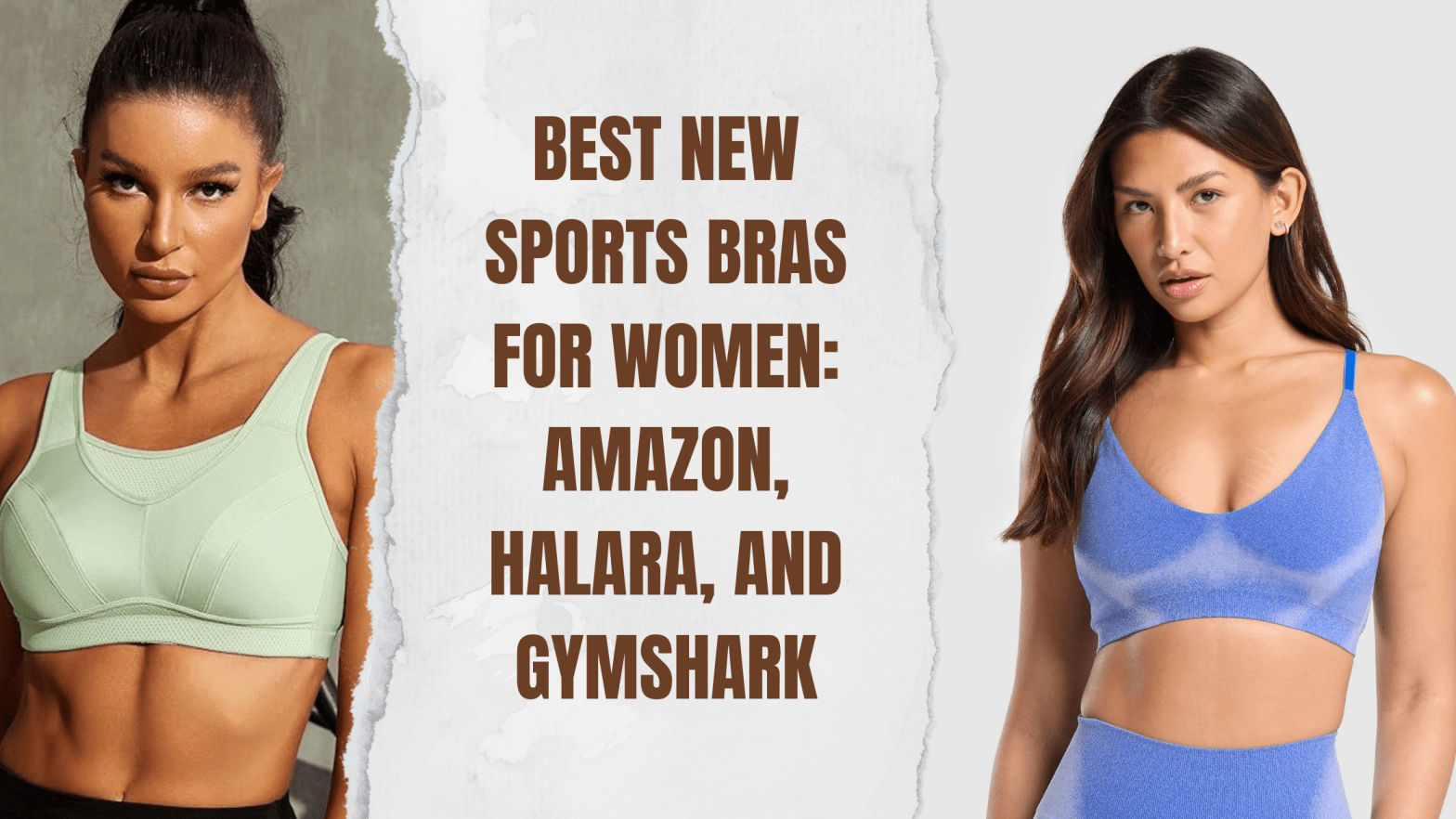


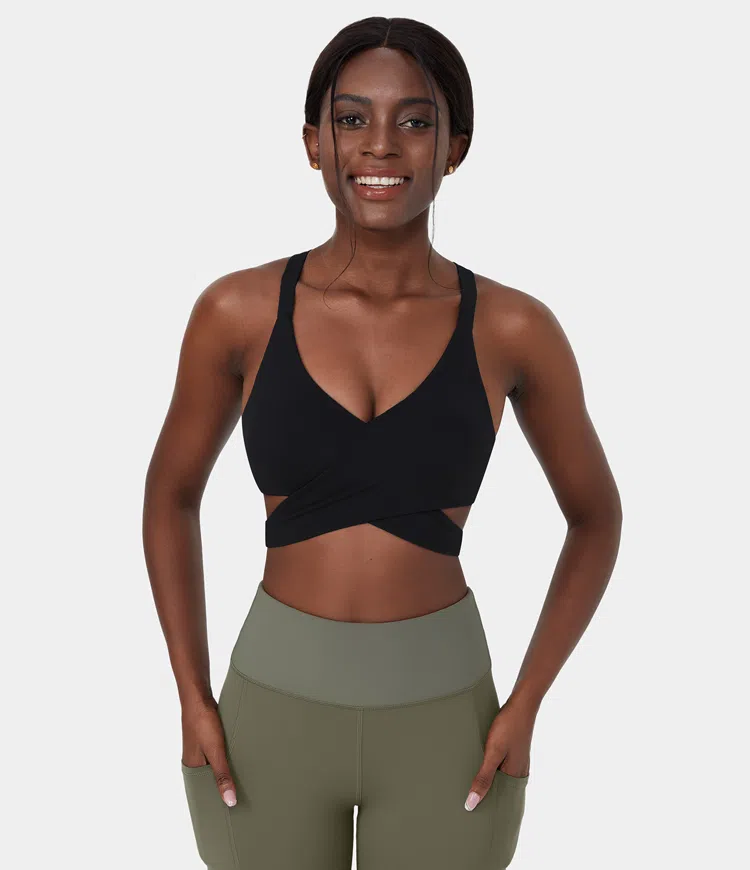
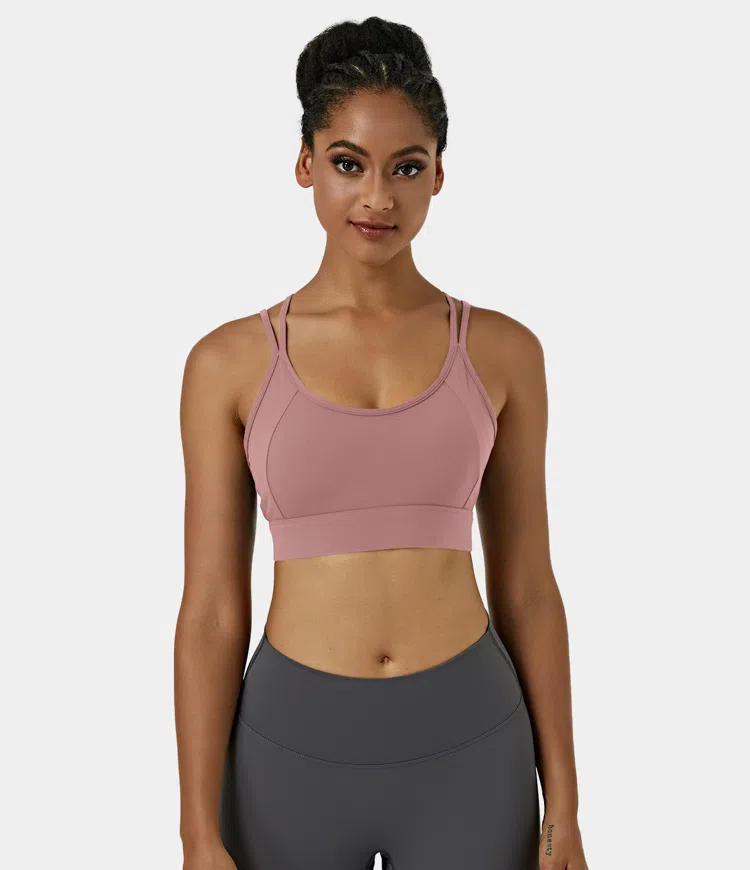


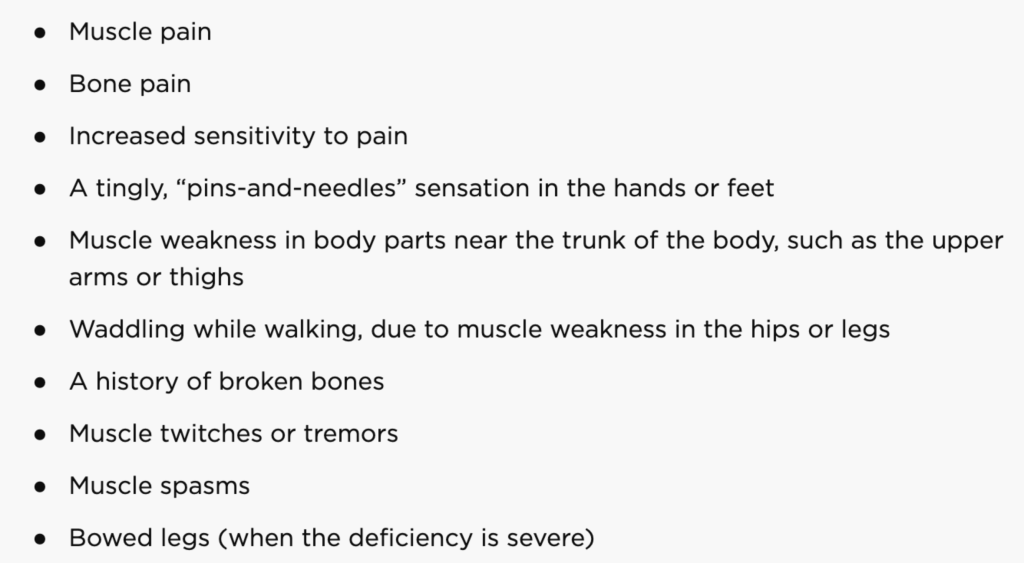
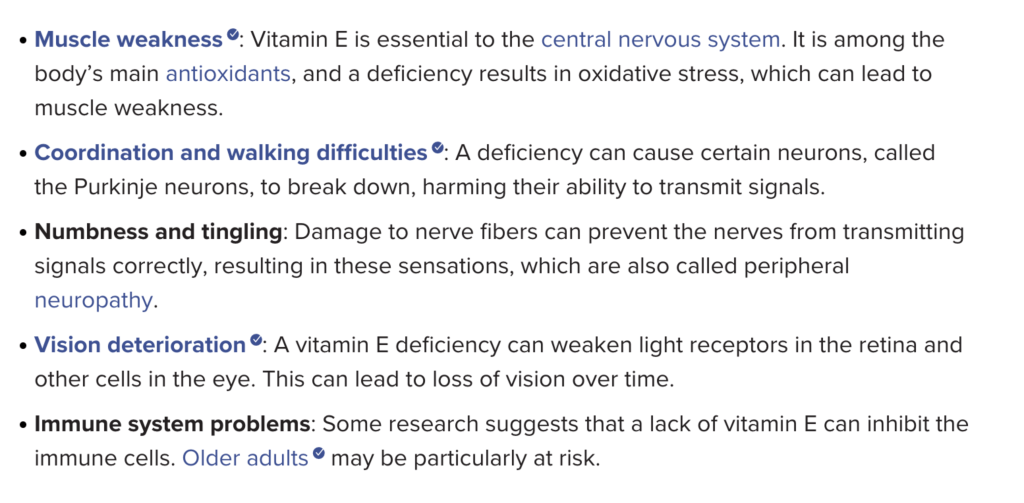
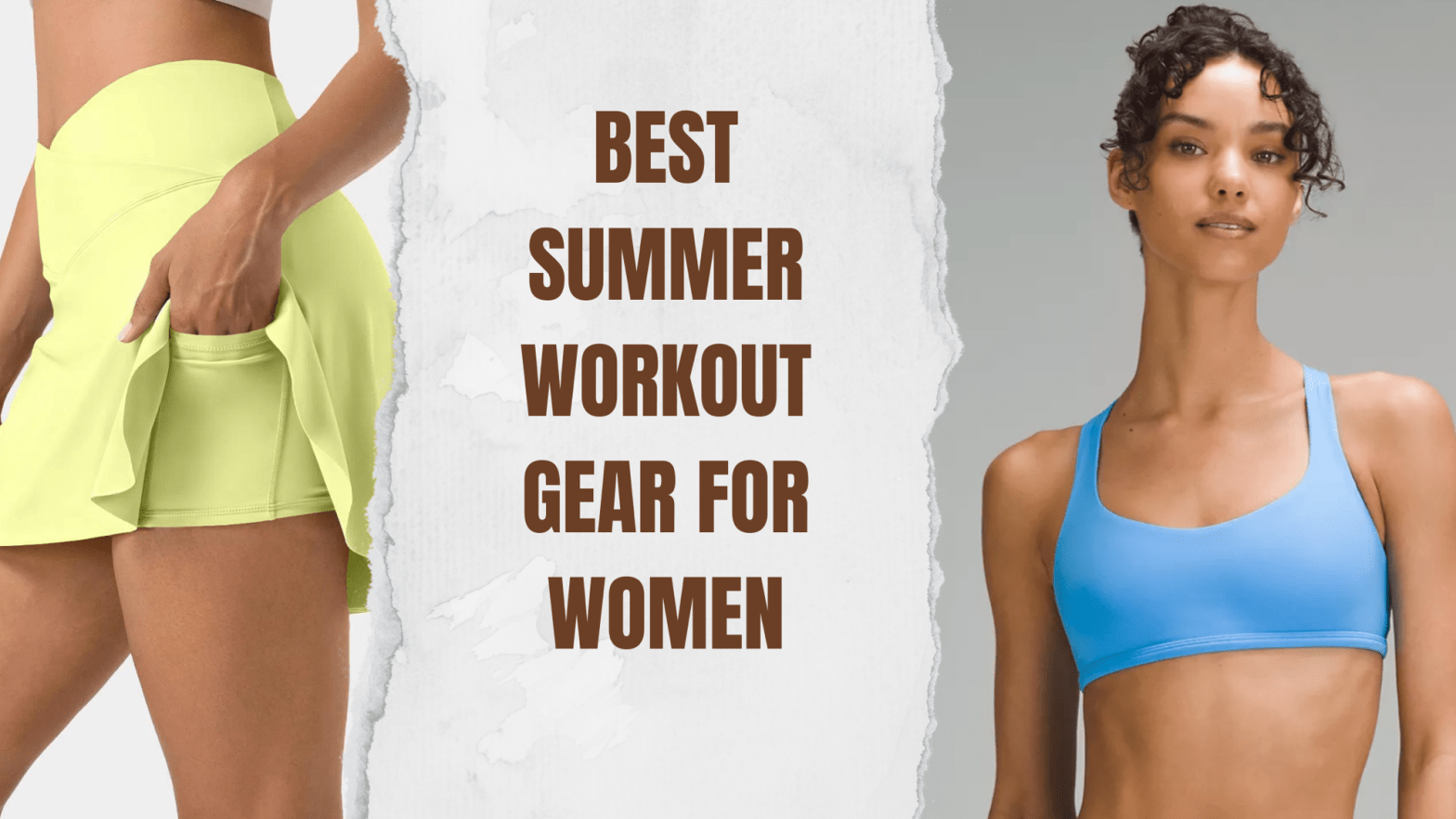

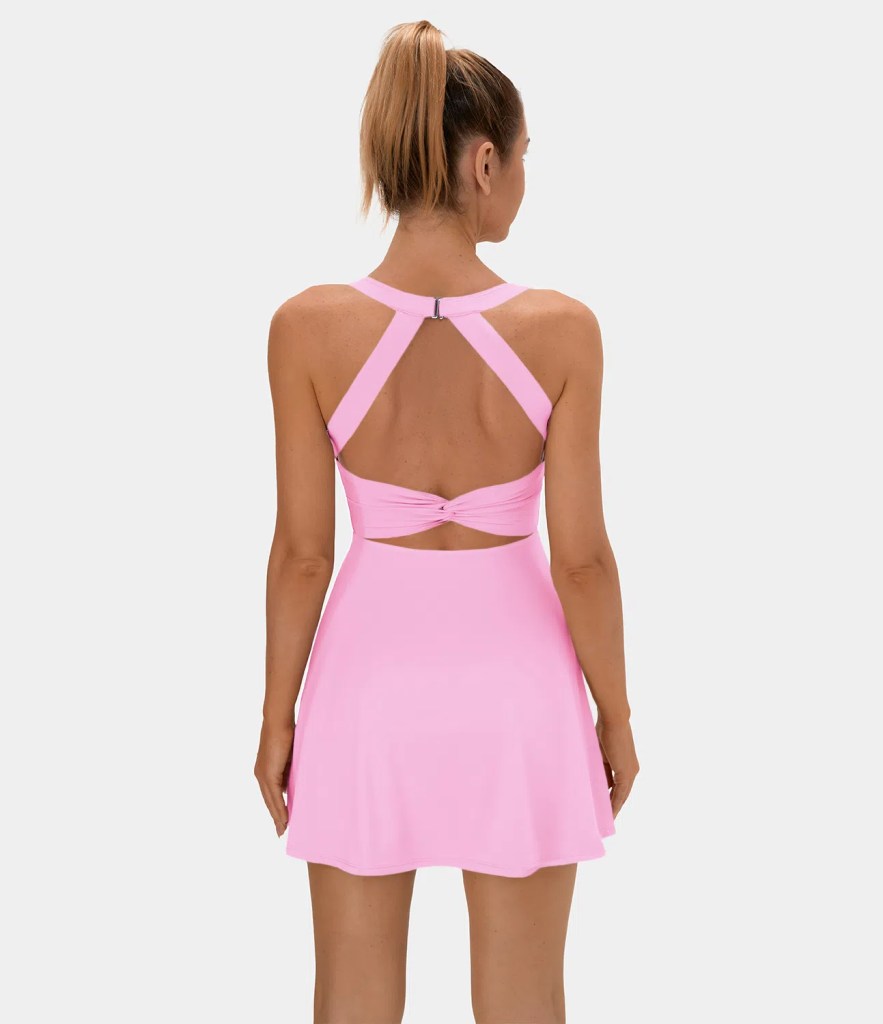


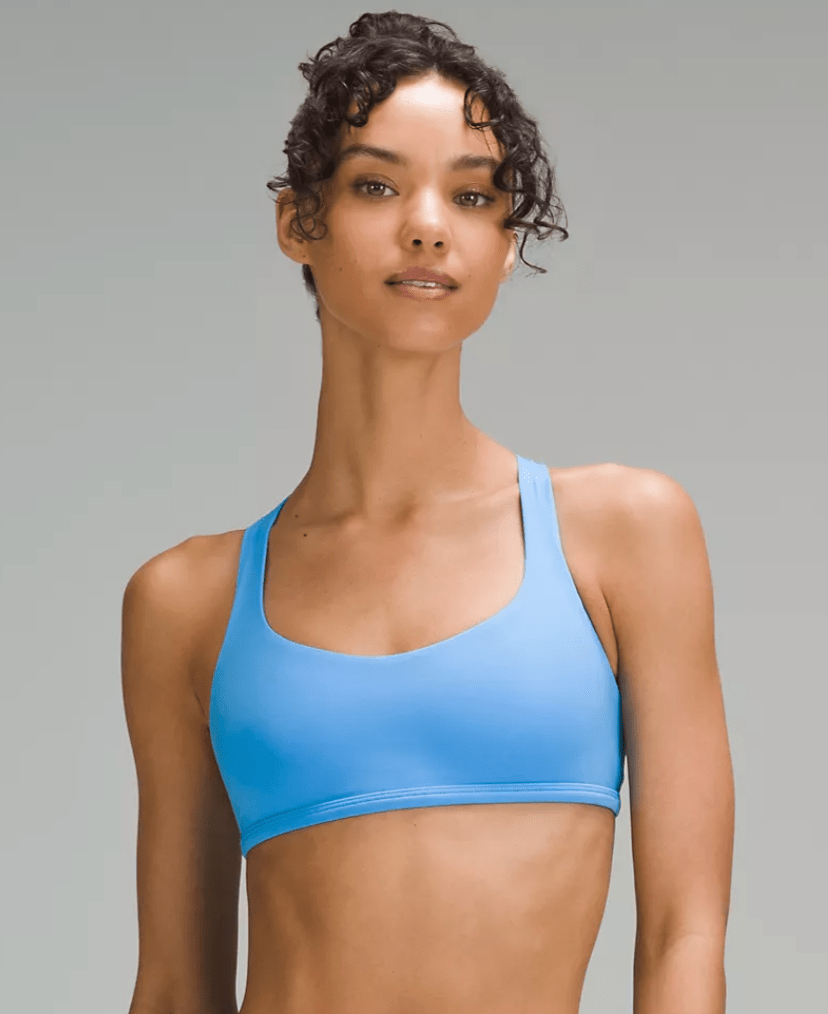
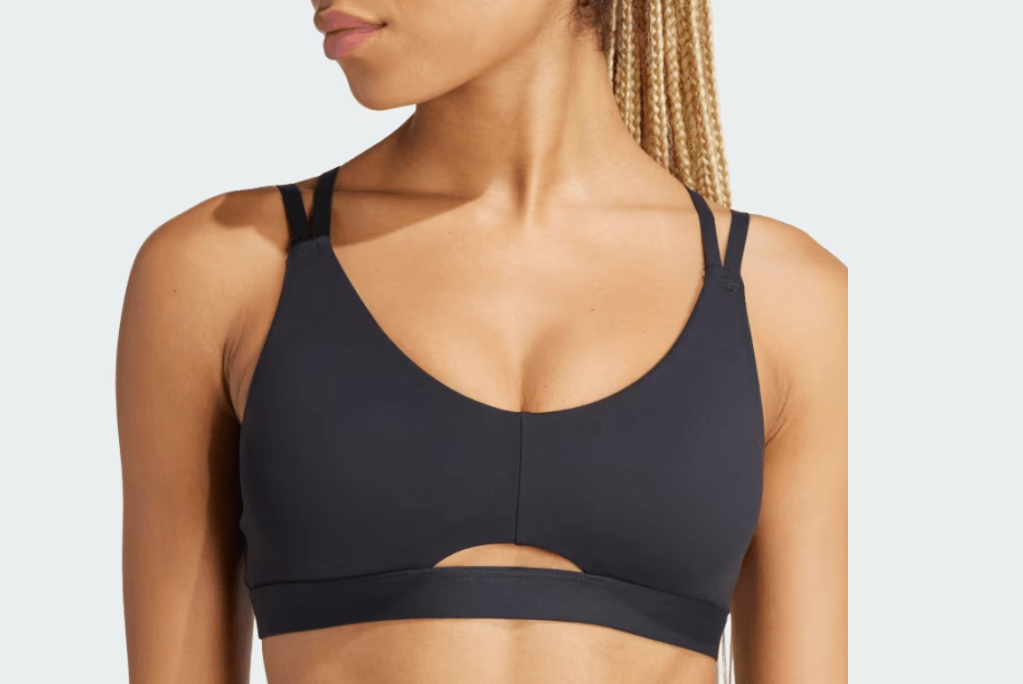
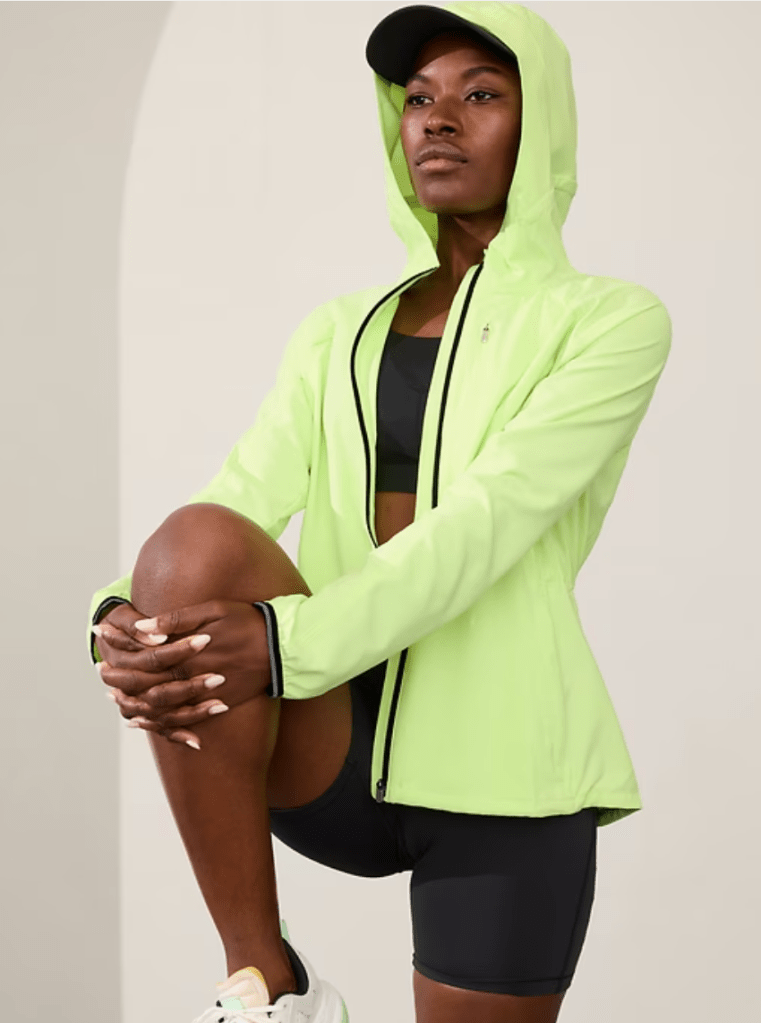
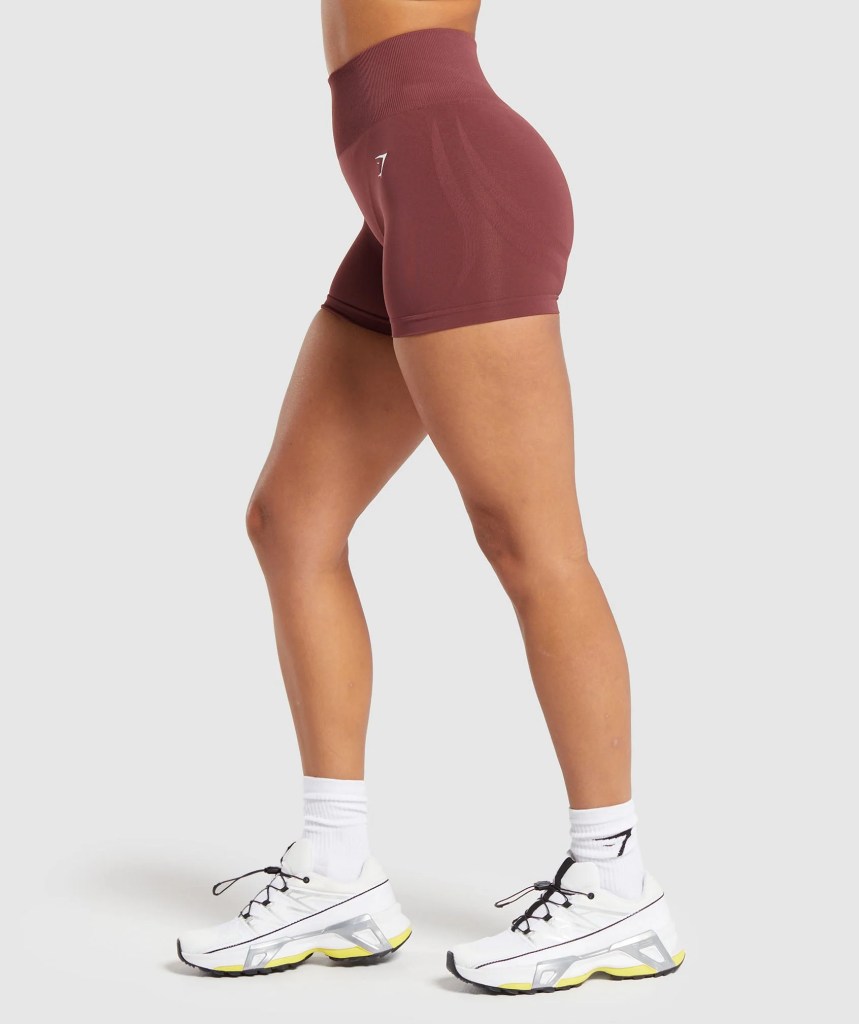


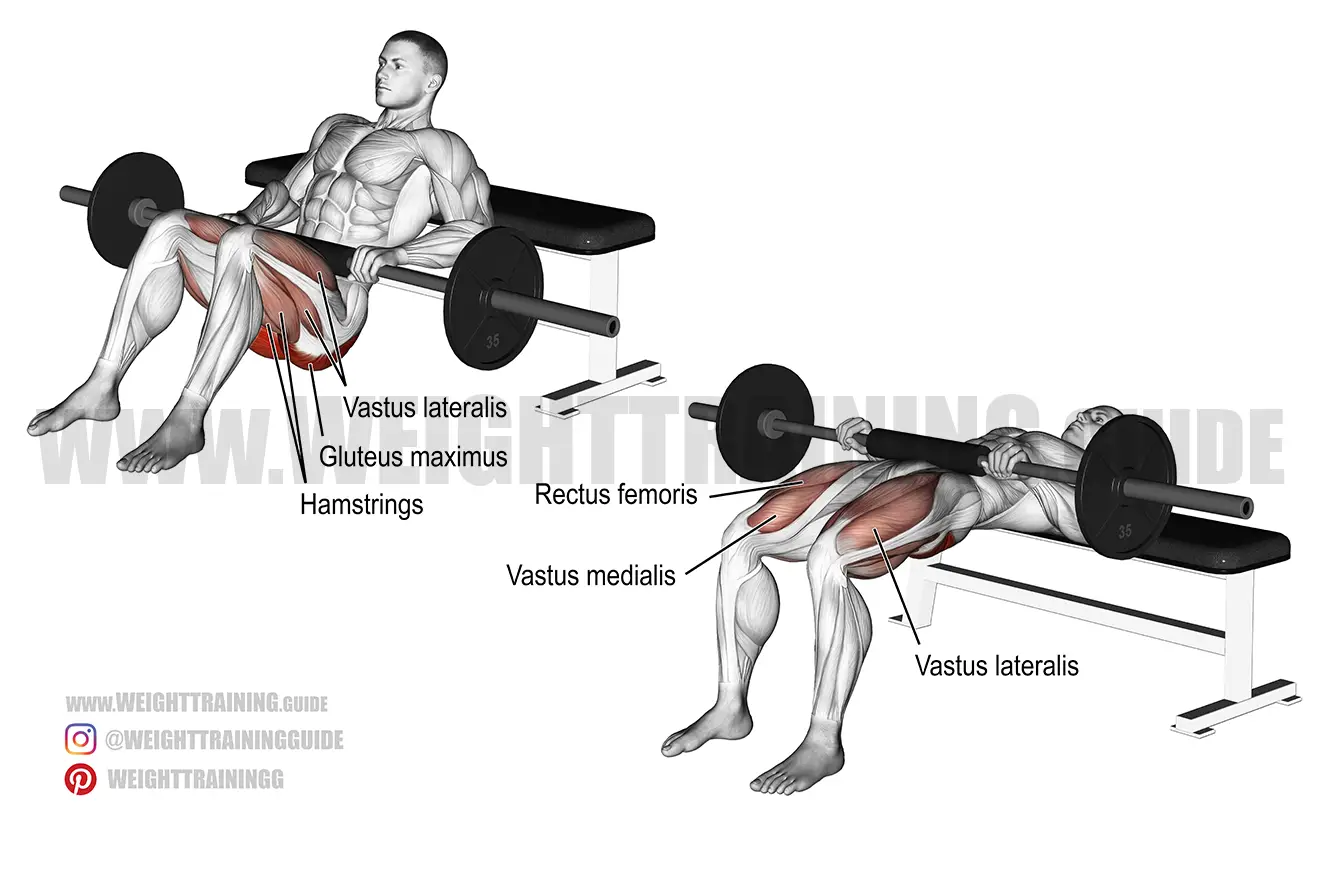


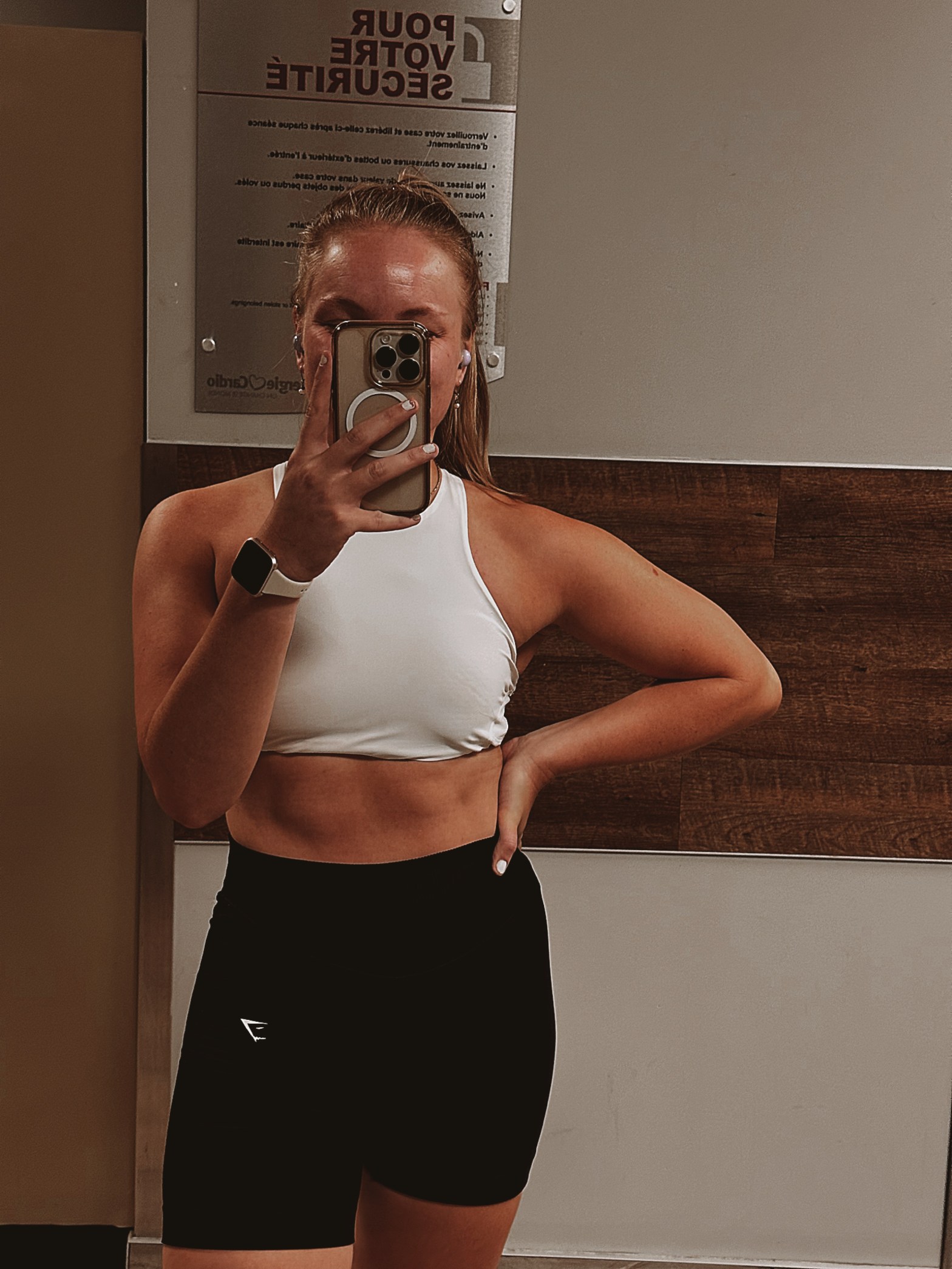
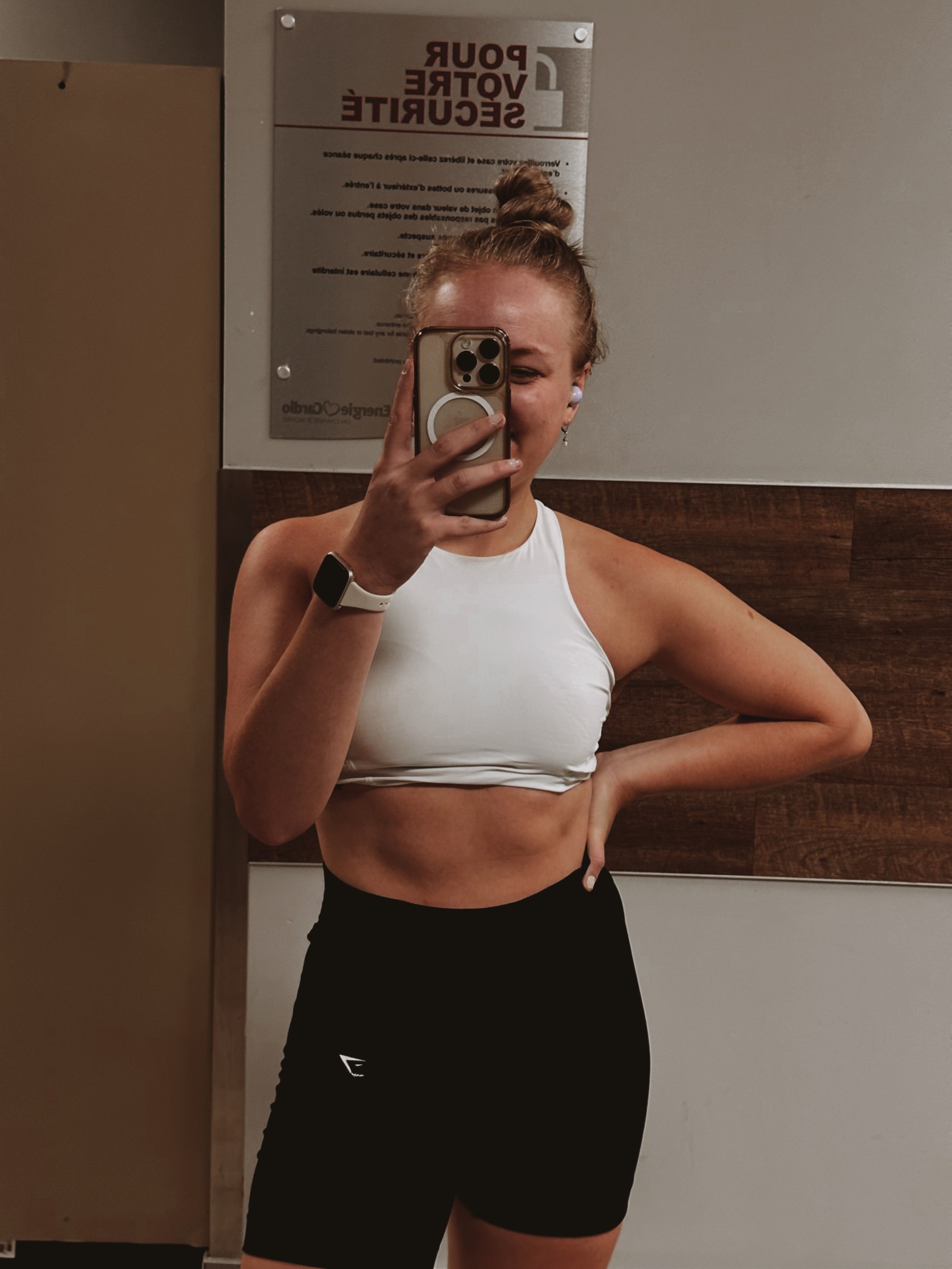
 Riley Pearce