My Current Supplement Stack: What I take to Support a Healthy, Balanced and Active Lifestyle

Affiliate Disclosure: Please note that this article contains affiliate links. This means that if you click through the links and make a purchase, I may earn a small commission from that purchase. To learn more about affiliate marketing and how I use the income from affiliate inks, check out my affiliate page.

The other day I was writing an article about supplements and which ones you are worth your while, and which ones aren’t. But while I was writing the article, I realized that it may be easier to just tell you exactly what I take, and to keep this list updated so you can see how my supplements adapt with my lifestyle as I learn new things and change my goals. So here is my current supplement stack and how each supplement supports my lifestyle and my goals.

Sport Supplements

I’ll start with my sport supplements, since this is what people think of first when someone in the fitness industry starts to talk about supplements. These are the protein powders, the creatines, and the BCAA’s of the world.

BTW – You are going to see a recurring trend over the next few types of supplements. I am a big fan of PE Science, as I mentioned in my supplements aritcle, so load up the homepage now, claim your first $10 off, and check out some of the great supplements I am going to mention.

Protein Powder: PE Science Select Protein

I am currently using the flavour Snickerdoodle, but that is only because when I purchased the 55 serving container during Black Friday, they had sold out of the cookie’s and cream flavour that I actually wanted.

I had heard good things about Snickerdoodle, so I thought it would be a good plan B. Truthfully, I wish I had just opted for a classic vanilla flavour, but it isn’t awful. It is just a little too sweet of a protein powder for what I like. Things like cake pop and peanut butter cup also have this impact on me.

When I take my protein powder I really like to keep it simple – protein powder, water, shake it up, chug it. So when the flavour is a little sweet, there’s something about it that doesn’t seem right.

Anyways, moving on to the next sport supplement…

Pre-Workout: Prolific + High Volume Stack

A lot of people are freaked out by pre-workout, which is understandable when you’ve seen people who dry-scoop two scoops of C4 and then go beat red and start itching everywhere. I have tried those kind of pre-workouts and although it is kind of a rush to get that itchy feeling, I find it distracting.

So I always come back to this stack. My favourite flavour is the blue flavour they used to sell, but I haven’t been able to find it. In the protein powder section I mentioned how I don’t like to chug sweet drinks, well I am going back on that here. For pre-workout, I am okay if it is sweet as long as it tastes good.

I currently take the black cherry flavour and it is good, but it isn’t my favourite. I’ll likely switch to the peach or maybe go crazy and try out the mango flavour for the first time!

Okay, enough about flavour. Let’s talk about why I take pre-workout and why I actually take 2 pre-workouts.

When I was a personal trainer people used to always ask me why I took pre-workout when things like caffeine pills, energy drinks and coffee existed. For me, I get up at the crack of dawn to go to the gym. I always train fasted and sometimes I need the extra motivation and energy to get me out of bed.

Pre-workout not only gives me a good energy boost to get my workout done on my most sleepy mornings, but it also acts as a habit enforcer. I have this theory about things that we do that help re-enforce or help support a new healthy habit. Sometimes I wake up with plenty of energy, but knowing that I get to take my tasty drink and then get that rush of energy as I walk to the gym helps make the hardest part of going to the gym – actually getting going – much easier.

So by drinking pre-workout, I not only get the energy benefits, but I also feel like I am getting some help staying on track and keeping my habits up. It’s part of the ritual and I love it.

Now why do I take 2? Truthfully it started because I saw my favourite fitness influencers of 2017 doing this, so I thought I’d copy them. But now, I justify it as the two pre-workouts do something slightly different.

  • Prolific is that pure energy boost that I need to get me out of bed and walking to the gym on even the coldest, windiest and snowiest days.
  • I take High Volume during my workout because it is caffeine-free energy, so I don’t get too jittery, and it also have “pump” technology built into it. So when I’m weightlifting, I get that added bit of definition when I subtly flex my tri-ceps after a heavy set of bench press (we all do it, no shame here).

BCAA’s and Electrolytes: PE Science Amino IV

Listen, I told you guys there would be a theme and I delivered. Now, BCAA’s are not really a necessary supplement when you are already eating complete sources of protein, and especially if you are taking a protein powder supplement.

However, I also like to use BCAA’s as another habit re-enforcer. And that habit is remembering to stay hydrated. Hydration is SO important. Water is used in just about every process in the body and is especially important for the processes in the body that help you recover from a workout.

But despite the fact that I know how important hydration is, I still have days where I don’t drink enough water. So, by having this Amino IV supplement, I kill 3 birds with one stone. The first bird is adding some additional BCAA’s to my body. BCAA’s, or branch-chained amino acids, are an important group of amino acids (building blocks of protein) that are involved with rebuilding the muscles in our body.

If you don’t know, when you workout, you actually create micro-tears in your muscles. These micro-tears need to be repaired, so the body sends all kinds of resources, including amino acids, to repair those tears and leave you with a stronger muscle. So by drinking BCAA’s I am ensuring I have enough of these resources available to rebuild my muscles after big workouts.

The “IV” portion of this supplement is actually electrolytes, which is a fancy name for some minerals that help with hydration. True hydration isn’t just water, although it plays a major role. Hydration actually includes having a certain level of electrolytes in relation to water content in your body. When kept in the right balance, your body will have enough resources to complete all of the various processes like metabolism, energy generation, and even immune responses.

And the final “bird” is just the fact that this drink tastes good, so I am encouraged to drink at least another 750ml during the day.

And that’s it at the moment! A lot of people may be wondering why I don’t take creatine, which is one of the most widely discussed and most well-researched supplements, but I just don’t feel the need to add to it my routine. It requires a lot of water, and most creatine supplements don’t dissolve well in water, and I hate getting a mouthful of dust at the end of a water bottle.

Maybe one day I’ll add it in, but for now, protein powder, pre-workout, and BCAA’s/electrolytes are working well for me. And remember – if you want $10 off your first PE Science order, just click through this link.

Daily Vitamins

Now the second “category” of vitamins is the daily vitamins and minerals that many of us take to optimize our health or supplement the vitamins and minerals that we may not be able to absorb as easily, may be allergic to in their most abundant, natural forms, or simply cannot consume in large enough quantities in their natural form due to cost or appetite.

All of these vitamins I take because I recognized a need to add these to my daily routine to ensure my optimal health felt supported. I am currently on the contraceptive pill and through research I discovered that the pill actually stops our body from absorbing important minerals like magnesium and the B vitamins as effectively as we would if we weren’t on the pill (oh the joys of being a woman!).

So there are a couple vitamins I take that are specifically because I know that I am not getting enough just by eating foods that are rich in these nutrients.

Pro-Biotics

I take a gummy probiotic at the moment. However I have taken them in capsule form as well. I mainly take this because I have had to go through a few rounds of anti-biotics for strep throat, which killed offer a lot of the healthy gut bugs in my body. This gut microbiome is crucial to your health and has even been deemed your second brain and the basis of your immune system, so it is so important to support your gut microbiome.

You can do this naturally with things like kombucha, kimchi, plain greek yogurt, kefir, and most forms of fermented foods. But it can be difficult to get enough from these sources and because of the hype around the gut-microbiome, many of these foods can cost a lot. So another piece of advice for a healthy gut is to get at least 30 different varieties of plants in your diet. That may seem like a lot, but this includes nuts, seeds, herbs and spices, as well as fruits and vegetables.

Again, despite knowing all of this, I still like to have the supplement and find that my gut feels healthier and my trips to the bathroom are more comfortable and regulated, which is one of the greatest signs of internal health.

Omega’s

When the world was afraid of fats, it would seem crazy that we were literally supplementing fats. But omega fatty acids are essential for brain function, hormone regulation and vitamin absorption (along with a whole host of other functions), which is always makes me a little crazy that we believed that fats were evil at one point.

Our brain is a big fatty mass, we have vitamins that can only be absorbed by fat, and hormones needs fats to be created and kept in balance. So this is why I take omega fatty acids. I currently take omega 3, 6 and 9 (trigylcerides – waddup chemistry class?) to make sure my bases are covered.

I take mine in capsule form, but you can get really great, high potency omega’s in liquid form as well. Just be prepared for a slight fishy taste as most omega supplements are derived from fish sources. Although those with fish allergies can also get vegan omegas from algae.

Vitamin D

Omega’s are a great segue into my next daily supplement which is vitamin D. As someone who lives in a northern climate where the sun goes away and isn’t as strong for 6 months of the year, taking vitamin D is essential to protect me from vitamin D deficiency.

In the summer months when we expose more of our bare skin to natural sunlight, we are able to produce more than enough vitamin D to support a healthy body. Vitamin D is another one of those vitamins that has so many jobs that we know it is critical to our health, and so being deficient in vitamin D can put us at risk of a whole host of health problems.

Vitamin D has been found to be so important to various systems and processes in the body that it is classified as a hormone, since hormones technically impact every system when they are released.

Vitamin D is one of our fat-soluble vitamins and therefore must be taken with a source of fat. Which is why you’ll see a lot of omega supplements that have vitamin D added to them to keep things efficient. I also recently learned that you can get 30% of your daily vitamin D from eating 100g of tuna, which is also a good source of healthy fats and protein.

But we know that we can’t all be eating 350g of tuna everyday, so that why I supplement throughout the winter. It isn’t really necessary to take vitamin D in the summer if you are getting out in the sun often.

Curcumin

Curcumin is one of those supplements that I will use on and off. I am currently using it because I am noticing it is taking a long time to recover from workouts, and I find I am very puffy after big workouts or long work days.

That puffiness is due to inflamation, which curcumin, that anti-inflammatory element of turmeric, helps with. Again, I have taken this in multiple forms and even used to load up everything with turmeric powder, but I am currently taking it in gymmy form.

This is probably a great time to mention that anything in gummy form is going to result in lower absorption and there will be less of the active ingredient you’re looking for in the gummy. However, gummies make it easy and fun to take important vitamins, so I enjoy taking them and will continue to take them for things like curcumin where I don’t necessarily need the highest potency to get the benefits.

5-HTP and Maca

The final two supplements I take are more on the experimental, natural healthy side of the supplement aisle. The research around these supplements isn’t super well supported or thorough, but preliminary studies have given each of these enough backing that I am testing them out in my routine.

5-HTP is advertised as a supplement that helps to naturally balance your mood and has been shown to support healthy serotonin production. As someone who struggles with anxiety and depression, I am always on the look out for things that can help move the needle and help me feel like my mood is a little more balance throughout the day.

Again, as a woman on the contraceptive pill, one of the side-effects is depressive episodes and moodiness, so I find 5-HTP is something that, at the very least, gives me the feeling that my mood is balanced and I don’t have such extreme mood swings.

Maca is a naturally derived powder from the maca root and has been shown to have benefits for women with irregular hormonal levels. One of the things I learned from going off of the pill is just how out of whack my hormone levels were. So while I am on the pill, I feel as though I am helping to support healthier hormone levels, and hope to one day get off the pill without such a major shift in hormone levels.

Maca has also been shown to support healthy energy levels, which is especially important for me as I have long days with lots of dog walks, work tasks that require a sharp and focused mind, tough workouts and their subsequent recovery periods.

So that’s it at the moment for my supplement stack. Each of these has an important role to play in supporting not only my fitness goals, but also my everyday health as a busy young woman with responsibilities.

I hope you’ve found some value from this list, but please remember to speak with a doctor or registered health professional before trying any new or experimental supplements.

Every body is different, and therefore needs different things to feel its best. This is what works for me and I believe it can act as a jumping off point for your own further research into what supplements, vitamins and minerals can support you and your unique health situation.


Natural Sources of Protein to Help You Hit Your Protein Goals (without Supplements)

Affiliate Disclosure: Please note that this article contains affiliate links. This means that if you click through the links and make a purchase, I may earn a small commission from that purchase. To learn more about affiliate marketing and how I use the income from affiliate inks, check out my affiliate page.

I have written about the macros and supplements on my blog before, but I wanted to make sure I took the time to outline some great natural sources of our macros. As I mentioned in my blog about supplements, we should always try to achieve our macro targets using natural sources as they offer additional health benefits including vitamins, minerals, and the oh-so-important part of digestion know as chewing!

So here are my top natural sources of protein (and we do not discriminate between animal and plant sources here!)

Animal Sources

As someone who comes from nordic/scandinavian/germanic roots, eating high fat, high protein meat just works best for me. My skin doesn’t break out, my energy is amazing, my workouts at the gym feel great and I feel like my brain works better when I am eating a healthy amount of animal proteins. The key is to make sure I am eating a variety of animal protein sources, as each offers it’s own unique benefits.

Chicken/Poultry

Cut of ChickenkCalsProtein ContentOther Info
Breast (boneless, skinless)16531g30% of daily vitamin B6, which is important for brain health and metabolism.
5% of daily iron, which is important for women who are menstruating
Thigh17724g25% of daily vitamin B6, and 6% of daily iron
Wing28826.64g26.64g of protein, ~4g shy of your standard scoop of protein powder
7% of daily recommended iron
Bone-in, Skin on18427.39gThis has the highest fat content, at 7g/100g, but it is also the most flavourful
Source

Kicking things off with ol’faithful. Chicken is a great lean protein, meaning it isn’t highly marbled – or high fat – source of protein. Lean protein is great for building muscle while keeping calories under control. As a reminder, protein offers 4kcals of energy for every gram of protein, while fat offers 9kcals of energy for every gram of fat. So the leaner the meat, the fewer calories you’ll be adding to your total calories-in equation.

The trade-off is flavour. Fat is what gives a lot of protein rich flavour. So when we eat chicken, we typically need to add seasoning and fat to the chicken to lock in and enhance the little flavour this lean protein has to offer.

If possible, I would recommend looking for ethically sourced chickens. Chickens from large, mass production farms are typically stressed for their whole lives and are fed low quality feed, which is meant to help them gain weight quickly so they can be processed faster. Think about you when you are stressed and aren’t eating well. You feel weak, typically you end up with an upset stomach, and the rest of your body isn’t functioning optimally. The same is true of these poor mass-produced chickens.

So support local if you can, or try our a delivery service like ButcherBox.ca, TruLocal, or Farm2Fork, who sources their proteins from local farmers and typically delivery is right to your doorstep.

Pro Tip: By using the Farm2Fork link, you’ll get $40 off your order! Or try TruLocal and get 25% off your first subscription.

Beef

Cut of Beef (100g)kcalG of ProteinOther Info
lean ground beef26925.5g14% of daily iron
ground beef (70% lean, 30% fat)33214.3g9% of daily iron and 30g fat
100g roast beef26725.9g14% of daily iron. Also important to note that how you cook your roast beef, including sides and seasonings will contribute to protein, fat, and overall calories
Steak25127g25% of daily vitamin B6, and 36% of cobalamin (B12), which is important for red blood cell development and brain cell development. If you want 8 free steaks, check out this offer from TruLocal.
Source

Moving on to a controversial type of animal protein – beef, or red meat. I always like to recommend all things in moderation. You can see from the table above that steak offers some pretty significant amounts of protein, plus very important vitamins and minerals that help us ladies get through our menstrual cycles and keep our brains and blood vessels healthy.

Similarly to poultry, it is really important to check the source of your beef. Beef is one of the most mass-produced animals on our planet, which increases the likelihood of disease and has a major impact on our environment.

I’d recommend doing research into local farmers who follow the Joel Salatin method of farming. This cycles important livestock on the same area of farm-land, supporting natural feeding and resource recycling processes that help raise happy, healthy, and nutrient-rich livestock. You can learn more about this in the Omnivore’s Dilemma, one of my favourite books.

I was lucky enough to find a farmer through my mom who followed this method of farming, and it made me realize that you really don’t know the difference between happy cows and mass produced cows until you’ve eaten the beef from a happy cow (a bit morbid, but such is the circle of life). Plus the happier cow, the more those nutrients are able to accumulate, so the protein, vitamin, and mineral content mentioned above are likely in richer supply in the happier cows.

It really is crazy how we’ve altered the quality of our food – all for convenience. But I digress – moving on!

Pork

Cut of Pork (100g)kcalProtein (G)Other Info
Pork loin24227g25% B6,
13% vitamin D, known as a vitamin and a hormone and important in many processes and systems in the body
Pork Belly5189gThis delicious cut of pork boast 53g of fat. Again, the higher the fat content, the better the flavour. So if you’re going for taste, this is the cut. But if you’re looking for protein, best to opt for another option.
Pork chop23124g25% vitamin B6
5% of magnesium, another important mineral for women’s health and an excellent mineral to help with sleep
Pulled Pork (with BBQ sauce)16814g15g of sugar in this one, but I wanted to make sure I included this so you could compare against other forms of pork.
Source

Another controversial animal protein, again due to it’s high fat content but also the farming practices used to raise and sell pork. I personally don’t eat or cook a lot of pork, but only because I haven’t quite figured out the right technique for cooking pork.

With that, I remember pork being a stable protein source when I was trying the keto diet. It is filling, and full of all kinds of nutrients. As I mentioned above, pork offers a notable amount of vitamin D, which is such an important vitamin it has been given hormone status! So there’s certainly benefits to including pork in your animal protein rotation.

The quantity of protein will vary on the cut of pork, but at it’s highest amount it is on part with lean chicken breast and most types of beef, so you won’t be losing our on any protein by switching to pork for a night.

Fish

Type of Fish (100g)kcalsproteinother info
Salmon14621.6g65% of vitamin D – a huge amount of such a vital nutrient. Despite fewer calories, and slightly less protein, the additional benefits are great with Salmon
Haddock9020gthis fish is low fat, and comes with ~7% of your daily potassium needs, which is an important nutrient for exercise recovery
Shrimp11923g9% of daily magnesium. Important to note that magnesium is one of the nutrients that is deeply impacted by contraceptive pills, as the pills limit the absorption of magnesium.
Lobster14326g8% of daily iron. Out of the various seafood you can eat, Lobster is one of the better sources of iron
Tuna13228g50% of B6, and 36% of B12, this fish is a great addition to your diet if you are look for healthy blood vessels, healthy brain cells, and more protein for fewer calories than a piece of steak!
Source

I am such a big fan of fish as a source of protein because I know how important the omega-fatty acids are to my health. Which seem counter-intuitive since we are talking about protein here, but if I can get protein benefits along with healthy fatty acids and crucial B vitamins, then I’m just being smart and efficient about my diet!

I have to be honest – I didn’t realize just how nutrient dense these different types of seafood were. I used to always eat salmon and shrimp because it was easy to cook and I knew it had some benefits. But after digging into the nutrient facts, I think I am going to look into adding more tuna to my diet.

As with all forms of animal protein, the source will always dictate the quality and therefore nutrient density of the fish. The fresher the fish, the better. ie. the less time it has spent between leaving the water and getting to your plate, the better. I have a great local grocery store that ships in salmon overnight and flash-freezes it, locking in the flavour and quality.

For salmon and tuna, you can ask the fish monger if it is sushi-quality. This means you could eat the fish raw like you would with sushi (not raw, but “raw” after a quick bath in some lime juice, salt and water). For things like sushi and lobster, you’ll want to see where the shrimp and lobster are coming from to understand the quality and try to find out where it was caught and how long ago it was packaged, or added to that creepy tank at the grocery store.

If you’ve gotten to this point – thank you! I am still working on this article, but do appreciate you being one of the first to read it! I’ll try to finish it as soon as possible so you can learn more about plant-based proteins.

The Role of Supplements in Your Fitness Routine: What You Need to Know

Affiliate Disclosure: Please note that this article contains affiliate links. This means that if you click through the links and make a purchase, I may earn a small commission from that purchase. To learn more about affiliate marketing and how I use the income from affiliate inks, check out my affiliate page.

When it comes to supplements in the fitness world, it can be overwhelming trying to determine what is true and what is fad. This is what makes skepticism is a valuable mindset when evaluating what supplements are worth your money, and which ones you can leave on the shelf. When I was actively working as a personal trainer, I was regularly asked which supplements my clients needed to achieve their goals. So that’s what I’d like to do for you today, because I have tried just about every supplement under the sun, have done the research for you, and want to help you save time and money.

1. Whole Foods First

Before diving into the world of supplements, remember that whole foods should always come first. One of the key messages when I have looked through studies is that, in most cases, as long as you are eating a balance diet with plenty of variety, you are likely getting all of the nutrients you need.

Take protein, for example. This is one of the most common supplements that someone will grab when they are starting to work out. But if you are eating a couple eggs and toast with a good almond butter for breakfast, you have some form of whole protein at lunch, and another form of protein at dinner, you are likely getting enough protein. Protein as a supplement comes into play when you have dietary restrictions that make it difficult to get enough protein from whole foods, or you are not able to eat or afford the amount of whole protein that is required to achieve 1 gram of protein/1kg of body mass.

I have a couple of articles that break down great natural sources of proteins, fats, and carbohydrates, as well as some key nutrients, so be sure to check those out in the women’s nutrition section of the blog.

2. Nutrient Gaps

Not everyone is able to absorb nutrients from just natural sources. Additionally, sometimes natural sources are pricey and therefore, taking a supplement makes those nutrient more accessible.

This is how supplements fill those nutrient gaps. I always think about how as women age, our body leaches calcium from our bones because we are not able to absorb this mineral as efficiently as we could when we were younger. This is where supplementing with calcium is a great option.

Another great example is magnesium. For those of us women who choose to go on the contraceptive pill, we are unfortunately losing out on natural nutrient absorption. That’s right, when we take the pill, our body is not only not able to absorb nutrient as effectively, but it also lets those nutrients deplete faster when we are on the pill. This is why I like to take a magnesium while I am on the pill. I have also heard from the other women in my life that take pre-natal vitamins as they are coming off of the pill has really helped with the post-birth-control symptoms.

Finally, I grew up with a dad who has a shell-fish allergy, so we weren’t eating as much seafood and therefore missed out on some of the benefits of seafood like their high B vitamin content and their healthy doses of omega-fatty acids and vitamin D.

So while whole foods are your foundation, supplements may have a role in filling nutrient gaps for some individuals. If you have specific dietary restrictions, allergies, or medical conditions that limit your nutrient intake, consult a healthcare professional to identify potential deficiencies and supplement wisely.

3. Quality Matters

If you decide to incorporate supplements, prioritize quality and safety. Look for products that have undergone third-party testing for purity and potency.

Supplements are a booming business in the USA, and unfortunately has suffered the same quality hack that the beauty industry has experienced. You know, how every person you saw on tiktok was started a beauty brand and it was unclear who the suppliers were, and if you were really getting new technology or just new packaging?

Supplements have gone through the same experience where multiple supplement suppliers started popping up every where and so entrepreneurs wanting to get in on the business, would package up the same old protein, creatine, and fat- burner that already existed and sell it as their own.

Is this a great business model – sure. But it sours the market that we rely on for good results. That’s why you want to look for supplement brands that focus on quality and testing and getting additional certifications.

Personally, I love the PE Science brand. I have tried other brands, like the insta-famous Alani Nu and Tropeaka, and also dabbled in the random supplements you can get on Amazon or that are sent to you for free when you post with the right hashtags on Instagram. But I always come back to PE Science. It was started over 10 years ago by athletes who were looking for better quality supplements. They’ve kept this ethos all this time and continue to innovate and offer a great selection of supplements.

You can check out my current supplement stack in this article.

Moral of the story is with supplements is that if it seems overly hyped, unregulated or is promising miraculous results (ahem, fat burners, we’re talking to you), just steer clear and try to find a brand that offers more research and scientific support.

4. Targeted Supplementation

Focus on targeted supplementation rather than a one-size-fits-all approach. For example, if you’re deficient in vitamin D or iron, consider supplements under the guidance of a healthcare provider. Generic multivitamins may not address your specific needs.

5. Potential Risks

Recognize that supplements are not without risks. High doses of certain vitamins and minerals can be harmful. Always follow recommended dosages, and be cautious about taking multiple supplements simultaneously, as this can lead to nutrient imbalances.

6. Supplement vs. Whole Food

Understand that supplements cannot replicate the synergistic effects of whole foods. The combination of nutrients, fiber, and phytochemicals in whole foods contributes to their health benefits. Supplements should complement your diet, not replace it.

7. Individual Variation

Keep in mind that individual responses to supplements vary. What works for one person may not work for another. Pay attention to how your body reacts, and consult a healthcare provider if you experience adverse effects.

8. Sports Supplements

If you’re an athlete, be cautious about sports supplements. Many are marketed with bold claims but lack substantial scientific evidence. Consult a sports nutritionist to determine if any supplements can genuinely enhance your performance.

9. Supplement Industry Hype

Be wary of the supplement industry’s marketing tactics. Claims of rapid muscle growth, fat loss, or enhanced performance should be met with skepticism. Always seek unbiased information from reputable sources.

10. Balanced Diet First

Reiterate the importance of a balanced diet rich in whole foods. Supplements should never be used as a shortcut to compensate for a poor diet or an inactive lifestyle. They should complement your efforts, not replace them.

In conclusion, the role of supplements in your fitness routine should be approached with caution and discernment. While they may have a place in addressing specific nutritional needs, whole foods should remain the cornerstone of your diet. Consult with healthcare professionals and nutrition experts to make informed decisions about supplementation, always prioritizing the safety and effectiveness of your fitness journey. Remember, supplements are just one piece of the puzzle, and they should never overshadow the importance of a well-rounded, whole-food-based diet and a balanced fitness routine.

How to Stay Motivated on Your Fitness Journey: Tips and Tricks from Experts

Embarking on a fitness journey is a commendable endeavor, but maintaining motivation throughout the process can be challenging. As a personal trainer with over two decades of experience, I’ve witnessed countless individuals succeed by staying motivated. I have also gone through seasons of high and low motivation, so I’ve had to find tricks and tools to “get back on the wagon”. In this guide, I’ll share expert tips and tricks to keep you on track and inspired on your fitness journey.

1. Set Clear and Achievable Goals

Start your journey by defining clear, achievable goals. Whether it’s losing weight, building muscle, or improving endurance, having specific objectives gives your efforts purpose and direction. Break these goals into smaller, manageable milestones to celebrate your progress along the way.

2. Find Your “Why”

Understanding why you want to achieve your fitness goals is a powerful motivator. Your “why” could be improved health, increased confidence, or setting a positive example for loved ones. Keep this reason in mind whenever motivation wanes; it will reignite your passion for fitness.

3. Diverse Workouts: Keep It Fresh

Routine can be the enemy of motivation. Keep your workouts exciting by incorporating variety. Try different exercises, workout styles, or fitness classes. Exploring new activities not only keeps things interesting but also challenges your body in new ways.

4. Accountability Partners

Share your fitness journey with a friend, family member, or personal trainer. Having someone to hold you accountable can boost motivation. You can work out together, share progress updates, and provide encouragement during tough times.

5. Track Your Progress

Document your journey by tracking your progress. Keep a fitness journal, take photos, or use fitness apps to record your workouts, nutrition, and measurements. Seeing how far you’ve come can be a tremendous motivator.

6. Reward Yourself

Set up a reward system for achieving milestones or sticking to your workout routine. Treat yourself to something you enjoy, like a spa day, a new fitness gadget, or a favorite meal (in moderation, of course). Rewards add positive reinforcement to your journey.

7. Mindfulness and Visualization

Practice mindfulness techniques to stay in the present moment during workouts. Visualize your success, imagining how you’ll feel and look once you’ve achieved your goals. This mental exercise can boost motivation and focus.

8. Join a Community

Joining a fitness community or online group can provide a sense of belonging and motivation. Sharing experiences, challenges, and successes with like-minded individuals fosters a supportive environment that keeps you engaged.

9. Mix in Fun Activities

Don’t forget to have fun. Incorporate physical activities you genuinely enjoy, whether it’s dancing, hiking, or playing a sport. When exercise feels like play, you’re more likely to stay motivated.

10. Rest and Recovery

Adequate rest and recovery are essential for maintaining motivation. Overtraining can lead to burnout and decreased enthusiasm. Ensure you schedule regular rest days to recharge both your body and mind.

11. Adapt and Adjust

Understand that setbacks are part of any fitness journey. Instead of getting discouraged, use setbacks as learning opportunities. Adjust your goals or strategies as needed and keep moving forward.

12. Celebrate Small Wins

Don’t wait until you reach your ultimate goal to celebrate. Acknowledge and celebrate every small victory along the way. Recognizing your progress keeps motivation high.

13. Educate Yourself

Invest time in learning about fitness and nutrition. Understanding how your body responds to exercise and diet can increase your motivation to make healthier choices.

14. Positive Self-Talk

Replace negative self-talk with positive affirmations. Encourage yourself with statements like “I am getting stronger every day” or “I am making progress.”

15. Seek Professional Guidance

Consider consulting with a personal trainer, nutritionist, or mental health professional to provide expert guidance and support on your fitness journey.

In conclusion, maintaining motivation on your fitness journey is achievable by implementing these expert tips and tricks. Remember that motivation may ebb and flow, but by staying committed to your goals, seeking support, and embracing variety, you can stay on track and achieve the health and fitness results you desire. Your journey is a marathon, not a sprint, and with the right strategies, you can stay motivated for the long haul.

The Science of Building Muscle: How to Optimize Your Workouts for Maximum Results

In the pursuit of building muscle, understanding the science behind effective workouts is crucial. As a personal trainer with over two decades of experience, I’ve honed my approach to maximize results through science-backed strategies. For me, understanding the science behind why certain strategies work, and why some strategies are just BS, really made working out so much more enjoyable and exciting. In this guide, we’ll delve into the key principles to optimize your workouts for muscle growth so that you too can enjoy the thrills of strength training.

Progressive Overload: The Foundation

The principle of progressive overload lies at the heart of muscle growth. To stimulate muscle growth, you must continually challenge your muscles by gradually increasing the resistance or intensity of your workouts. This can be achieved by increasing weights, repetitions, or the difficulty of exercises.

Compound Exercises: Efficiency and Effectiveness

Compound exercises, which engage multiple muscle groups simultaneously, are your best allies in building muscle. Exercises like squats, deadlifts, bench presses, and pull-ups recruit a wide range of muscles, leading to greater gains in less time.

Rest and Recovery: The Growth Phase

Muscle growth doesn’t occur during workouts but during the recovery phase. Allow your muscles adequate time to recover and repair by ensuring you get enough sleep and incorporating rest days into your routine. Sleep is when your body releases growth hormone, a key player in muscle development.

Nutrition: Fuel for Muscle Growth

Proper nutrition is a cornerstone of muscle building. Focus on a balanced diet that includes an adequate intake of protein to support muscle repair and growth. Aim for approximately 1.2 to 2.2 grams of protein per kilogram of body weight daily.

Timing Matters: Pre and Post-Workout Nutrition

To optimize muscle growth, pay attention to your pre and post-workout nutrition. Consuming a balanced meal or snack containing carbohydrates and protein before your workout provides energy and supports muscle performance. Post-workout, prioritize protein and carbohydrates to aid in recovery.

Volume and Frequency: Finding the Sweet Spot

The volume (number of sets and repetitions) and frequency (how often you train a muscle group) of your workouts are crucial variables. Striking the right balance is essential. Higher volume and frequency can lead to muscle growth but also require adequate recovery time.

Proper Form: Quality over Quantity

Maintaining proper form during exercises is paramount. Poor form not only increases the risk of injury but also reduces the effectiveness of the workout. Focus on mastering correct technique before increasing weights or intensity.

Tracking Progress: Data-Driven Results

Keep a training journal to track your progress. Document your workouts, weights lifted, and how you feel during and after each session. This data-driven approach allows you to make informed adjustments to your routine.

Periodization: Avoiding Plateaus

Periodization involves cycling through different training phases to prevent plateaus. These phases may vary in intensity, volume, or exercises to keep your muscles constantly adapting and growing.

Mind-Muscle Connection: Mindfulness in Training

Don’t underestimate the power of the mind-muscle connection. Focusing your mental energy on the muscle you’re working can lead to better muscle activation and growth.

Patience and Consistency: The Long Game

Building muscle is a journey that requires patience and consistency. Results may not appear overnight, but with dedication and adherence to these principles, you will see progress over time.

In conclusion, the science of building muscle revolves around progressive overload, proper nutrition, rest, and strategic training approaches. By understanding and applying these principles, you can optimize your workouts for maximum muscle growth. Remember, building muscle is not just about lifting weights; it’s about lifting weights intelligently and in harmony with your body’s natural processes.

How to Fuel Your Body for a Successful Workout: The Role of Macros and Micros

As a personal trainer with over two decades of experience in training and nourishing my body for optimal health, I’ve witnessed firsthand the incredible impact that a balanced and informed approach to nutrition can have on workouts and overall well-being. In this guide, we’ll delve into the essential role of macros and micros in fueling your body for successful workouts.

The Macros: Carbohydrates, Proteins, and Fats

1. Carbohydrates: Your Primary Energy Source

Carbohydrates are the body’s preferred source of energy, especially during workouts. They provide the necessary fuel for intense exercise, and without them, you may feel fatigued and unable to perform at your best. Opt for complex carbohydrates like whole grains, fruits, and vegetables, as they release energy steadily, preventing energy crashes.

2. Proteins: Muscle Repair and Growth

Protein is crucial for muscle repair and growth, making it an essential macro for anyone aiming to build strength and endurance. Lean sources like chicken, fish, beans, and tofu should be incorporated into your diet. Post-workout, a protein-rich snack or shake aids in muscle recovery.

3. Fats: Sustained Energy and Hormone Balance

Healthy fats are often overlooked but play a vital role in energy production and hormone balance. Avocados, nuts, seeds, and olive oil are excellent sources of these essential fats. They provide sustained energy during prolonged workouts and support overall health.

The Micros: Vitamins and Minerals

1. Vitamins: Boosting Performance and Immunity

Vitamins, such as vitamin C, vitamin D, and the B-complex vitamins, are essential for maintaining energy levels, enhancing performance, and supporting your immune system. A balanced diet with a variety of fruits, vegetables, and whole grains ensures you get the vitamins you need.

2. Minerals: Electrolyte Balance and Muscle Function

Minerals like calcium, potassium, and magnesium are essential for maintaining proper muscle function and electrolyte balance. Foods like dairy, leafy greens, bananas, and nuts provide these crucial minerals, helping prevent muscle cramps and optimizing performance.

Pre-Workout Nutrition: Timing Matters

Fueling your body before a workout is just as important as what you eat. Ideally, consume a balanced meal containing carbohydrates, protein, and healthy fats 1-2 hours before your workout. This provides your body with the necessary nutrients and energy for an effective session.

Post-Workout Nutrition: Recovery and Growth

After a workout, your body needs nutrients to recover and grow stronger. A combination of carbohydrates and protein helps replenish glycogen stores and aids in muscle repair. Consider a post-workout shake or meal rich in these macros.

Hydration: The Forgotten Hero

Don’t forget about hydration. Water is the unsung hero of successful workouts. Dehydration can lead to reduced endurance and performance, so aim to drink water consistently throughout the day, especially before, during, and after exercise.

Listen to Your Body

Lastly, remember that everyone’s nutritional needs are unique. Pay attention to how your body responds to different foods and adjust your diet accordingly. If you have specific fitness goals or dietary restrictions, consulting a nutritionist or dietitian can be beneficial.

In conclusion, fueling your body for a successful workout involves a combination of macronutrients (carbs, proteins, and fats) and micronutrients (vitamins and minerals). By prioritizing the right balance of these nutrients, timing your meals effectively, and staying hydrated, you can optimize your workouts, support muscle growth, and boost overall health. Remember, it’s not just about how hard you train; it’s also about how well you nourish your body. Your nutrition is the foundation of your fitness journey.

GymShark Gift Guide 2023: What’s on my wishlist

It is no secret that I love my gymshark gear. I think the brand has come a long way since I first started buying gymshark gear in 2017. I have a memory that makes me cringe where I wore a pair of gymshark leggings to work as a personal trainer and had a client tell me that they could right through them. It is one of those memories that sneaks in right before I am trying to go to sleep – we all have them. So I am excited to be sharing a gymshark gift guide with confidence that these products stand up to the toughest workouts and are squat proof!

Is my workout gear drawer already overflowing? Yes. Do I need more workout clothing? No. But the holidays aren’t about what we need, it’s about what we want and I want a fresh set of gymshark goodies to add in that new-gear-energy to my New Year workouts.

I may earn a commission through the links in this article. If you do decide to shop through this article, please know that I am so grateful for your support and hope to use the commissions towards creating more helpful content for you.

REST DAY SWEATS JOGGER – $66

I am starting strong with a pair of joggers. It is about to get VERY cold here in Montreal and I need a comfy pair of pants for rest day, but also to wear over my workout leggings on my way to the gym. I have a few pairs of joggers already, but they are either too short, too thin, or not soft enough. Something about these joggers just screams cozy, oversized and warm.

I have also really been feeling brown clothing lately. With my blonde hair and fake tan, I feel like the vibe is warm and neutral, which is my vibe at the gym.

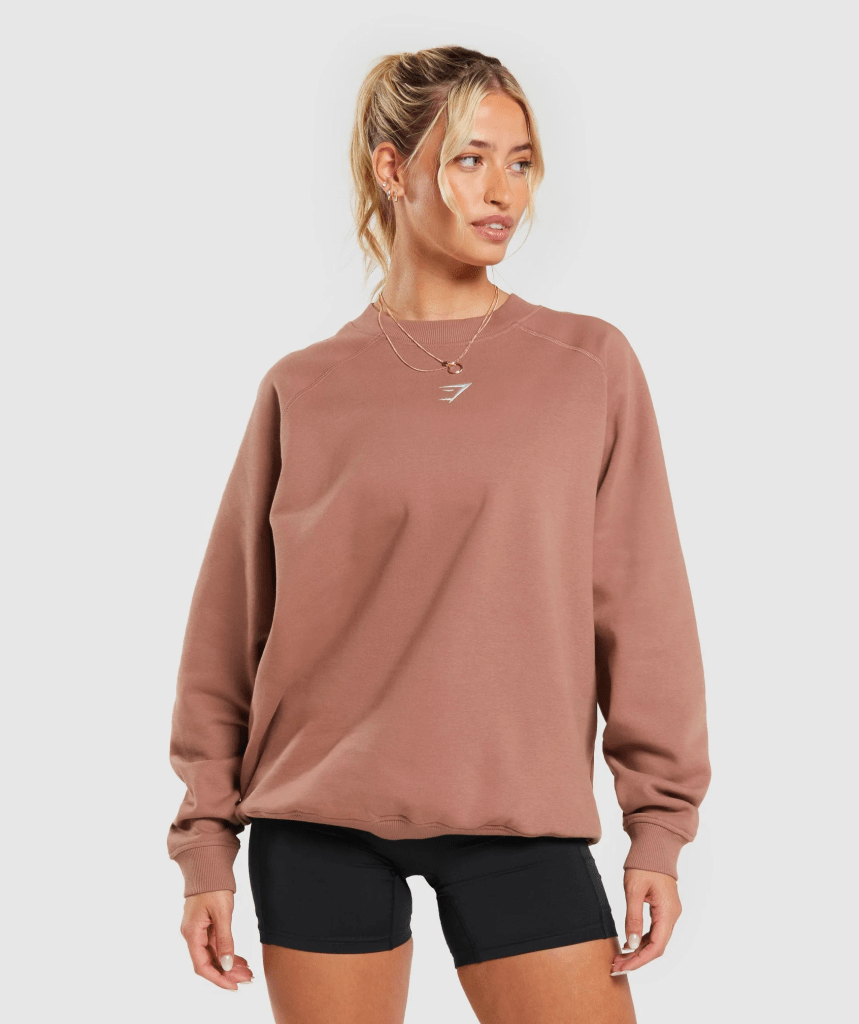
TRAINING OVERSIZED FLEECE SWEATSHIRT – $56

If you have seen me since February of this year, or if you have read my previous article on GymShark recommendations, you’ll know that I basically live in the previous version of the rest-day oversized sweater. It went out of stock pretty quickly, so I wasn’t able to get it in every colour. This is why I will be buying this sweater in multiple colours to make sure my rest days don’t rely on a single sweater. It’s time to share that burden!

So this sweater in the taupe brown is definitely priority number 1! We love a monochrome moment.

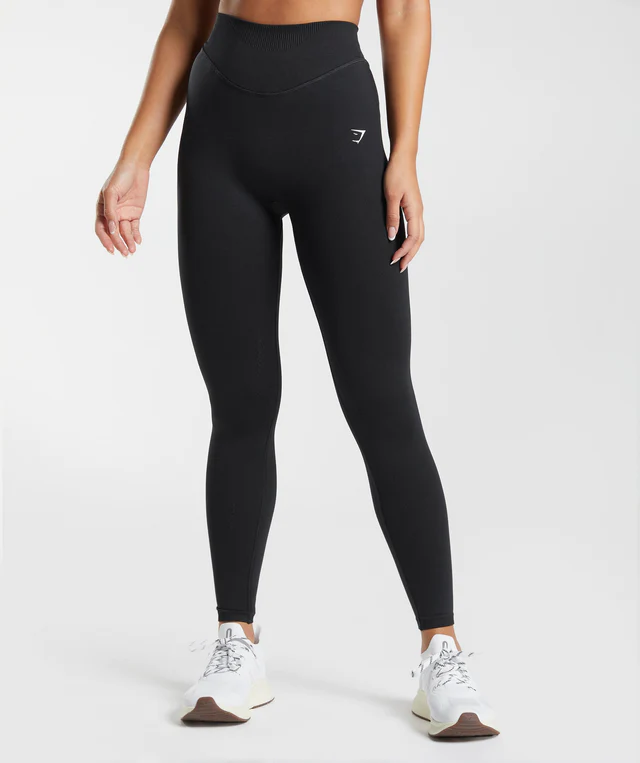
SWEAT SEAMLESS LEGGINGS – $76

The next GymShark product that I will be getting in multiple colours and likely multiple pairs as well is their sweat seamless leggings. I bought the shorts back in February and they are my favourite shorts. I got them in black and orange and was worried that the detail around the waist would accentuate my little belly pooch, but it doesn’t do that. If anything, I find this waist detail actually flatters my waist really nicely. You can check out my pinterest for a few examples of me wearing the shorts.

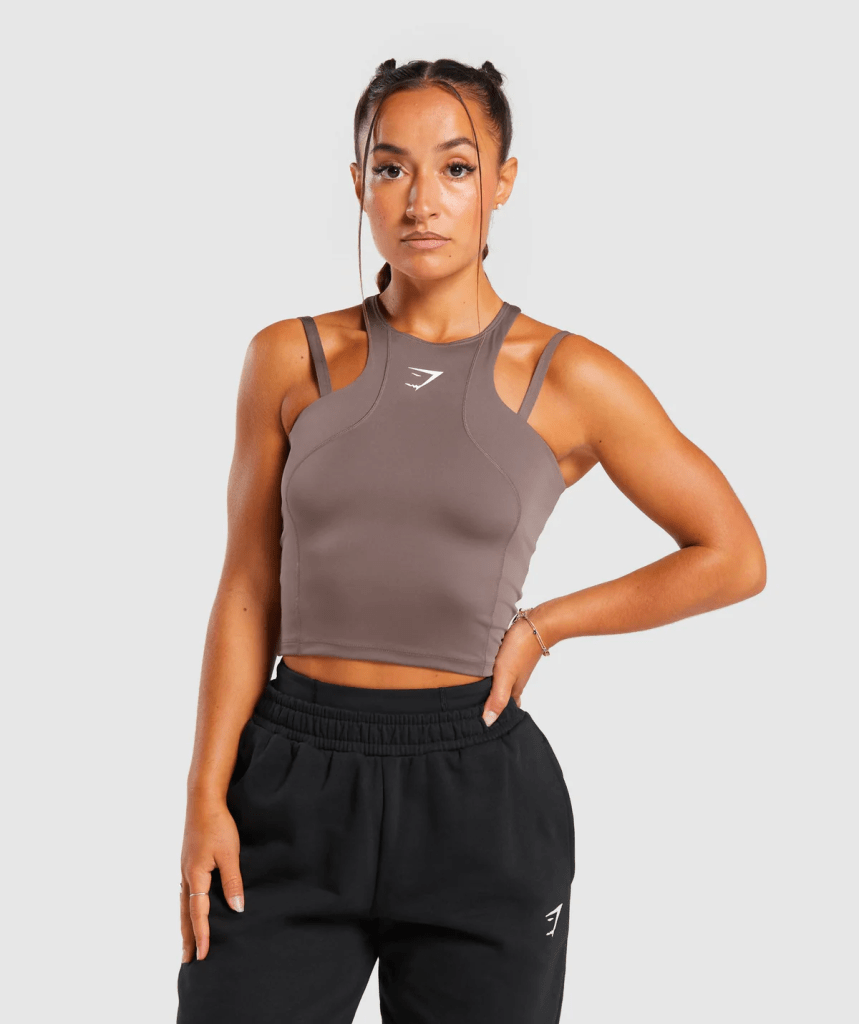
GS POWER MIDI TANK – $48

This tank top is from their newer collection and I find it very interesting. The main neck-line is one that I love as I think it shows off my shoulders (which I work very hard on) in great way. But there’s also those additional straps that brings even more attention to the shoulders. I imagine it also provides additional support. I don’t have a very big chest that requires taming, but I imagine for my bigger chested girlies, this tank top will be a great option.

This mauve colour is also one of my favourite colours that I’ve seen from GymShark and other fitness wear brands.

GFX CREW SOCKS 7PK – $36

No GymShark gift guide is complete without some crew socks. I bought the 3 pack earlier this year thinking I would give the crew-sock trend a try. Safe to safe I am not obsessed with this look. These new crew socks with the different muscle groups printed on them will make choosing my workout outfit so much easier.

Also, pro-tip: buy the crew socks in the multi-packs. A single pair of crew socks is $14, so getting 7 for $36 is a steal!

CROSSOVER SPORTS BRA – $46

And to complete the gymshark gift guide, we have a sports bra. I am actually not a huge fan of a lot of the sports bras they are selling right now. They either look too light, or the cut of the band under the bust goes too low. There’s something about those longer sorts bras that just isn’t comfortable. So this was the best, basic sportbra without too many bells and whistles that looked supportive.

I hope this list inspires you to get in some high-quality workout gear. Which one(s) will you be adding to your wishlist?

The Best At-Home Workout Equipment for Building Strength and Endurance

In today’s fast-paced world, finding time to hit the gym can be a challenge. But worry not, because you can achieve your fitness goals from the comfort of your own home. As a former personal trainer and someone who has been working out from home since I could hold a 3lbs dumbbell, I’ve seen the evolution of at-home workout equipment, and I’m here to guide you through the best options for building both strength and endurance.

  1. Resistance Bands: Versatile and Space-Efficient Resistance bands are a staple in any at-home gym. These simple yet effective tools can target multiple muscle groups, making them ideal for building both strength and endurance. Whether you’re a beginner or an advanced fitness enthusiast, resistance bands can be adjusted to suit your needs. Their compact size makes them perfect for small spaces and easy to incorporate into various exercises.
  2. Dumbbells: Classic Strength Builders Dumbbells are a timeless choice for building strength. They allow for a wide range of exercises, from bicep curls to squats, helping you target specific muscle groups. Investing in a set of adjustable dumbbells can provide versatility and space efficiency, enabling you to gradually increase the weight as you progress.
  3. Kettlebells: Functional Strength and Cardio Kettlebells are fantastic for building functional strength and improving cardiovascular fitness. Swings, snatches, and Turkish get-ups are just a few exercises that can be done with kettlebells. Their unique design challenges your stability and coordination while working multiple muscle groups simultaneously.
  4. Jump Rope: Cardio King Don’t underestimate the power of a jump rope. This simple tool offers an effective cardio workout, improving endurance and burning calories. Plus, it takes up minimal space and is easily portable, making it a great option for those on the go.
  5. Exercise Ball: Core Strength and Stability An exercise ball is perfect for targeting your core muscles while enhancing stability and balance. Incorporate it into your routine for exercises like planks, stability ball squats, and Russian twists. It’s an affordable and space-efficient addition to your home gym.
  6. Pull-Up Bar: Upper Body Strength A pull-up bar can be mounted in a doorway, providing an excellent upper body workout. Pull-ups and chin-ups engage your back, biceps, and core muscles. Over time, you can increase the number of repetitions and build impressive upper-body strength.
  7. Yoga Mat: Comfort and Versatility While it might not be a piece of “equipment” in the traditional sense, a yoga mat is essential for both strength and endurance workouts. It provides comfort during floor exercises, yoga, or stretching routines, allowing you to focus on your form and technique.
  8. Foam Roller: Recovery and Mobility Don’t forget about recovery and mobility. A foam roller can help release tension in sore muscles, enhance flexibility, and improve circulation. Regular use can aid in faster recovery and reduce the risk of injuries.
  9. Treadmill or Stationary Bike: Cardiovascular Fitness For those who have a bit more space and budget, a treadmill or stationary bike is an excellent investment. These machines provide effective cardiovascular workouts, helping to improve endurance and overall health.
  10. Smartphone Apps and Online Workouts: Guidance at Your Fingertips Lastly, consider utilizing fitness apps and online workout platforms. They offer a vast array of guided workouts, from HIIT to strength training, and allow you to track your progress conveniently.

In conclusion, building strength and endurance at home is not only possible but also practical with the right equipment. Select the tools that align with your fitness goals and available space, and remember that consistency and proper technique are key to success. With dedication and the right equipment, you can achieve remarkable results from the comfort of your own home. Happy training!

How to Start Running: Tips for Beginners of All Shapes and Sizes

Hey there, future runners! Whether you’re petite or plus-sized, starting a running journey is a fantastic choice for your health and well-being. As someone who’s been in the fitness world for two decades, I’m here to offer you some friendly advice on how to begin your running adventure with confidence.

Choose the Right Gear

First things first, let’s talk gear! No need for fancy equipment, but invest in:

  • A good pair of running shoes that fit your unique foot shape.
  • Comfortable moisture-wicking clothing to keep you cool and dry.
  • A supportive sports bra for added comfort and confidence.

Start Slow and Listen to Your Body

Running is all about progress, not perfection. Start slow and gradually build your endurance. Listen to your body:

  • Begin with brisk walking and then incorporate short running intervals.
  • Pay attention to any discomfort or pain; it’s okay to take rest days.

Find Your Rhythm

Running is a personal journey. Discover your running rhythm:

  • Experiment with different paces to see what feels best for you.
  • Use music or podcasts to keep you motivated and entertained.

Set Realistic Goals

Set achievable goals that align with your abilities and aspirations:

  • Aim for time or distance milestones that you can gradually work toward.
  • Celebrate every small victory along the way; progress is progress!

Stay Hydrated and Fuel Your Body

Hydration and nutrition are key:

  • Drink water regularly to stay hydrated during your runs.
  • Choose balanced meals that provide the energy your body needs.

Embrace Rest and Recovery

Rest days are just as important as running days:

  • Allow your body time to recover and repair.
  • Use rest days to stretch and do light activities like yoga.

Join a Supportive Community

Consider running with friends or joining a running group:

  • Community support can make the journey more enjoyable.
  • Share your successes and challenges with like-minded individuals.

Be Kind to Yourself

Remember, you’re amazing just as you are:

  • Embrace your unique body shape and size.
  • Don’t compare your progress to others; focus on your personal growth.

Conclusion

Starting your running journey is an incredible step toward a healthier and happier you. No matter your shape or size, running can be a source of joy, achievement, and self-discovery.

Closing Thoughts

Keep in mind that every step you take is a victory. So, lace up those shoes, step outside, and embark on this exciting adventure. You’ve got this, and the running world welcomes you with open arms!

Understanding Heart Rate Variability: A Key to Enhance Your Strength Training Regimen

We often obsess over factors like muscles, strength, endurance, and calories burnt – all essential to any fitness journey. But another critical, and often overlooked, element is Heart Rate Variability.

Brief on the Importance of Heart Rate Variability

Heart Rate Variability, or HRV, is a measure of the variation in time between each heartbeat. This metric is governed by our autonomic nervous system, which regulates our body’s unconscious actions such as breathing and digestion. It reflects the body’s ability to respond to stress, recovery, and adaptation – making it an insightful health metric.

● HRV indicates our body’s stress level and recovery ability.
● It also provides insight into our overall wellness and ability to adapt to training.
● Regular monitoring of HRV can show changes in stress, exercise tolerance, and even lifestyle modifications.

Importance in Strength Training

In the context of strength training, HRV takes on a pivotal role. By understanding and tracking your HRV:

● You can adjust your training intensity, allowing your body enough time to recover from intense sessions.
● It’s a great tool to avoid overtraining and potential injury.
● It helps you maximize your performance and gain optimum results from your workouts.

So, listen to your body, understand its rhythm and it will guide you toward a more effective, rewarding, and sustainable strength training regimen.

What is Heart Rate Variability (HRV)?

HRV describes the variations in time between each successive heartbeat, which is controlled by our autonomic nervous system. Contrary to common belief, a healthy heart doesn’t tick like a metronome.

In-depth definition of HRV

HRV measures the fluctuation in the time interval between consecutive heartbeats. It’s a vital health marker that reflects the adaptive capability of our body, specifically the balance between parasympathetic (rest-and-digest) and sympathetic (fight-or-flight) nervous systems.

• High HRV: indicates good health and a strong ability to handle stress. It suggests a dominant parasympathetic response that promotes relaxation, digestion, sleep, and recovery.
• Low HRV: is usually correlated with fatigue, stress, and even burnout. It indicates a dominant sympathetic response that prepares the body for ‘fight or flight.’

By monitoring HRV levels, you can gauge whether your body has recovered enough for a high-intensity workout or if it needs a rest day.

How is it measured?

In scientific settings, HRV is typically measured using an electrocardiogram. However, for personal use, fitness enthusiasts can use various wearables that come equipped with HRV tracking technologies. Heart rate monitors, smartwatches, and fitness trackers can give you insight into your HRV score. Remember, the aim is consistency rather than swinging for high HRV scores daily. It’s key to use this information wisely to balance your exercise regimen with your body’s needs. Understanding your HRV can help you exercise smarter, not harder.

Importance of HRV in Exercise Physiology

Heart Rate Variability (HRV) plays a significant role in exercise physiology and can help individuals better understand their fitness level and workout effectiveness. Explored in detail, the science behind HRV can finesse your workout regime, contributing to improved performance and recovery.

The role of HRV in physical activity

HRV is essentially the time difference between consecutive heartbeats. These differences can demonstrate how well your body adapts to stress, fatigue, and even illness. The greater the HRV, the better because it shows your heart is capable of shifting gears rapidly and responding to different physiological events. This adaptability is particularly valuable for strength training, where dynamic shifts in intensity and movement are common.

Implications of HRV on workout intensity and recovery

Tracking HRV presents multiple benefits. First, it can guide you on the suitable intensity for your workout on any given day. If your HRV is low, it’s a signal that your body is in distress, and it might be best to take it slow or rest. High HRV, conversely, might suggest readiness for a heavier session. Second, HRV can provide insight into your recovery status after workouts. If you see a sustained drop in your HRV post-exercise, it’s a cue that you might need additional rest or recovery protocols. By understanding and monitoring your HRV, you can train smarter—not harder—and optimize your fitness progress.

The Relationship Between HRV and Strength Training

Understanding the relationship between HRV and strength training requires diving a little deeper into exercise physiology. HRV is essentially the changes in the interval or time gap between one heartbeat and the next. A higher HRV signifies a healthier heart that responds better to stress and recovers more quickly from it, thereby enhancing performance in strength training routines.

What research says about HRV and strength

Numerous studies indicate a direct link between HRV and performance in strength training. Here are some key research findings:

– Research by Kiviniemi et al., conducted on professional athletes, found that high HRV values were linked with improved strength training performance.
– Another study by Edmonds et al. demonstrated that lower HRV often signaled overtraining or physical exhaustion, predominantly in intense strength training programs.

Examples from elite athletes and their monitoring of HRV

Elite athletes extensively monitor their HRV to optimize training and recovery periods. For instance, tennis superstar Novak Djokovic emphasizes his use of HRV tracking to balance his physiological stress levels. Another example is Olympic sprinter Alyson Felix, who utilized HRV data to meticulously plan her workout routines and recovery periods, establishing her dominance on the track. These examples highlight the importance of HRV in boosting the effectiveness of strength training regimens.

How to Improve Heart Rate Variability

Maintaining and improving your Heart Rate Variability (HRV) boils down to the macro and micro decisions you make in your daily life regarding exercise, sleep, nutrition, and hydration. Let’s delve deeper into how each of these factors impacts your HRV.

Type and Intensity of Exercise

One of the primary ways to improve your HRV is through your exercise routine. Various types of workouts can certainly impact HRV. Building buffer days of low-intensity training into your week can help, as both high-intensity workouts and low-intensity sessions have been shown to improve HRV in different ways.

• High-intensity training helps stimulate the sympathetic nervous system and over time, this might help the body become more resilient and therefore elevate HRV.
• Low-intensity or recovery workouts trigger the parasympathetic nervous system, which promotes relaxation and recovery – another crucial part of improving HRV. It’s all about finding the right balance for your body.

Importance of Sleep and Relaxation

Rest and relaxation shouldn’t be underestimated. Good quality sleep and adequate relaxation help the body to recover and restore balance to your autonomic nervous system which in turn, boosts your HRV.

• Establishing regular sleep patterns
• Minimising stress and incorporating mindfulness activities such as yoga and meditation can significantly help your body rest and recover.

Balanced Nutrition and Hydration

Lastly, what goes into your body can affect your HRV. Adequate hydration and balanced nutrition – filled with whole foods, the right balance of macronutrients, and limited refined sugars – are essential to support this.

• Hydrating your body properly before and after a high-intensity workout.
• Consuming a range of nutrient-dense whole foods that support the body’s natural functions can contribute to better HRV.

In conclusion, taking a comprehensive approach to your wellness that includes a balanced mix of different exercise intensities, and incorporating good sleep habits, and nutrition can support your HRV health which in turn enhances your strength training.

Implementing HRV in Your Strength Training Regime

It’s one thing to talk about the potential benefits of Heart Rate Variability, but how exactly do you implement it into your existing strength training regimen? Understanding how to read HRV trends and adjust your workouts accordingly is a crucial first step.

Identifying and Interpreting HRV Trends

The first step to unlocking the power of HRV is understanding how to identify and interpret HRV trends. Here’s how:

– Use a reliable heart rate monitor to get accurate data.
– Monitor your HRV first thing in the morning for consistency.
– Look for fluctuations in your HRV. Don’t worry if it rises and falls a bit – that’s normal!

These fluctuations can be affected by a variety of factors such as stress, diet, sleep, and more. Remember, high variability is a good thing – it indicates that your body is responsive to changes in its environment while a low variability suggests that your nervous system may not be adapting optimally.

Adapting Your Workouts Based on HRV

Once you have a good grasp of your HRV trends, you can start dynamically altering your workout schedule based on these readings. If your HRV is higher than your baseline, it means your body is ready for an intense workout. However, if it’s lower, you might want to consider a lighter training day or even rest. Working out in alignment with your HRV can help you avoid over-exertion, optimize recovery, and ultimately increase your strength training performance.

Common FAQs About HRV and Strength Training

Let’s take a closer look at some frequently asked questions about Heart Rate Variability and its relationship to strength training.

How does HRV differ from heart rate?

Heart rate and Heart Rate Variability (HRV) might seem similar, but they are quite different. Your heart rate refers to the number of heartbeats per minute. On the other hand, HRV measures the variation in the time interval between heartbeats. Instead of a steady rhythm, a healthy heart actually fluctuates a bit, and that’s where HRV comes into play. Your HRV can give you an indication of your body’s response to stress, health status, and even fitness level.

Does age affect HRV and strength training outcomes?

Absolutely. As we age, our HRV tends to decrease, meaning there will be less variability in between heartbeats. This reflects on our body’s capacity to withstand stress and recover quickly, influencing strength training outcomes. However, regular exercise, including strength training, can boost your HRV regardless of age. Therefore, it’s important not to overlook strength training as a key component of one’s fitness regime, especially as you get older. Realistically, maintaining a good HRV level, coupled with consistent strength training, can help pave the way for not just better physical performance, but also overall wellness.

Conclusion

Recap of the importance of understanding HRV

Heart Rate Variability is not a passing health trend or an exercise fad. It is backed by substantial research in exercise physiology. Being able to interpret your HRV data can have a substantial impact on your ability to optimize your strength training workouts, and thus it is quintessential to understand its significance. Here’s why:

– HRV provides insight into your body’s response to training and can signal if you’re pushing too hard or not hard enough.
– It indicates your level of recovery, which is crucial in planning your next training session.
– By keeping an eye on your HRV, you can reduce the risk of overtraining and related injuries.

Final thoughts and advice on incorporating HRV into workout routines

Incorporating HRV into your strength training regimen needn’t be a daunting task. Start by investing in a reliable tool that provides HRV data. Remember, consistency is key; monitor your HRV routinely for a more accurate insight into your body’s physiological state. Lastly, have patience; it might take some time to identify patterns and understand how best to adjust your training based on your HRV score. Embrace the journey, use HRV intelligently and you’re bound to see enhancements in your strength training performance.