
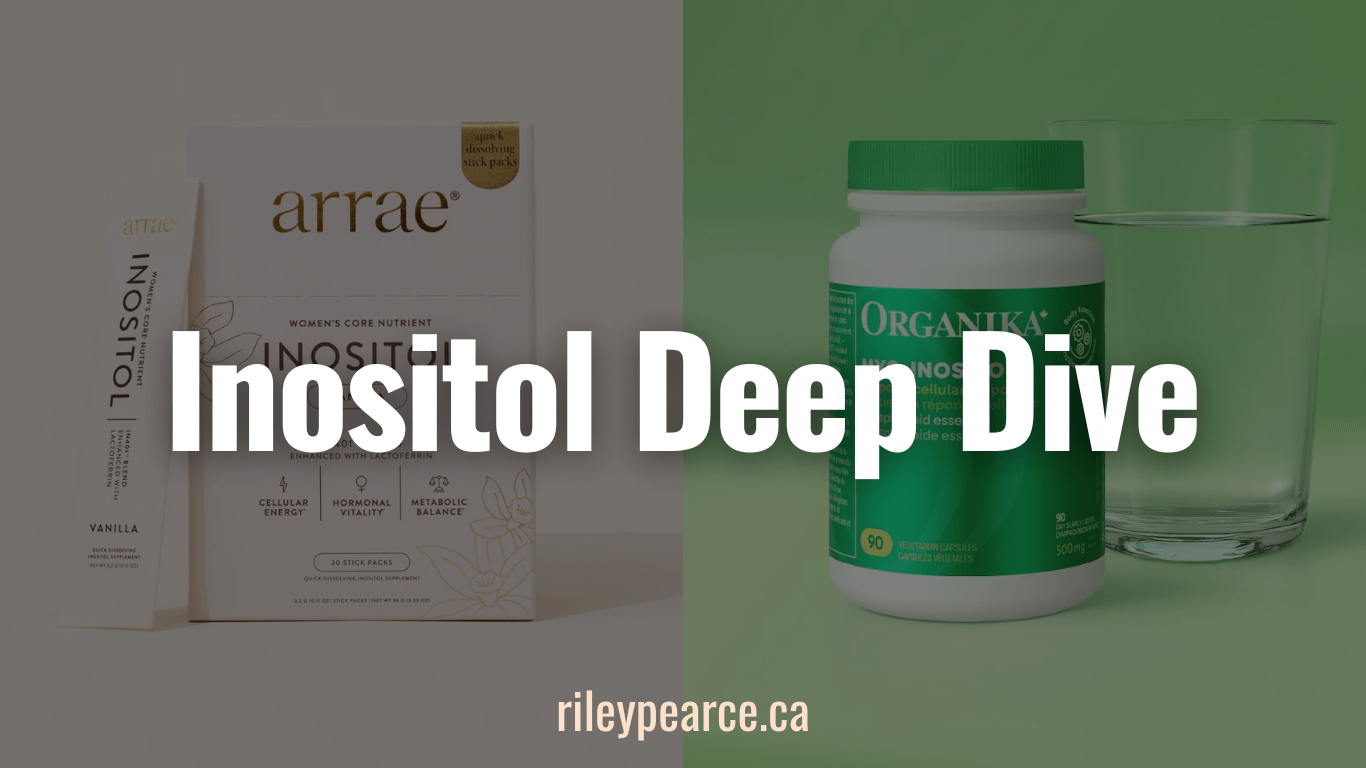
If you’ve been scrolling through your wellness feed lately, you’ve likely seen a particular word popping up more than your favorite oat milk latte: Inositol. It’s being hailed as a “hormone hero” for women navigating the choppy waters of irregular cycles, mood swings, and metabolic stalls.
But as someone who always wants to know the why behind the what, I found myself falling down a deep research rabbit hole.
Is inositol just another trendy supplement, or could this be the supplement discovery of the year?
I spent the last few weeks digging into the latest clinical research from 2023 through early 2026, and the results are honestly fascinating and make me wish I knew about this when I was struggling through post-birth-control syndrome symptoms.
From the Ovarian Paradox to how different brands are formulating this B-vitamin-adjacent compound, let’s get into the nitty-gritty of whether Inositol is right for your hormonal support routine.
The TL;DR: What You Need to Know
- What is it? Inositol is a carbocyclic sugar (not actually a vitamin!) that helps your cells translate and activate hormonal messages, especially insulin and follicle-stimulating hormone (FSH).
- The Magic Ratio: Research suggests a 40:1 ratio of Myo-Inositol (MI) to D-Chiro-Inositol (DCI) is the gold standard for restoring hormonal balance and ovulation.
- Product Stack-Up: Arrae offers a premium, vanilla-flavored 40:1 stick pack with added skin and immune boosters. Organika is the high-purity, budget-friendly bulk option for those who want pure Myo-inositol. IM8 Daily Ultimate Essentials contains a foundational dose (400mg), but likely not enough for clinical-level hormone repair.
- Who is it for? It’s most effective for PCOS, insulin resistance, and potentially mild PMDD symptoms, but you should always incorporate this type of supplement slowly to avoid stomach upset.
The Science: Why Inositol is the “Phone Line” for Your Hormones
To understand why inositol is showing up everywhere, we have to look at how our cells communicate. Think of your hormones like text messages. If your ovaries or your metabolism are working perfectly, those messages are delivered and read instantly.
But for many of us, the “reception” is bad. This is where inositol comes in. It acts as a “second messenger”, or kind of like the cell’s internal Wi-Fi, that ensures the signal from hormones like insulin or Follicle-Stimulating Hormone (FSH) actually triggers a response.
In the human body, inositol primarily exists in two forms: Myo-Inositol (MI) and D-Chiro-Inositol (DCI).
- Myo-Inositol is the heavy lifter for glucose uptake and egg quality. The message it is sending to the cells is “let the sugar in!”
- D-Chiro-Inositol handles glycogen synthesis and regulates androgen (like testosterone) production.
In a healthy body, we maintain a strict 40:1 ratio of MI to DCI. But when we hit a state of insulin resistance, something called the “Ovarian Paradox” can happen.
Systemic insulin resistance causes the ovaries to over-convert MI into DCI. This leaves the ovaries starving for MI (which ruins egg maturation & quality) and flooded with DCI (which spikes testosterone, causing acne and hair growth).
Research published between 2023 and 2025 suggests that supplementing with that 40:1 ratio can actually “re-sync” this internal clock.
My Personal Connection to Inositol and the Ovarian Paradox
I have written about this before on my blog that between 2018-2019 I went through a really difficult period with my hormones. I had stopped taking my hormonal birth control with no education, preparation of basic understanding of how this would impact my body.
Over the course of about 18 months, I only had 3 period,s and my skin broke out in a way I had never experienced before.
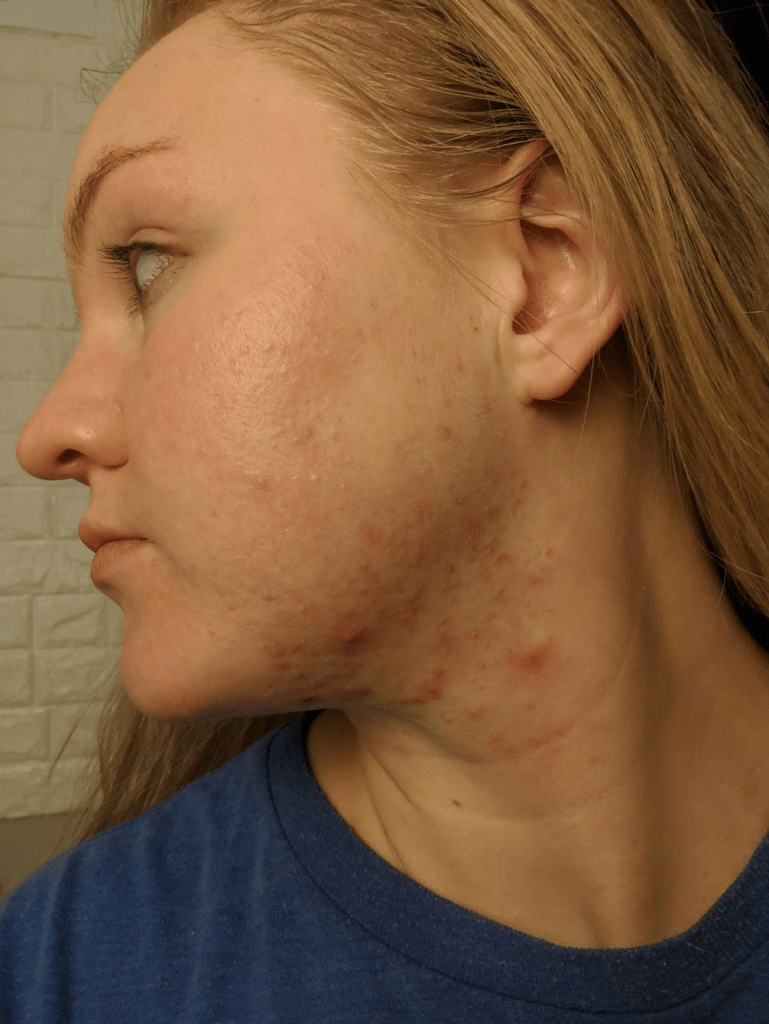
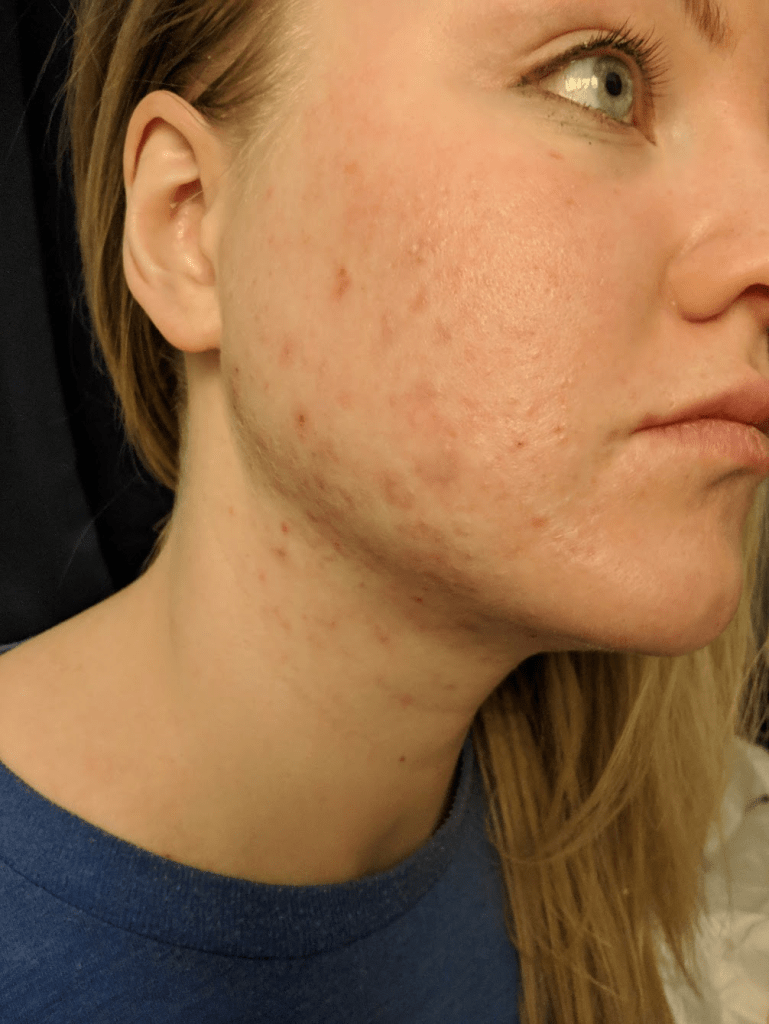
I had no idea what was going on and was trying all kinds of topical remedies, diets, and expensive facials to try to correct this.
Through this process, I did discover that the breakouts and lack of periods were due to hyperandrogenism, which is basically a hormonal rebound of testosterone after coming off the pill. The body’s testosterone had been suppressed for so long because of the pill that when I took away that blocker, my body overproduced it.
After going through the research on inositol, I am realizing that my myo-inositol to d-chiro-inositol was probably way out of balance, and that supplementing with this could have helped regulate my periods and my skin, and I wouldn’t have had to go back on the pill.
Now that I know about this, evaluating inositol products from brands I trust is helping me feel more comfortable with getting off the pill for good in the future. If you’re considering getting off the pill, or have recently and are starting to experience adverse symptoms, I hope this next section is helpful to you.
Arrae vs. Organika: Which High-Quality Inositol Supplement is Right For You?
When it comes to actually buying inositol, I wanted to look at two brands that I trust. Additionally, Arrae just recently released their inositol supplement, so it seemed like a good time to review the options and understand who the supplements are made for.
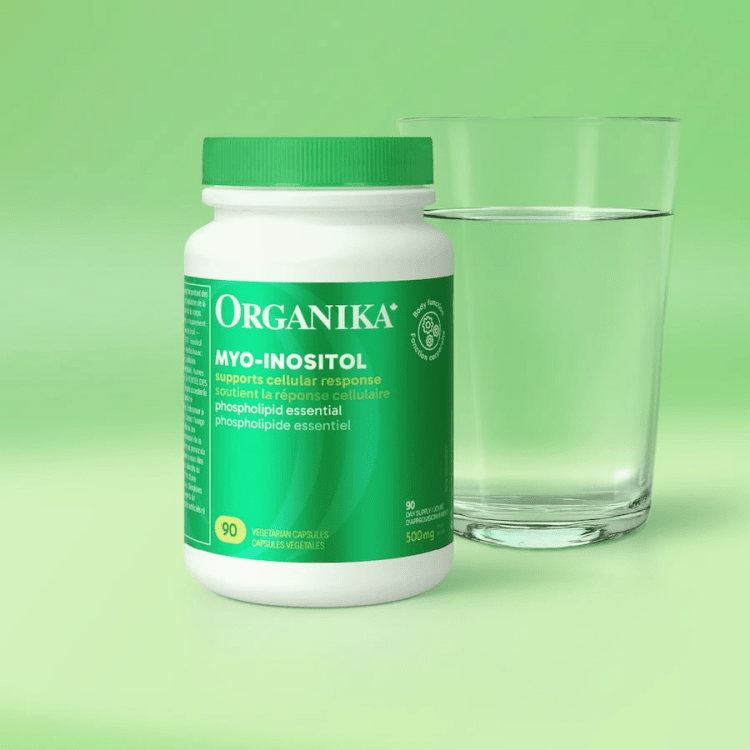
Organika has been a staple in my pantry for years because they do the basics so well. Their Myo-Inositol is high-purity and comes in pill form or in a flavourless powder. If you are someone who needs a high dose for mood support (some studies for depression use up to 12g-18g), Organika is a great option because you can measure out exactly what you need without breaking the bank. It’s unflavoured and dissolves in anything.
Arrae, on the other hand, just launched their Inositol powder, and they’ve taken a very “2026 wellness” approach. Instead of just giving you the raw material, they’ve formulated it into a Vanilla Stick Pack. It uses that clinical 40:1 ratio, which is huge for anyone struggling with cycle regularity.
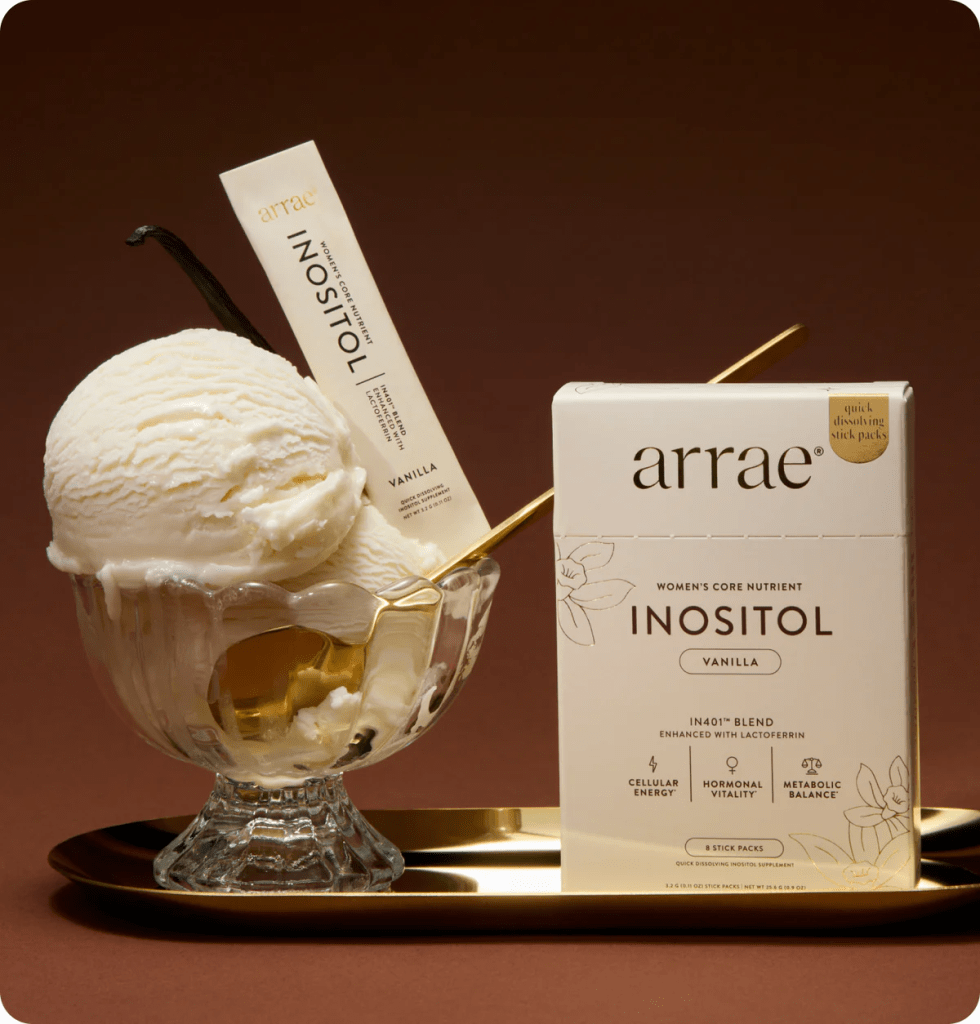
But they didn’t stop there—they added Effera™ Lactoferrin (for gut and immune health) and Quatrefolic® Folate, which is the form of folate your body can actually use. It’s designed to be a melt-in-your-mouth ritual, no water needed.
Here’s how the two products from the two brands compare:
| Feature | Organika Myo-Inositol | Arrae Inositol Powder |
| Formulation | 100% Pure Myo-Inositol | 40:1 MI to DCI Ratio |
| Format | Bulk Powder or 500mg Capsules | Individual Vanilla Stick Packs |
| Additional Ingredients | None | Lactoferrin, Folate (5-MTHF) |
| Taste Profile | Unflavored, naturally slightly sweet | Vanilla |
| Portability | Low (requires measuring) | High (tear and go) |
| Best For | Budget-conscious, high-dose MI needs | Hormonal balance, cycle regularity, chic ritual |
| Price (Approx.) | ~$65 – $78 per 500g | $60.00 for a 30-day supply |
Where does IM8 fit in?
If you’ve been following the blog for a while, you know I am a pretty big fan of IM8’s daily essentials product and have been taking it with great results for the past year. Whenever I come across a new supplement that looks like it could be a good fit for my routine, I always check if IM8 already has been covered.
In most cases, they do, and in this case, they kind of do.
After digging into the label, I found that IM8 Daily Ultimate Essentials does contain 400mg of Inositol.
Now, let’s put that into perspective. In the clinical trials that showed a 65% restoration of regular menstrual cycles, participants were taking 4,000mg daily (usually 2,000mg twice a day) .
So, while IM8 is an incredible foundational supplement for things like CoQ10, MSM, and probiotics, its inositol content is “foundational”, and so not sufficient to really see the benefits of inositol supplementation.
The IM8 dosage supports basic cellular health and nervous system signaling, but it isn’t a therapeutic dose for someone trying to manage PCOS or severe hormonal fluctuations. If you’re taking IM8, you might still need to “stack” it with something like Arrae or Organika if you’re specifically targeting hormonal health.
Should You Actually Add It to Your Routine?
I’m always wary of the take-everything approach and have been honest about how skeptical I am about trending supplements. Supplement fatigue is real and there’s a lot of garbage products out there taking advantage of people’s real health concerns.
Based on the latest meta-analyses (2023-2025), here is who should seriously consider adding inositol:
- The PCOS Warrior: If you have high androgens (acne, hair thinning) or irregular cycles, inositol is one of the few natural supplements that rivals the pharmaceutical Metformin in efficacy, but with way fewer stomach issues.
- The “Hangry” Girl: If you find your energy crashing at 3 PM or you have intense sugar cravings, inositol’s role in insulin sensitivity can help level those out.
- The PMDD Sufferer: There is emerging (though still mixed) research that low-dose MI (around 2g) during the luteal phase (the week before your period) can help stabilize serotonin signaling and reduce that “dark cloud” feeling .
- The Fertility Focus: Improving egg quality is a major research highlight for myo-inositol, especially for those undergoing IVF.
As always, please speak with your doctor if you’re unsure about taking inositol.
The “Inositol Tummy” Warning:
Even though it’s safe, jumping straight to 4,000mg can cause stomach upset. Most experts suggest starting with 2,000mg (one serving of most powders) once a day for two weeks, then moving to twice a day.
My Final Thoughts on Inositol
It’s rare to find a supplement where the science is this consistent. Creatine is one of the only supplements with this kind of scientific support. Usually, we see one small study and a lot of marketing fluff. With inositol, we have decades of data being refined to help us explain exactly why it works at the cellular level.
If I were starting today and wanted to use it to help me transition off of the hormonal birth control, my pick would be Arrae. The 40:1 ratio and the addition of folate make it a the most ideal formulation to help re-sync my hormones.
Once my body feels re-synced, I think Organika would suffice as a maintenance inositol.
And if you’re already an IM8 fan, keep at it! Just recognize that the inositol in there is a nice to have, and not core driver of what makes IM8 such a unique supplement.
Frequently Asked Questions (FAQ)
Q: Can I take inositol if I don’t have PCOS?
A: Absolutely. While it’s the gold standard for PCOS, it’s also been studied for general metabolic syndrome, gestational diabetes prevention, and even panic disorder . If you struggle with insulin spikes or “fluctuating hormones” in general, it can be a great balancer.
Q: Is inositol safe during pregnancy? A: Yes, many studies use up to 4g of myo-inositol during pregnancy to reduce the risk of gestational diabetes. However, the data for breastfeeding is limited, so it’s best to check with your OB-GYN first .
Q: How long does it take to see results? A: Most clinical trials show that while metabolic markers (like insulin) might move in a few weeks, cycle regularity and hormonal changes usually take 3 to 6 months of consistent use.
Q: Does it interact with other medications?
A: The biggest concern is for those on diabetes medications (like insulin or Metformin). Since inositol also lowers blood sugar, taking them together could cause your levels to drop too low (hypoglycemia) .
Q: Why does the ratio matter so much? A: Because your body uses MI and DCI for different things. Too much DCI can actually be detrimental to egg quality, while too little MI prevents cells from taking in sugar. The 40:1 ratio mimics what is naturally in your blood, providing the “best of both worlds”.
Q: Can I just get inositol from food? A: You can! It’s in cantaloupe, citrus fruits, beans, and grains. However, the average diet only provides about 1 gram per day, which is far below the therapeutic doses (2g-4g) used in clinical research .



 Riley Pearce