
We are officially 3 weeks into 2026 and have survived another Blue Monday. In the northern hemisphere, we are also getting through a very cold, very snowy, very windy winter, adding another layer of difficulty to those New Year’s Resolutions we set.
I have always loved setting New Year’s Resolutions, and this year is an extra special year because not only is my astrology chart predicting success this year, but it is also my sister’s wedding, where I will be her maid of honour.
Let me tell you – supportive sister mode is in overdrive, and one of the things my sister and her fiancé are doing to prepare for their wedding is make some lifestyle changes. More specifically, they are adopting a ketogenic lifestyle this year to ensure their brains are clear and their bodies are running on good, clean energy.
Where do I fit into this? Well, as a supportive sister, I am also adopting this lifestyle to act as another accountability buddy to their household.
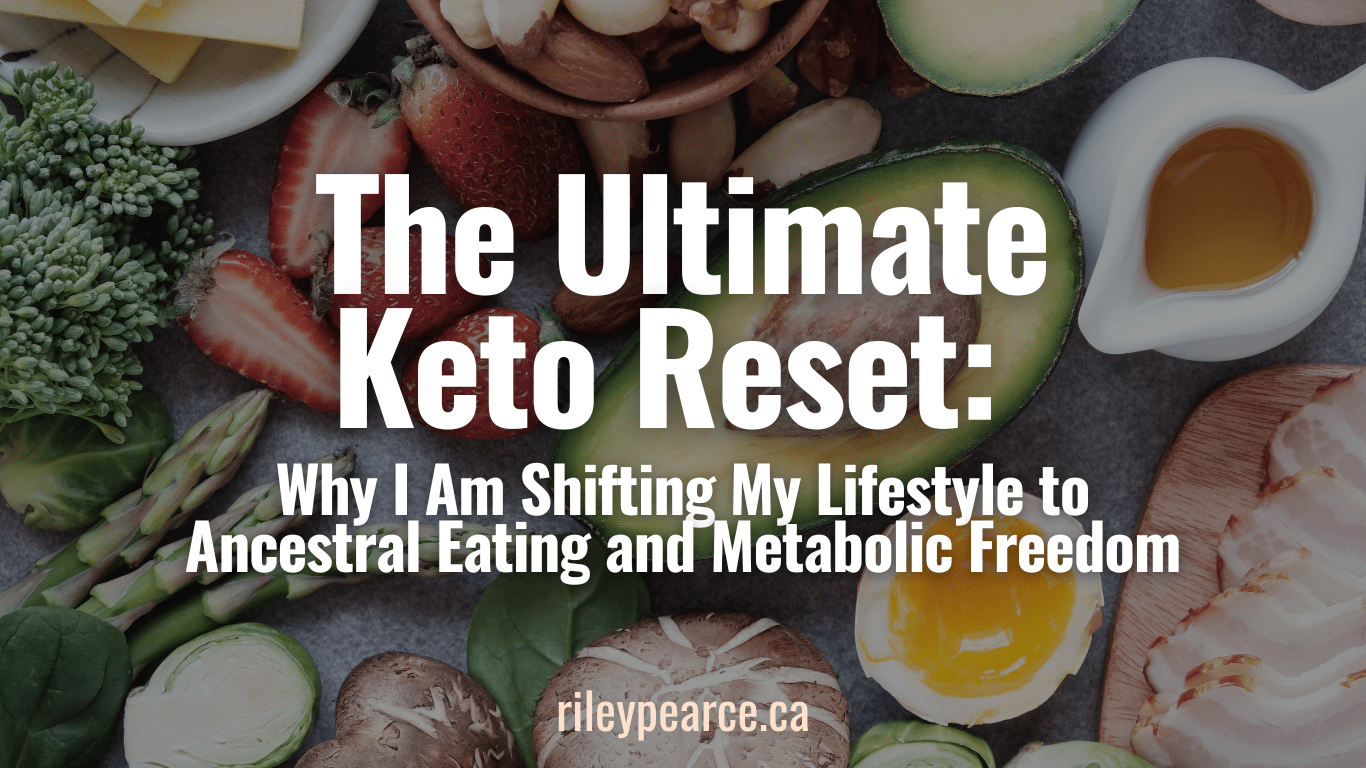
The Ketogenic diet is often seen as a trend or a fad, but it is actually deeply rooted in history and science, and from my past experiences living a ketogenic lifestyle, the results are just as good as people say they are, with the least amount of restriction I’ve come across in any diet.
So for this blog, I thought I’d share more information about what the ketogenic diet is, how to live a ketogenic lifestyle and share more about how I am living the keto life every day.
What is “Keto”?
At its core, the Ketogenic diet is a high-fat, moderate-protein (0.7g per 1lb of bodyweight), and very low-carbohydrate (<50g) way of eating. The goal is to shift your body’s primary fuel source from glucose (sugar) to ketones. Ketones, or ketone bodies, are acids your body makes when it is using fat instead of glucose for energy.
Normally, your body breaks down carbohydrates into glucose for energy. When you restrict those carbs to under 50 grams a day, your liver begins to break down fat into molecules called ketones. When your blood contains a certain level of these ketones, you are in a state of ketosis.
In one of my previous blogs, I talk all about the benefits of fat in your diet and in your body. Fat stored in the body is there for a number of reasons such as supportive hormone production and regulation, insulation, and also energy storage. In ancient times when we didn’t have supermarkets around the corner, our bodies adapted to store energy in fat cells so that we had energy to keep us going when food was scarce.
Being in ketosis, or having the body run on ketones, is a very primal and natural way for our body to burn energy stores when the easy energy (carbs) is in low supply, or when we are intermittent fasting.
A Brief History: From Clinical Tool to Lifestyle Revolution
The “Keto” diet wasn’t invented by an influencer in 2018. Its roots are deeply clinical and surprisingly ancient.
- Ancient Roots: Hippocrates, the father of medicine, noted that fasting could treat various ailments, including “the sacred disease” (epilepsy). Fasting puts the body into ketosis naturally.
- The 1920s Clinical Boom: In 1921, Dr. Russell Wilder at the Mayo Clinic developed the “Ketogenic Diet” specifically to mimic the metabolic effects of fasting to treat children with epilepsy who didn’t respond to medication. It was the standard of care for a decade.
- The 1990s Resurgence: After fading out due to new anti-seizure drugs, Keto had a massive comeback in 1994 when the story of Charlie Abrahams (son of Hollywood director Jim Abrahams) went viral. The Charlie Foundation was born, and the world began to realize that this clinical diet had profound effects on the brain and metabolism.
- The 2026 Biohacking Era: Today, we use Keto not just for clinical reasons, but for metabolic flexibility, ie. the ability for our bodies to switch between fuel sources seamlessly.
In my life’s history, I tried the keto diet when I was coming off of the contraceptive pill in the late 2010’s after seeing my mom try the diet for weight loss, and my sister try it for clearing her skin and better performance at work. At the time I just saw it as another diet trend and was very skeptical, but as a personal trainer, I was always game to try these things so I could speak from first-hand experience if my clients ever had questions.
The results were shocking. From clearer skin to endless energy, to better focus and zero brain fog, I found that living a ketogenic lifestyle was one of the easiest lifestyle changes I could have made with the best results.
I also always like to note that if you are like me and the contraceptive pill has impacted your libido, the ketogenic diet brings it right back.
The Ancestral Connection: Paleo vs. Keto
You’ll often hear Keto mentioned alongside the Paleo or Ancestral movements. While they are different, they are cousins.
- Paleo focuses on the type of food (no grains, no legumes, no dairy) as a way to avoid modern inflammatory foods.
- Keto focuses on the macronutrient ratio (high fat, low carb) to change your metabolism. There are clear, scientific guardrails to help you understand what is and isn’t keto, and when you are or are not in ketosis.
The ancestral perspective argues that our hunter-gatherer ancestors were naturally in and out of ketosis all the time. They didn’t have 24/7 access to high-sugar fruits or processed grains. They ate seasonally, hunted fat-rich animals, and went through periods of “fasting” when food was scarce. By adopting Keto, we are essentially reclaiming our biological heritage.
The Deep Science: Autophagy and Running on Ketones
One of the reasons I am personally so excited about this lifestyle shift is a magic word that is often associated with intermittent fasting, but more recently, lots of supplements say that they can trigger this. That magic word is autophagy.
The word literally means “self-eating.” It is your body’s internal recycling program. When you are in a state of ketosis, especially when paired with intermittent fasting, your cells begin to identify old, damaged proteins and organelles and clean them out.
Why Autophagy Matters:
- Cellular Longevity: It helps prevent the buildup of cellular “junk” that leads to aging and disease.
- Skin Health: As we discussed in a previous post on NMN, cellular repair is vital for protecting against UV damage and melanoma. Autophagy is the “mechanic” that keeps those repair systems running.
- Brain Power: Ketones are considered a cleaner fuel for the brain. They produce fewer reactive oxygen species (ROS) than glucose, meaning less brain fog and more focus.
Who is the Keto Diet NOT Suitable For?
Even though I have had great experiences with this lifestyle, it is really important that I mention who this lifestyle is not for, and who should speak with their doctor before trying a ketogenic lifestyle. So, before you go and clear out your pantry, please consult with your doctor, especially if you fall into these categories:
- Type 1 Diabetics: There is a risk of diabetic ketoacidosis (a medical emergency).
- Kidney Disease: The higher protein and metabolic changes can put extra stress on the kidneys.
- Pregnancy or Breastfeeding: Your body needs a higher amount of carbohydrates to support growth and milk production.
- History of Eating Disorders: The restrictive nature of tracking “macros” can be a trigger for some.
- Pancreatic or Gallbladder Issues: Since these organs are responsible for fat digestion, a high-fat diet may be physically difficult to process.
The First Week: What to Watch Out For
Being in ketosis is great, but you have to get there first. In our world where high carb diets are the norm, switching to a ketogenic lifestyle will come as a shock to your body. and it will put up a fight before you get to enjoy all the wonderful benefits of this lifestyle.
The first 3 to 7 days are the transition period. As your body burns through its remaining sugar stores and prepares to switch to fat, you might feel a bit… off.
1. The “Keto Flu”
Symptoms include fatigue, irritability, and “brain fog.” This happens because your body is dumping water as it loses glycogen (the storage form of sugar).
The Fix: Drink more water than you think you need. If it is especially bad, get yourself a good electrolyte mix (zero sugar variety).
2. Headaches and Muscle Cramps
As you dump water, you also dump electrolytes (sodium, potassium, and magnesium).
The Fix: Salt your food liberally! A cup of bone broth with a pinch of high-quality sea salt can often cure a keto headache in 20 minutes.
3. Stomach Upset
Switching from low-fat to high-fat can be a shock to your digestive system.
The Fix: Don’t just drink oil! Prioritize the healthy fats (avocado, olive oil, nuts) and be sure to get lots of fiber from leafy greens and cruciferous vegetables like brocolli and cauliflower.
The Power of Intermittent Fasting (16:8)
As we’ve mentioned already, intermittent fasting is technically the fastest way to get into ketosis. So to help kickstart your transition into a ketogenic lifestyle, I highly recommend combining Keto with Intermittent Fasting (IF). The most popular protocol for women in 2026 is the 16:8 method.
- How it works: You fast for 16 hours (including sleep) and eat all your meals within an 8-hour window (e.g., 11 AM to 7 PM).
- Why it works for Keto: Fasting forces your body to burn through its glucose stores faster, pushing you into ketosis in 48 hours instead of a full week.
This may feel really tricky at first, especially if you’ve never tried intermittent fasting before. If you find it too difficult and that you end up overeating when you break your fast, don’t worry about it.
Focus on getting into ketosis with your food choices first. Intermittent fasting will become much easier to do once you are in ketosis as your body gets used to running on a more sustainable fuel source than carbohydrates.
Your 7-Day Keto Kickstart Meal Plan
This plan is designed to be simple, delicious, and “9-5” friendly. If you’d like to grab a couple cookbooks to give you a few more ideas, I have found some of my favourites from the following books:
- The Keto Diet. This was the book that taught me so much about the lifestyle and I still make many of the recipes listed in this book.
- The Keto Reset Diet. This is the book that I purchased to support this latest effort to get back into ketosis. Mark Sisson is great at clearly outlining what it takes to get into ketosis, but isn’t so scary and strict either.
| Day | Breakfast (11 AM) | Lunch (2 PM) | Dinner (6:30 PM) |
| Mon | 3 Eggs scrambled in butter with spinach & avocado. | Large cobb salad with chicken, bacon, and parmesan cheese. | Baked salmon with asparagus and garlic butter. |
| Tue | Choco-chia overnight bowl (from the Keto Reset Diet). | Lettuce-wrapped grass-fed beef burgers with pickles. | Zucchini noodles (“Zoodles”) with pesto and shrimp. |
| Wed | Omelet with mushrooms, feta, and bell peppers. | Leftover salmon over a bed of mixed greens and olive oil. | Steak with sautéed kale and a side of olives. |
| Thu | Boiled eggs and sugar-free sausages. | Tuna salad with avocado oil mayo in cucumber “boats.” | Roast chicken thighs with cauliflower mash. |
| Fri | Keto Breakfast wraps. | Charcuterie plate: Salami, hard cheeses, and almonds. | Ground turkey taco bowl (no rice) with extra guac. |
| Sat | Keto Pancakes (Almond flour base) with sugar-free syrup. | Grilled chicken caesar salad (no croutons). | Pork chops with roasted Brussels sprouts and bacon bits. |
| Sun | Bulletproof Coffee or Matcha with 2 soft-boiled eggs. | Egg salad lettuce wraps with pumpkin seeds. | Slow-cooked beef brisket with a large side of broccoli. |
The “Emergency” Snacks
- Parmesan Crisps: These satisfy the “crunch” craving that usually leads people back to chips. You can make them at home pretty easily, or pick up some pre-made ones here.
- Mixed Nuts: I typically get a big bag of mixed nuts from Costco. The real, keto heavyweight nuts are cashews and macadamia nuts for their high fat content. But an assortment is great. Salted is fine, just make sure to avoid any sweetened or coated nuts.
- Sugar-Free Beef Jerky: Great for post-workout protein without the hidden sugars found in standard brands. Again, I typically get the Kirkland steak jerky from Costco, but as long as you choose one that isn’t high in sugar or nitrates, you should be OK.
- Fat Bombs: These are fun snacks that you can tailor to your taste buds. One of my favourite recipes is for a cheesecake fat bomb with cocoa nibs.
Final Thoughts: Focus on Resilience
Transitioning to Keto is a marathon, not a sprint. As I write this, I am on day 7 of my keto lifestyle and have had a persistent headache, despite deploying all of the headache busting tricks. It is just part of the journey, and I know tomorrow I will wake up feel better.
I’m really excited to get back into ketosis fully and start benefiting from more energy and better focus throughout the day. I hope that this blog gave you more insight into the keto diet, but it was not written to convince you to try the keto diet. I just wanted to share what I’m up to, and if that inspires you great! Let me know down below if you’re trying the keto diet, or another lifestyle change as part of your New Year’s Resolutions.


 Riley Pearce