
Affiliate Disclosure
Affiliate Disclosure: Please note that this article contains affiliate links. This means that if you click through the links and make a purchase, I may earn a small commission from that purchase at no extra cost to you. To learn more about affiliate marketing and how I use the income from affiliate inks, check out my affiliate page.
A few months ago, I shared my experience post-birth-control-syndrome (PBCS) on the blog because I wanted to highlight how complex a woman’s body is, share my experience so women didn’t feel alone in their experience, and touch on the importance of a balanced diet to support your female reproductive system.
From experiences like the one I had with PBCS, you can learn a lot about your body and how it responds to things like the contraceptive pill. One of the most interesting things I learned through that experience was the impact PBCS has on nutrient absorption in the body.
We often hear about other side effects like nausea, mood swings, and weight gain, but we rarely hear about how exactly these synthetic hormones are interacting with the other systems in the body, and how those interactions manifest themselves in our day-to-day lives.
Here’s a hint: they are the root cause for the symptoms everyone talks about.
So, in this blog, I’d like to take you through the various nutrients that are impacted by taking oral contraceptives. I always want to make it clear that I am currently taking the pill, so I do not pass judgment on anyone who is also on the pill. If anything, I hope this blog helps you feel more empowered to take control of your health and find ways to ensure you get enough of these vital nutrients.
How The Pill Can Influence Your Nutritional Landscape
Oral contraceptives, or the pill, are able to prevent pregnancy through several complex systems. Typically, they contain a combination of synthetic estrogen (ethinyl estradiol) and progestin. They are able to prevent pregnancy by blocking ovulation, suppressing the pituitary gland’s production of Follicle-Stimulating Hormone (FSH) and Luteinizing Hormone (LH). This prevents the ovaries from releasing an egg during that phase of your menstrual cycle.
The pill also modifies the uterine lining to make it inhospitable to implantation and thicken cervical fluids, which makes it very difficult for sperm to reach the uterus or any stray eggs.
In order to prevent one of the most ancient processes in a woman’s body to occur as it has for millenia, we must make sacrifices elsewhere in our bodies. The contracepative pill does so in a number of ways:
- Altered Hormone Balance: The synthetic hormones in the pill fundamentally changes the body’s natural hormone balance, which in turn influences multiple biochemical pathways. This alteration can directly affect how the body absorbs, distributes, and utilizes specific nutrients. For instance, elevated levels of synthetic estrogen and progestins can modify the metabolism and function of certain vitamins. This is not merely a random side effect; it represents a systemic shift in fundamental metabolic and digestive processes. The pervasive nature of this hormonal influence means that nutrient depletion is a consequence of how these synthetic hormones interact with the rest of the body’s natural systems and processes.
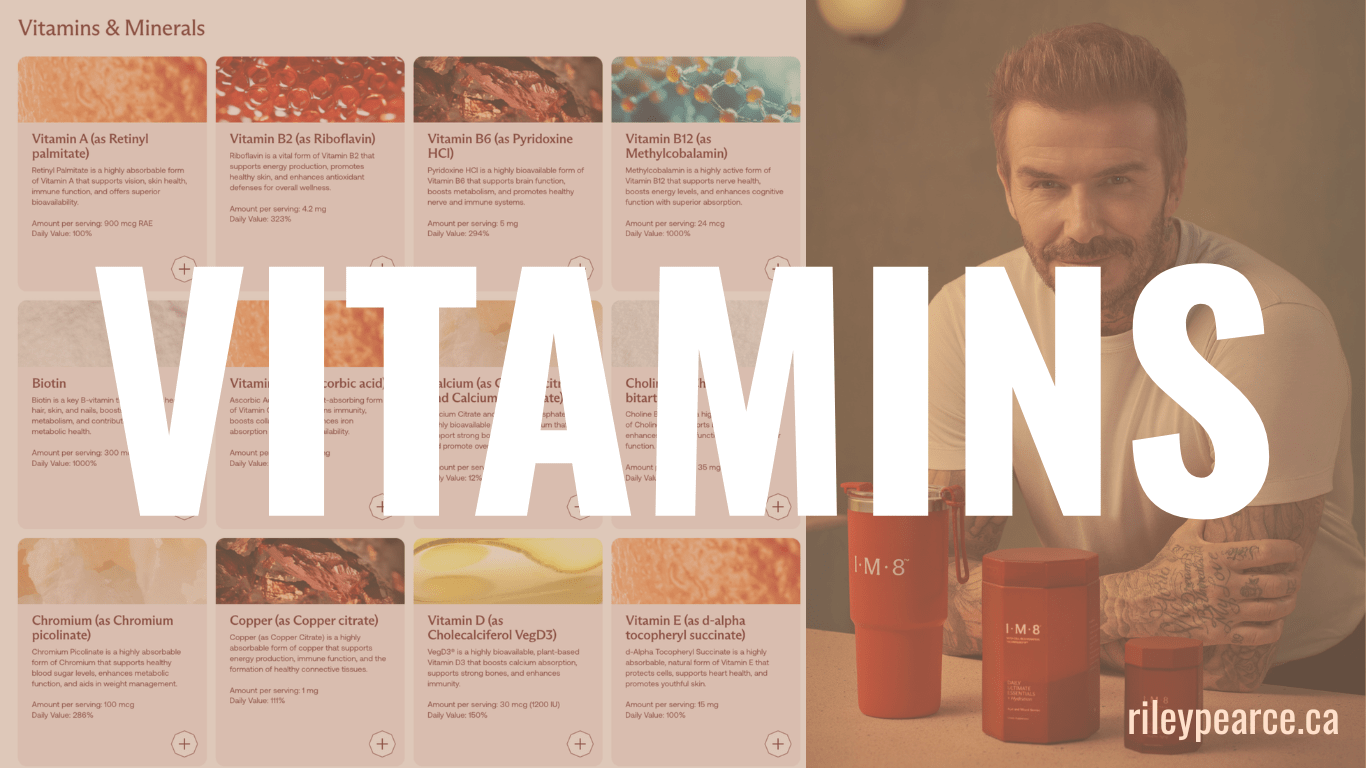
- Increased Metabolic Demand: In some instances, the presence of these synthetic hormones can accelerate the rate at which the body uses certain nutrients. This leads to increased metabolic demands that may not be adequately met through dietary intake alone. Which is why I have been such a fan of IM8’s Daily Ultimate Essentials supplement, but more on that later.
- Reduced Absorption: Hormonal changes can diminish the efficiency of nutrient absorption. Estrogen, for example, plays a role in bile production, which is crucial for the absorption of fat-soluble vitamins like Vitamin E. If hormonal levels are disrupted, this absorption process can suffer.
- Gastrointestinal Changes: The pill can also cause mild changes to your digestive system, such as shifts in gut motility or slight discomfort. Although these changes may seem minor, they can nonetheless affect the efficiency of vitamin and mineral absorption from food. Some research even suggests a connection between birth control use and inflammatory bowel diseases, potentially leading to a compromised intestinal barrier and further malabsorption. This broader impact on gut health suggests that symptoms often attributed solely to “hormonal imbalance” or general “side effects of the pill” might actually be manifestations of underlying nutritional deficiencies.
- Increased Excretion: In certain cases, the pill may accelerate the excretion of specific nutrients through urine, further contributing to depleted amounts of those nutrients in the body.
- Long-term Cumulative Effects: Given that the contraceptive pill is often taken for extended periods, even subtle effects on nutrient levels can accumulate over time. This prolonged influence can eventually lead to more noticeable deficiencies and associated health concerns.
It is definitely cause for concern, but for some of us, being on the pill is necessary to give us the freedom to live our lives the way we would like to, or to support medical conditions such as PCOS and endometriosis.
Which is why I would now like to speak about exactly which nutrients are impacted by taking the pill, so that you can start thinking about what steps should be taken to help re-supply the body with those nutrients.
Key Nutrients That May Be Affected by Oral Contraceptives
While individual responses to the pill, or OCPs, can vary, a substantial body of research indicates that several key vitamins and minerals may be less efficiently absorbed or used while taking the pill. Understanding the specific roles of these nutrients and the potential impacts of their depletion will help you take that first step toward proactive health management.
A. Magnesium
Magnesium is a vital mineral, contributing to over 300 enzymatic reactions throughout the body. It plays a critical role in the synthesis of DNA and RNA, the formation of bones and teeth, and the conversion of food into usable energy. Beyond these foundational roles, magnesium is essential for regulating blood pressure and blood sugar, supporting healthy nerve and muscle function, and maintaining a steady heartbeat. It also contributes significantly to stress management and promotes relaxation.
Research consistently indicates that OCPs can deplete the body’s magnesium stores. The synthetic estrogen present in OCPs is believed to increase the uptake and utilization of magnesium from soft tissues and bone. This hormonal interference may reduce the overall availability of magnesium in the body.
The direct hormonal influence on magnesium metabolism, where synthetic estrogen actively pulls magnesium from its stores or increases its turnover, highlights a specific pathway of depletion. The altered calcium-to-magnesium ratio resulting from this depletion is also thought to partially contribute to the increased risk of blood clots associated with taking the pill.
Low magnesium levels can manifest in various ways, including loss of appetite, muscle cramps or twitching, generalized weakness, fatigue, and nausea. Other common symptoms include irritability, sleep disturbances, poor memory, neck pain, and constipation.
Chronically low magnesium levels can contribute to more severe health issues, such as heart rhythm problems. Given magnesium’s involvement in over 300 enzyme reactions, its widespread depletion by the contraceptive pill implies a broad impact on how efficient your metabolism is.
The diverse range of symptoms observed in magnesium deficiency—from fatigue and muscle issues to mood disturbances and heart rhythm irregularities—are not isolated occurrences but rather reflect just how far magensium depletion reaches in terms of cellular function across multiple systems in the body.
This connection helps explain why individuals experiencing post-birth control syndrome often report symptoms like fatigue and muscle cramps, suggesting that these are not merely withdrawal symptoms but potentially the surfacing of chronic, OCP-induced nutritional deficits.
B. B Vitamins (Folic Acid/B9, B2, B6, B12)
The B vitamins are a group of water-soluble vitamins that are indispensable for numerous bodily functions, including energy production, cellular metabolism, and the healthy functioning of the nervous system. They often operate synergistically, meaning that a deficiency in one B vitamin can potentially impair the function of others. This is why I was so thrilled to see IM8’s daily supplement cover all of the B vitamins in one supplement. No more taking giant horse pills to get my B vitamins.
Vitamin B2 (Riboflavin)
Riboflavin is crucial for the metabolism of macronutrients—carbohydrates, fats, and proteins—by acting as a cofactor in redox reactions through its coenzymes. It plays a central role in the electron transport chain (hello high school biology!), which is vital for energy production, and functions as an antioxidant. Additionally, riboflavin is involved in the production of red blood cells and contributes to maintaining healthy skin and hair.
There have been many studies that show a correlation between taking the contraceptive pill and a decrease in vitamin B2 levels. Some sources suggest that the body may not absorb riboflavin efficiently when on OCPs. Studies dating back to the 1970s indicate that OCPs can exacerbate the risk of B2 deficiency.
However, it is important to note that one study concluded that when dietary intake is carefully controlled, OCPs do not significantly influence riboflavin status. This suggests that adequate dietary intake might mitigate the impact of the pill on riboflavin levels, or that the effect is more subtle and less direct compared to other B vitamins.
Potential health impacts of riboflavin deficiency include cracks around the mouth, dry and scaly skin, and red, itchy eyes. More broadly, a deficiency can lead to fatigue, a swollen throat, blurred vision, depression, skin cracks, itching, dermatitis, liver degeneration, hair loss, and reproductive issues. It can also interfere with iron absorption and contribute to anemia.
Vitamin B6 (Pyridoxine)
Vitamin B6 is incredibly important for immune function, the production of red blood cells, and healthy brain development. It participates in over 100 enzymatic reactions, facilitating the efficient breakdown of proteins, fats, and carbohydrates. B6 also assists in the production of neurotransmitters, such as serotonin, which are essential for mood regulation.
The synthetic estrogen and progestins in OCPs are known to alter the metabolism and function of Vitamin B6. They impair an important pathway for serotonin production, which can directly affect mood. Furthermore, some OCPs with higher estrogen levels can interact with insulin through a complex biochemical pathway, potentially impairing glucose tolerance.
Historical studies from the 1960s consistently showed evidence of B6 deficiency in OCP users, a finding reinforced by a more recent large-scale US study indicating significantly reduced B6 intake in 75% of women on the pill. The direct interference with serotonin production pathways underscores how OCPs can contribute to mood changes, which are often reported by users.
Symptoms of B6 deficiency can include cracked corners of the mouth, a swollen or sore tongue, mood changes, irritability, weakened immunity, and chronic fatigue. Low B6 levels are also associated with a heightened risk for thromboembolism, or blood clots. Deficiencies can further contribute to anemia and a general low mood. The connection between B6 depletion and the risk of blood clots or mood disturbances highlights how these seemingly disparate symptoms can stem from a common nutritional root, emphasizing the systemic impact of OCPs.
Vitamin B9 (Folic Acid/Folate)
Folate, also known as Vitamin B9, is indispensable for tissue growth, protein metabolism, and the creation of DNA. It plays a crucial role in the formation of red blood cells and supports overall cellular function and division. For women of reproductive age, folate is particularly critical for fetal development during pregnancy, especially for neural tube development.
OCPs, especially those containing higher estrogen levels, have been shown to negatively impact folate metabolism and tend to deplete folic acid. Researchers propose that this depletion may result from malabsorption, increased urinary excretion, and accelerated folate metabolism.
Studies dating back to the 1960s have consistently shown poorer folate status in women taking the pill. The mechanism of accelerated metabolism and increased excretion means that even with adequate dietary intake, the body’s ability to maintain sufficient folate levels is compromised, making supplementation particularly important for those planning pregnancy.
Low folate levels can manifest as headaches, shortness of breath, fatigue, irritability, or a sore tongue. Severe deficiency can lead to anemia and other serious complications. For women contemplating pregnancy, it is critically important to replete folate levels, as it can take approximately 3 months for levels to return to normal after discontinuing OCPs. This emphasizes the need for proactive nutritional planning when transitioning off hormonal contraception.
Vitamin B12
Vitamin B12 is another critical nutrient for cell division and repair, plays an essential role in the metabolism of homocysteine, and is vital for maintaining healthy brain function. It is also a key player in the formation of red blood cells and DNA synthesis.
Decades of evidence indicates that the pill can cause a biochemical deficiency of vitamin B12. Studies have consistently shown that young women taking the pill have significantly lower serum B12 concentrations compared to those who do not use OCPs. The mechanism of depletion may be similar to the disturbance observed in folate metabolism. The impact on B12, a vitamin crucial for neurological health and blood formation, means that its depletion can have far-reaching effects on systemic well-being.
Untreated B12 deficiency can lead to severe neurological problems and blood diseases, including anemia. Other symptoms include fatigue, loss of appetite, confusion, memory loss, and easy bruising. The potential for severe neurological and hematological complications underscores the importance of monitoring B12 levels in OCP users, especially given the long-term nature of contraceptive use for many individuals.
C. Antioxidant Vitamins (C & E) & Coenzyme Q10
Antioxidants are crucial for protecting the body’s cells from damage caused by free radicals, which are unstable molecules linked to various chronic diseases. OCP use can influence the body’s antioxidant status, affecting key protective nutrients.
Vitamin C
Vitamin C is essential for the synthesis of collagen, a vital protein for skin, connective tissues, and wound healing. It also plays a role in carnitine production and acts as a powerful antioxidant against free radicals in the body, supporting overall immune function.
The estrogen component in OCPs has been shown to increase the rate of vitamin C metabolism, leading to increased loss through urine. Additionally, OCPs may alter tissue uptake patterns of the vitamin. Some research suggests that taking oral birth control pills can increase oxidative stress, which may further deplete antioxidant reserves like Vitamin C.
Symptoms of vitamin C depletion can include bleeding gums, impaired wound healing, muscular weakness, and loss of appetite. While severe vitamin C deficiency (scurvy) is rare with a healthy diet, even subtle reductions can impact the body’s ability to repair tissues and defend against oxidative damage.
Vitamin E (Alpha-Tocopherol)
Vitamin E is a potent fat-soluble antioxidant that protects cell membranes from oxidative damage. It supports wound healing, plays a role in blood clotting, and contributes to heart health.
OCP use is associated with decreased plasma Vitamin E levels. The impact of OCPs on estrogen’s influence on bile production can particularly affect fat-soluble vitamins like Vitamin E, as bile is crucial for their absorption.
Potential health impacts of Vitamin E deficiency include easy bruising, nosebleeds, heavy periods, and prolonged bleeding times. Decreased Vitamin E levels are also linked to platelet clotting hyperactivity. Some researchers hypothesize that lowered Vitamin E levels could contribute to the adverse cardiovascular side effects associated with oral contraceptives. Chronic deficiency may increase the risk of tissue damage. This connection between Vitamin E depletion and cardiovascular concerns highlights a significant potential long-term health implication of OCP use.
Coenzyme Q10 (CoQ10)
Coenzyme Q10 (CoQ10) is a compound naturally produced by the body, crucial for generating energy within cells by creating adenosine triphosphate (ATP). It also functions as a powerful antioxidant, protecting cells against oxidative stress.
Studies have found significantly lower levels of CoQ10 in women using various forms of birth control compared to non-users, and this is associated with a lower total antioxidant capacity in the body. The use of OCPs may contribute to increased oxidative stress, which could further impact CoQ10 levels. While no direct drug interaction mechanism has been identified for CoQ10 and OCPs in some sources, the observed lower levels and reduced antioxidant capacity suggest an indirect effect, possibly through increased metabolic demand or oxidative stress.
Deficiency in CoQ10 can manifest as fatigue and headaches. More broadly, CoQ10 plays a role in various physiological processes, and its depletion may impact heart conditions, fertility, insulin sensitivity, and neurological health. The reduction in overall antioxidant capacity observed in OCP users, partly due to lower CoQ10, suggests a compromised defense against cellular damage, which has far-reaching implications for long-term health and disease prevention.
D. Other Essential Minerals (Selenium & Zinc)
Minerals are fundamental for countless bodily functions, from immune defense to cellular repair and hormone regulation. OCP use has been linked to altered levels of several key minerals.
Selenium
Selenium is an essential trace mineral that boosts immune function, helps to build DNA, and protects cells from damage due to its antioxidant properties. It is also vital for regulating thyroid hormones and supports reproductive health.
OCP use is consistently associated with decreased selenium blood levels. Research suggests that OCPs may interfere with selenium absorption.
Low selenium levels can lead to symptoms such as confusion, depression, thyroid dysfunction, weakened immune function, and muscle pain. Given selenium’s critical role in thyroid hormone conversion, its depletion can significantly impact metabolic rate and energy levels, contributing to symptoms often experienced by women on the pill.
Zinc
Zinc is a crucial mineral that boosts immune function, is essential for building DNA and proteins, and promotes wound healing. It protects cells from damage and supports growth, along with maintaining the senses of taste and smell.
OCPs can alter zinc metabolism, leading to changes in its absorption, excretion, or tissue turnover. Studies have shown a significant decrease in serum zinc levels in OCP users. This suggests that the body’s demand for zinc may be greater in women using OCPs.
Potential deficiency symptoms include diarrhea, appetite loss, slow wound healing, skin rashes, or sores. Impaired senses of smell and taste, low mood, and joint pain can also occur. Chronically low zinc levels weaken immunity and may increase the risk of infections.3 The widespread impact of zinc on immune function and cellular repair means its depletion can broadly compromise the body’s ability to maintain health.
E. Phosphorus
Phosphorus is an abundant mineral in the body, playing a crucial role in building and protecting bones and teeth. It is also essential for filtering waste from the kidneys and supporting the proper function of muscles, nerves, and the heart. Additionally, phosphorus helps create DNA and RNA and contributes significantly to energy production. It works in conjunction with calcium and vitamin D to maintain skeletal health and assists in breaking down nutrients for energy.
Research indicates that serum phosphorus levels are significantly reduced in women using oral contraceptives, with levels nearly half of those in non-users. This depletion may be linked to the development of secondary hyperparathyroidism, where the inhibitory effect of estrogen on calcium and Vitamin D mobilization leads to a substantial excretion of phosphate through urine. This suggests a complex interplay between the synthetic hormones in OCPs and the body’s mineral regulatory systems.
Low phosphorus can result in symptoms such as bone pain and muscle weakness. It may also cause irritability, mood shifts, and loss of appetite. In severe cases, phosphorus deficiency can contribute to anemia. The impact on bone health and energy production highlights the foundational importance of this mineral and the potential systemic consequences of its depletion.
As I’ve mentioned in the opening section, IM8’s daily supplement can help support all of these nutrient deficiencies so you feel more confident that your body has enough of what it needs.
However, some women turn to pre-natal vitamins as a way to increase levels of these depleted nutrients. Pre-natal vitamins are designed to give the body a higher dose of the nutrients required to support a healthy reproductive system, so if you are low on these nutrients due to the pill, you can counteract that with pre-natal vitamins. Most of the evidence for this is anecdotal, so I’ve provided further recommendations in the section below.
Conclusion and Recommendations
What we do know is that the pill has offered women the freedom to take back control of their reproductive system, opening up more opportunities to pursue lifestyles that were otherwise interrupted by unplanned pregnancies. The pill has been great for that, but we now also know/are learning about how the pill is impacting our bodies on a deeper level.
The depletion of key nutrients like magnesium, B vitamins (B2, B6, B9, B12), Vitamins C and E, selenium, zinc, and phosphorus can contribute to a range of symptoms and health concerns, some of which may be mistakenly attributed solely to hormonal imbalances or general side effects of the pill.
However, all is not lost. For those of you currently using or considering oral contraceptives, an informed approach to this decision can make all the difference. It is recommended to:
- Consult a Healthcare Provider: Discuss any concerns about nutrient deficiencies with a healthcare professional. They can provide personalized advice based on individual health history and OCP formulation.
- Consider Nutrient Testing: Routine health checkups and specific blood tests, such as a comprehensive nutrient deficiency panel, can be crucial for early detection of imbalances before symptoms escalate. This allows for targeted interventions.
- Prioritize a Balanced Diet: Focus on consuming a nutrient-dense diet rich in whole foods. While diet is foundational, it may not always be sufficient to counteract the altered nutrient dynamics caused by OCPs.
- Explore Targeted Supplementation: Based on professional guidance and test results, consider targeted supplementation with the nutrients identified as potentially depleted. A general approach might include a B-complex vitamin, folic acid, vitamins C and E, and minerals such as magnesium, selenium, and zinc. As I mentioned, IM8’s daily essentials supplement is a great option.
- Address Lifestyle Factors: Support overall nutrient status and well-being through lifestyle practices such as stress management, hydration, and limiting drinking and smoking.
By understanding the complex interplay between oral contraceptives and nutrient status, individuals can make more empowered decisions to support their long-term health and mitigate potential nutritional challenges, fostering a more holistic approach to well-being.

 Riley Pearce
One thought on “On the Contraceptive Pill? You May be Missing Out On Key Nutrients”